Introduction to Phishing
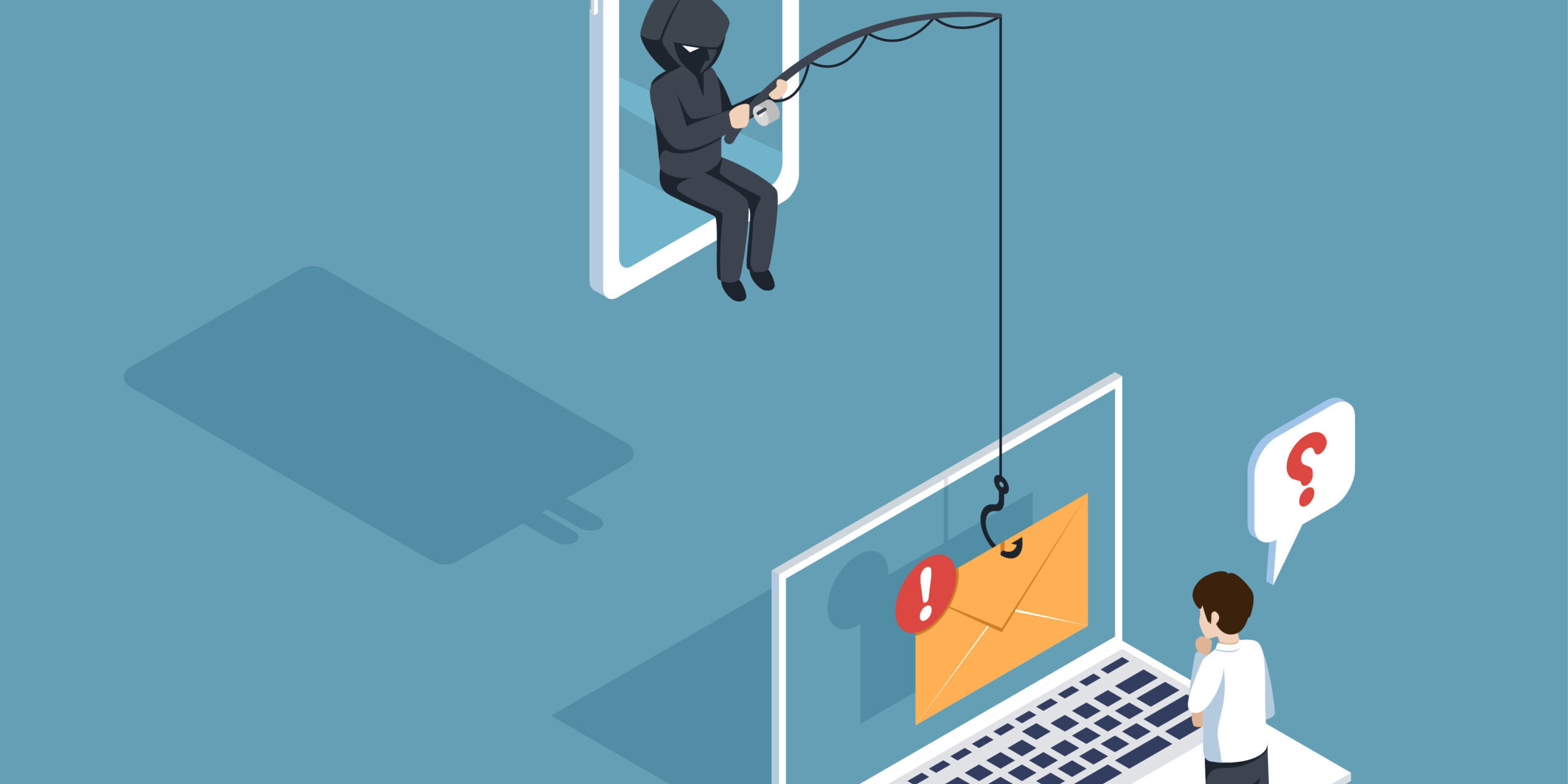
Phishing is a form of cybercrime that involves tricking individuals into providing sensitive information such as passwords, credit card numbers, or personal identification. This topic has gained immense relevance in today’s digital age, where the reliance on online services has increased significantly. As more people engage in online banking, shopping, and communication, the threat of phishing attacks continues to rise, making it critical for users to recognise and defend against these scams.
How Phishing Works
Phishing typically occurs through deceptive emails, messages, or websites that appear legitimate. Attackers often impersonate trusted entities, such as banks, government agencies, or well-known companies. A common tactic is to send an email that seems to come from a trusted source, prompting the recipient to click on a link or download an attachment. Once the user interacts with the content, they may be directed to a fraudulent website designed to collect their personal information.
There are several types of phishing techniques, including:
- Email Phishing: The most widespread method where attackers lure victims through fraudulent emails.
- Spear Phishing: A targeted form of phishing that focuses on specific individuals, often using personal information to increase credibility.
- Whaling: A type of spear phishing directed at high-profile targets like executives or key decision-makers.
- Smishing and Vishing: Phishing attacks that occur via SMS (smishing) or voice calls (vishing).
Real-World Incidents
Recent studies indicate that phishing attacks are becoming more sophisticated. According to the Anti-Phishing Working Group (APWG), there was a notable increase in phishing incidents, with reports reaching an all-time high in 2023. Cybersecurity experts warn that with advancements in technology, such as artificial intelligence, attackers are now able to craft more convincing phishing scams, making it essential for users to remain vigilant.
Protective Measures Against Phishing
To safeguard against phishing attacks, individuals and organisations should adopt various strategies:
- Verify URLs: Always check the domain name in URLs for any discrepancies.
- Enable Two-Factor Authentication: This extra layer of security can prevent unauthorised access even if credentials are compromised.
- Educate Users: Regular training on recognising phishing attempts can significantly reduce the risk of falling victim.
- Use Security Software: Employing antivirus and anti-malware programs can help identify phishing attempts before they reach the user.
Conclusion
Phishing remains a critical issue in the realm of cybersecurity, impacting individuals and businesses alike. Understanding how phishing works and being equipped with the right knowledge and tools can significantly mitigate the risks associated with these scams. As technology continues to evolve, users should stay informed and proactive in protecting their digital identities.