Introduction to Lunar New Year Animals
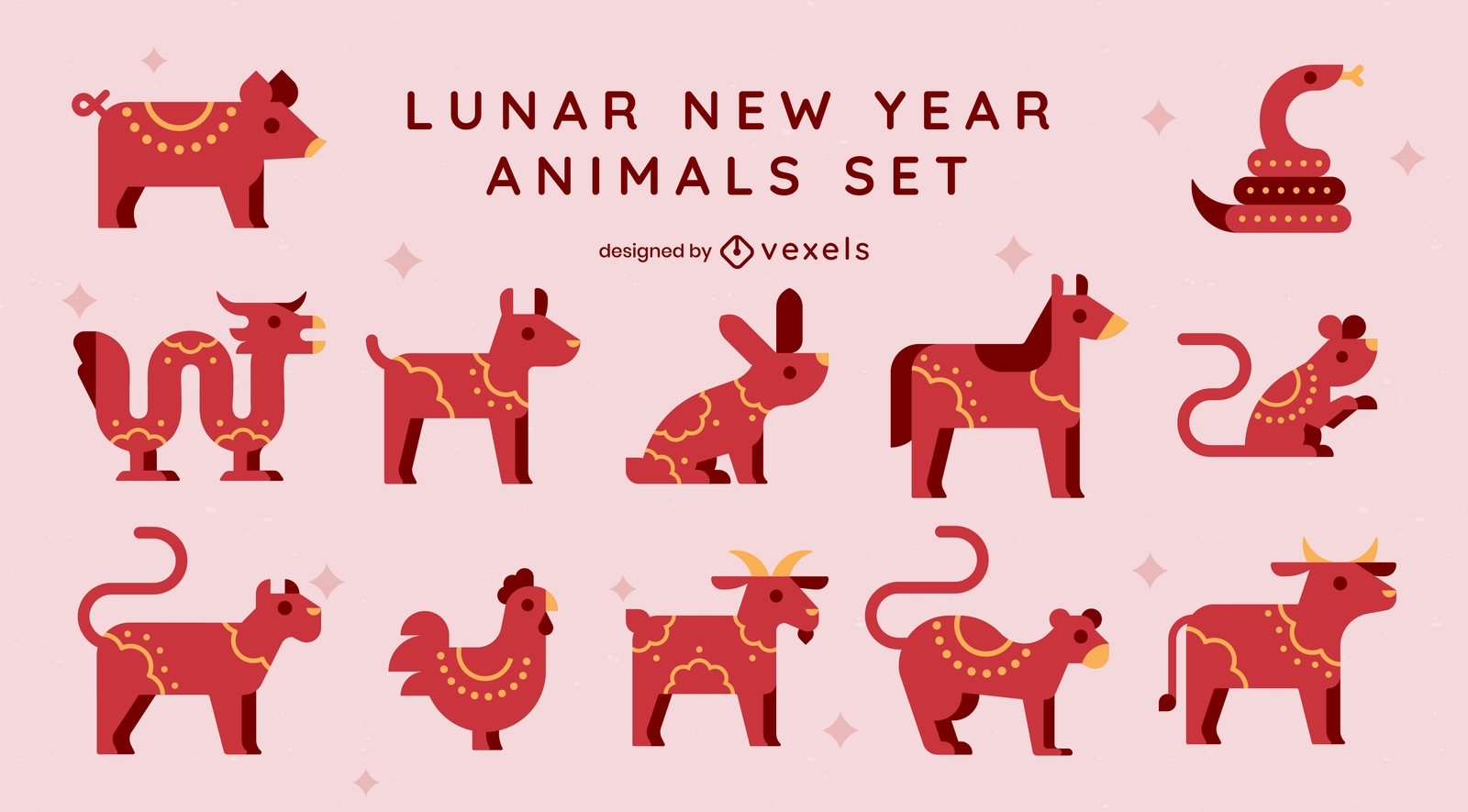
The Lunar New Year, celebrated by millions across the globe, is marked not only by festive gatherings and delicious food but also by the representation of twelve distinct animals from the Chinese zodiac. Each animal adds unique cultural significance to the festivities, influencing individual fortunes, personality traits, and even societal events throughout the year. Understanding these animals enhances one’s appreciation of diverse customs and traditions associated with this vibrant celebration.
The Twelve Animals of the Chinese Zodiac
Each year in the lunar calendar is associated with a specific animal which is said to influence the fortunes of individuals born in that year. The twelve animals include the Rat, Ox, Tiger, Rabbit, Dragon, Snake, Horse, Goat, Monkey, Rooster, Dog, and Pig. The cycle repeats every twelve years, creating a framework that connects generations of people to their cultural heritage. For example, the year 2023 is the Year of the Rabbit, symbolising peace, prosperity, and sensitivity, traits commonly associated with this animal.
Cultural Significance and Celebrations
In various cultures, these zodiac animals play a pivotal role in New Year celebrations. For instance, in China, families engage in rituals such as cleaning their homes to ward off bad luck and decorating with red symbols, which represent good fortune. Special dishes are prepared, each with its meaning—dumplings shaped like ancient coins for prosperity, and fish for surplus and abundance. Moreover, many people wear clothing that corresponds to the zodiac animal of the year to attract positive energy.
Global Celebrations and Traditions
While the zodiac system originates from China, numerous Asia-Pacific nations—including Vietnam and Korea—have incorporated similar zodiac animals into their New Year festivities, albeit with slight variations. In Vietnam, for example, the Year of the Cat is celebrated instead of the Rabbit. These shared symbols reflect a harmonious blend of cultural identities that often unify various communities during this festival.
Conclusion
The lunar new year animals not only enrich the celebrations with their individual meanings and traits but also foster a sense of togetherness among cultures. As global celebrations continue to thrive, the significance of these animals in promoting cultural heritage will likely endure, reminding us of our shared values and beliefs. Understanding these traditions can enhance our appreciation of the larger tapestry of human celebration and social connection. Individuals may also find personal reflection through their zodiac animal, guiding them through the year ahead.