Introduction
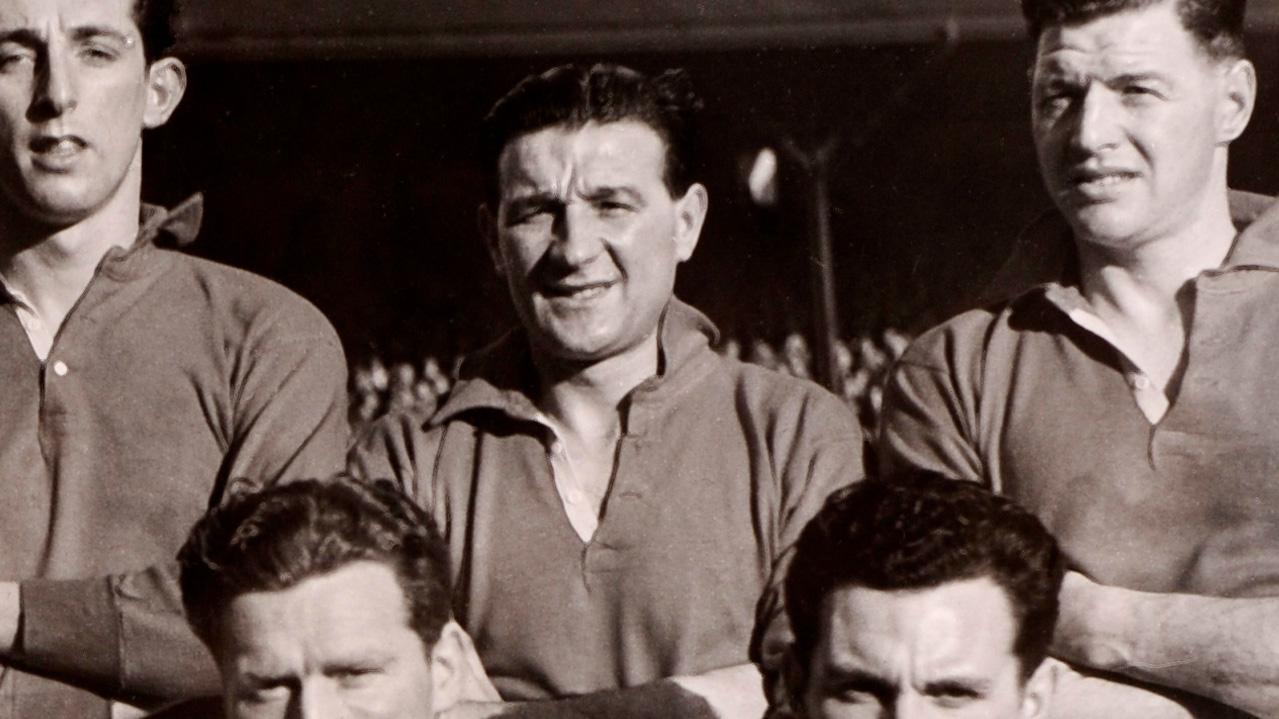
Bob Paisley remains an iconic figure in the history of Liverpool Football Club and English football. His strategic mind and leadership played a crucial role in establishing Liverpool as one of the dominant clubs in the world during the 1970s and early 1980s. Understanding Paisley’s impact is vital for fans and sports historians alike, as his methods and achievements continue to inspire coaches and players today.
Achievements and Leadership
Taking over the managerial role from Bill Shankly in 1974, Paisley built upon the foundations laid by his predecessor. Under his guidance, Liverpool won six league titles and three European Cups, achievements that etch his name into football lore. Notably, he became the first manager to win three European Cups, a feat that highlighted his exceptional capabilities in European competition.
Paisley’s success was not just about wins; it was about how he developed players and fostered a winning mentality. Players like Kevin Keegan, Kenny Dalglish, and Ian Rush flourished under his management, showcasing his ability to cultivate talent and understand the game’s nuances. His emphasis on teamwork and tactical flexibility allowed Liverpool to adapt and overcome opponents, setting a blueprint that many teams still strive to emulate.
Paisley’s Legacy
Even after his retirement from managerial duties in 1983, Paisley’s influence continued to shape the ethos of Liverpool FC. His approach to management and the values he instilled in the club are seen as integral to the identity of Liverpool today. Fans still remember him not just for the trophies but for his humility and dedication to the club.
Paisley was also heralded for his commitment to the community and his personal touch with supporters. He was a manager who appreciated the club’s rich history while innovating for the future, and that balance secured him a revered status among both players and fans.
Conclusion
Bob Paisley passed away in 1996, but his legacy endures in the hearts of Liverpool supporters and is celebrated each season. As Liverpool continues to compete at the highest levels, understanding Paisley’s contributions offers insights into the club’s enduring success. His story is a reminder that great leadership, innovation, and a deep connection to a club’s traditions can forge a legacy that lasts generations. Looking forward, clubs across the globe can learn from Paisley’s methods, ensuring that his impact on football remains relevant for years to come.