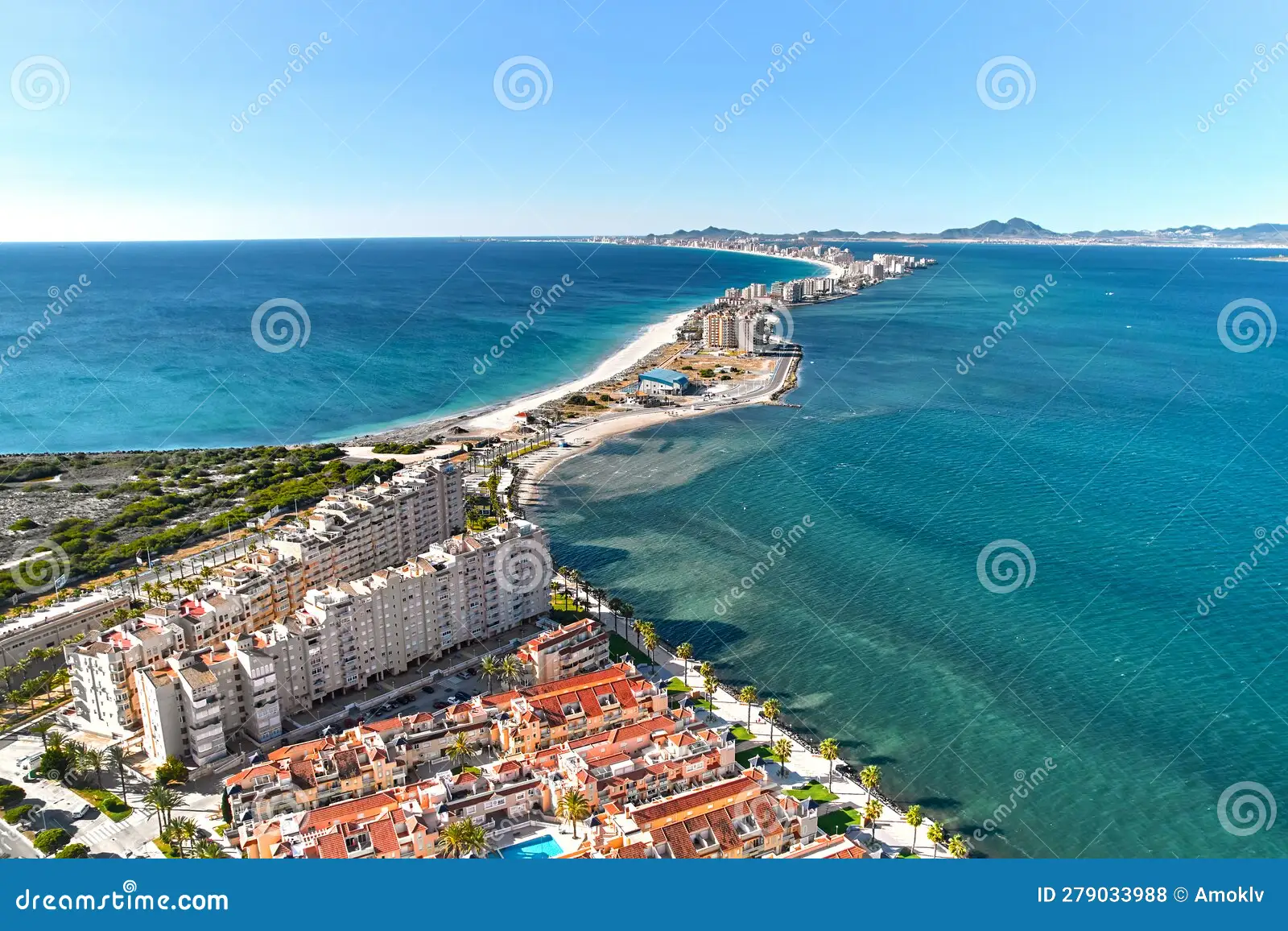
Introduction to Mar Menor
Mar Menor, located in the Murcia region of Spain, is the largest saltwater lagoon in Europe and is famed for its unique biodiversity and recreational opportunities. The lagoon has been a prominent feature of the local landscape and economy for centuries, serving as a crucial habitat for various marine species and a popular destination for both tourists and locals. Its ecological health has become a focal point in recent environmental discussions, highlighting the importance of preserving this natural gem.
Current Challenges Facing Mar Menor
In recent years, Mar Menor has faced significant environmental challenges. Urban development, agricultural runoff, and climate change have severely impacted its delicate ecosystem. The lagoon has suffered from increased nutrient levels, leading to harmful algal blooms that degrade water quality and threaten marine life. In 2021, reports indicated that over 70% of the lagoon’s sea grass had disappeared, a critical habitat for many species.
In response to these pressing issues, local governments and environmental organisations have rallied to develop action plans aimed at revitalising the lagoon. Key measures include stricter regulations on agricultural practices in the surrounding areas, sewage management improvements, and initiatives promoting sustainable tourism.
Conservation Efforts and Community Involvement
Recently, efforts have intensified with the launch of various environmental campaigns aimed at raising awareness among locals and tourists alike. Non-profit organisations are collaborating with local authorities to implement eco-friendly practices and educational programs focused on environmental conservation.
Community involvement has been crucial for the success of these initiatives. Beach clean-up events and citizen science projects have engaged volunteers in data collection, helping to monitor the lagoon’s health while fostering a greater understanding of its ecological importance.
Conclusion: The Future of Mar Menor
The future of Mar Menor rests on the combined efforts of government, local communities, and environmental stakeholders. With ongoing monitoring and proactive management strategies, there is hope for the lagoon’s recovery. As awareness grows regarding the impacts of human activity on natural ecosystems, Mar Menor can serve as a model for effective conservation efforts.
For visitors and locals, understanding the challenges faced by Mar Menor is essential to ensuring its preservation for generations to come. Continued education, investment in sustainable practices, and community involvement are pivotal for protecting this unique coastal lagoon and its rich biodiversity.