Introduction
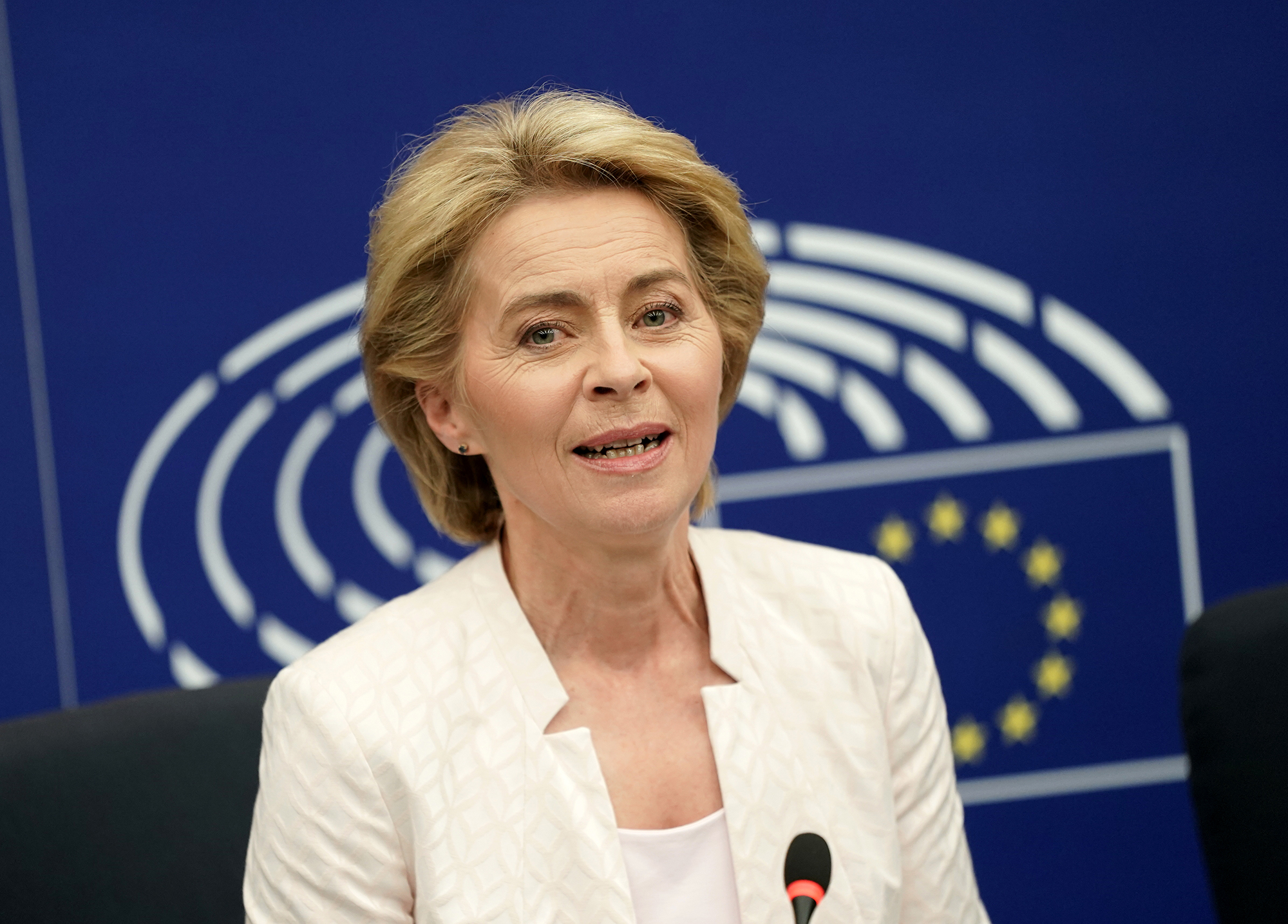
Ursula von der Leyen has been a prominent figure in European politics since her appointment as President of the European Commission in December 2019. As the first female to hold this position, her leadership has not only symbolised a step forward for gender equality in governance but has also put her at the forefront of many critical issues, including climate change, digital transformation, and foreign relations. Understanding her role and the directions she’s taken are essential for grasping the current landscape of the European Union (EU) and its future.
Key Initiatives and Actions
Under von der Leyen’s leadership, the EU has embarked on several significant initiatives. One of her notable achievements is the European Green Deal, a landmark initiative aimed at making Europe the first climate-neutral continent by 2050. The proposal includes concrete actions such as reducing emissions, promoting sustainable industry, and conserving biodiversity. This ambitious agenda reflects her vision of a greener and more sustainable Europe and has garnered widespread attention across the globe.
In addition to the Green Deal, von der Leyen has positioned the EU as a key player in the digital realm. She has promoted the Digital Services Act and the Digital Markets Act, which aim to create a safer digital environment, ensuring that online platforms operate fairly, and curbing the power of tech giants. These legislative efforts underline the urgency of regulating digital spaces and protecting citizens in an increasingly digitised world.
Foreign Relations and Global Standing
Von der Leyen has navigated complex international relations as well, particularly in the context of the COVID-19 pandemic. Under her guidance, the EU was able to procure vaccines collectively, showcasing unity among member states while also improving the EU’s global standing. Furthermore, her efforts in addressing relations with significant global powers, such as the United States and China, speak to her capacity to manage intricate diplomatic challenges. Recently, her strong stance against Russia regarding the invasion of Ukraine has underlined her commitment to European security and solidarity.
Conclusion
Ursula von der Leyen’s tenure as President of the European Commission is marked by ambitious initiatives and a strong focus on climate, digital innovation, and global diplomacy. Her leadership style and decisive actions are crucial in shaping the EU’s future. As Europe faces ongoing challenges, including geopolitical tensions, economic recovery post-pandemic, and climate change adaptation, von der Leyen’s role will continue to be vital in guiding the union towards resilience and progress. For citizens and stakeholders, her policies will have a direct impact on various aspects of daily life and the collective future of Europe.