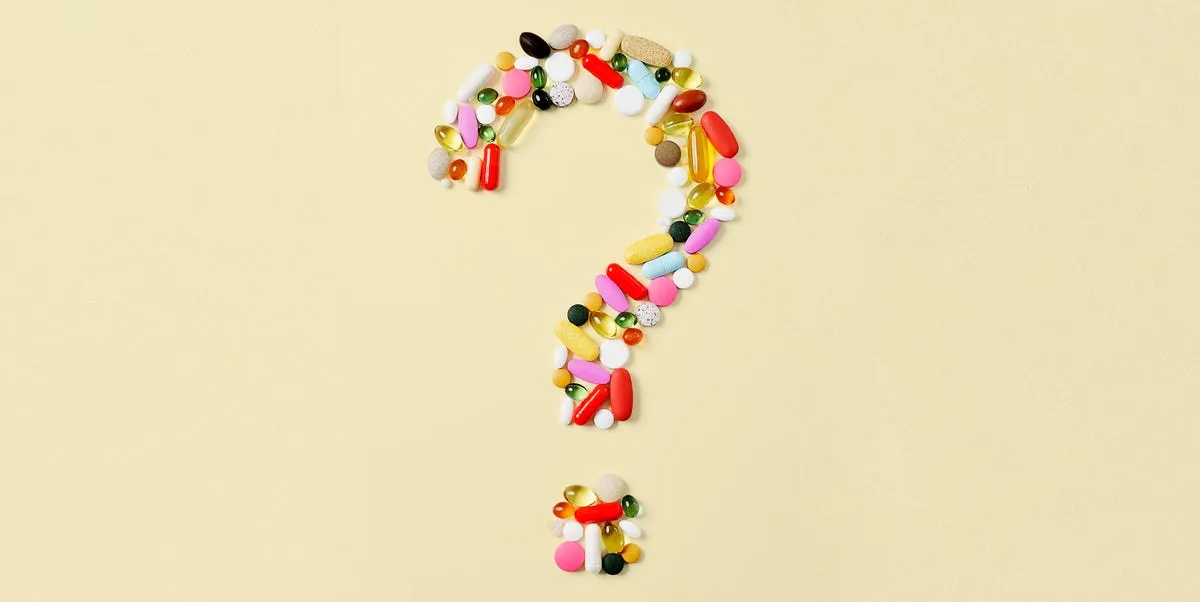
Impact of Multivitamins on Biological Aging
A recent study has revealed that taking a daily multivitamin for two years might slow some markers of biological aging. This finding is particularly significant for older adults, as it suggests a potential avenue for promoting healthier aging.
The study involved over 900 healthy participants, with an average age of about 70. Participants were divided into four groups: those receiving a multivitamin combined with cocoa extract, those taking cocoa extract with a placebo, those on a multivitamin with a placebo, and a group receiving two placebos.
Results indicated that those who took a daily multivitamin exhibited a slowdown in biological aging for two of five epigenetic clocks, equating to roughly four months less biological aging over the study’s duration. However, experts caution that several large trials have previously failed to demonstrate meaningful mortality reduction from standard multivitamin supplementation in well-nourished populations.
The study was published in the journal Nature Medicine and received a grant from Mars Edge, which included the donation of multivitamins for the research. Despite these findings, experts remain skeptical about the overall benefits of multivitamins.
Dr. Dorsa Jalaei stated, “The honest answer, supported by the weight of current evidence, is, for most healthy adults eating a reasonably varied diet, no.” Similarly, Professor Pilar Guallar Castillón advised, “My personal advice is to stop taking multivitamins, whether in pill or gummy form.” This skepticism is rooted in the belief that a healthy, varied diet rich in fruits and vegetables may be more beneficial than supplementation.
Interestingly, 41 percent of people who take supplements opt for multivitamins, according to research from the Food Standards Agency. This statistic highlights the popularity of multivitamins among the general public, despite the mixed evidence regarding their efficacy.
Dr. Howard Sesso, one of the study’s researchers, noted, “This study opens the door to learning more about accessible, safe interventions that contribute to healthier, higher-quality ageing.” However, Professor Luigi Fontana pointed out that “the magnitude of the effect is extremely small, and the effect was not consistent across all the ageing measures tested.”
Details remain unconfirmed regarding the long-term effects of multivitamin supplementation on biological aging. The findings of this study are not consistent across all aging measures tested, indicating that further research is necessary to fully understand the implications of multivitamin use.