Recent Arrest Highlights Smuggling Trend
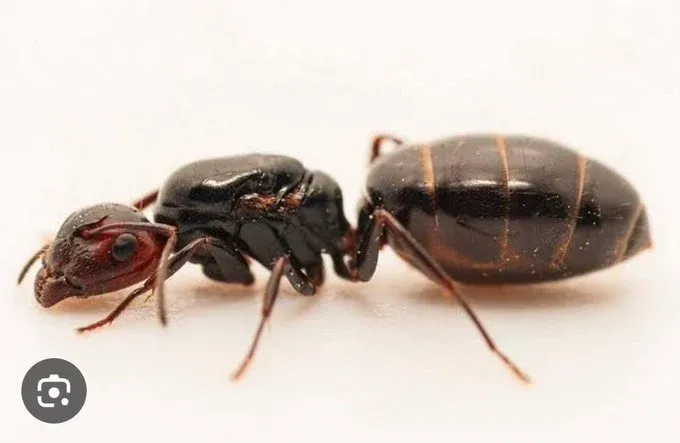
On a day marked by heightened security at Jomo Kenyatta International Airport in Nairobi, authorities made a significant arrest that would shed light on a troubling trend in wildlife smuggling. Zhang Kequn, a Chinese national, was apprehended while attempting to smuggle a staggering 2,238 live garden ants, including a notable number of queen ants, in his luggage.
Upon inspection, customs officials discovered that 1,948 of these ants were meticulously packed in test tubes, while an additional 300 were concealed within tissue paper. This incident is part of a broader investigation by the Kenya Wildlife Service (KWS) into the illicit trade of insects, which has been gaining traction among collectors and enthusiasts in Europe and Asia.
Background of Insect Smuggling
The smuggling of insects, particularly queen ants, has seen a marked increase in recent years, indicating a shift in biopiracy trends from larger, iconic mammals to smaller, yet ecologically significant species. Last year, four individuals were sentenced to one year in prison or fined $7,700 for their involvement in a similar smuggling attempt involving thousands of live queen ants. The KWS described this ruling as a ‘landmark case’ in the fight against wildlife crime.
Among the ants seized last year were giant African harvester ants, which are ecologically important and highly sought after. The average value of each of these ants is approximately £175 ($233), making them a lucrative target for smugglers. The growing demand for these insects in international markets has fueled a rise in smuggling activities, as evidenced by Zhang’s recent arrest.
Details of the Investigation
Interestingly, Zhang had previously evaded arrest in Kenya last year and had a ‘stop order’ placed on his passport, indicating a history of involvement in similar activities. The KWS is currently investigating his case as part of a larger probe into insect smuggling, which has become a lucrative but illicit business.
On the same day as Zhang’s arrest, authorities in Bangkok seized a similar shipment of ants originating from Kenya, further underscoring the international dimensions of this smuggling network. The case signals a landmark shift in biopiracy trends, as the focus moves from larger mammals to lesser-known species that are no less ecologically critical.
Implications for Wildlife Conservation
The implications of these smuggling attempts are significant for wildlife conservation efforts in Kenya and beyond. As the demand for exotic species continues to rise, the ecological balance is at risk, and the KWS is determined to combat this trend. The agency’s ongoing investigations aim to dismantle the networks facilitating this illegal trade and to raise awareness about the importance of protecting all species, regardless of their size.
As this situation develops, the KWS remains vigilant, emphasizing the need for stricter regulations and enforcement to safeguard Kenya’s rich biodiversity. The recent events serve as a stark reminder of the challenges faced in wildlife conservation and the importance of international cooperation in addressing these issues.