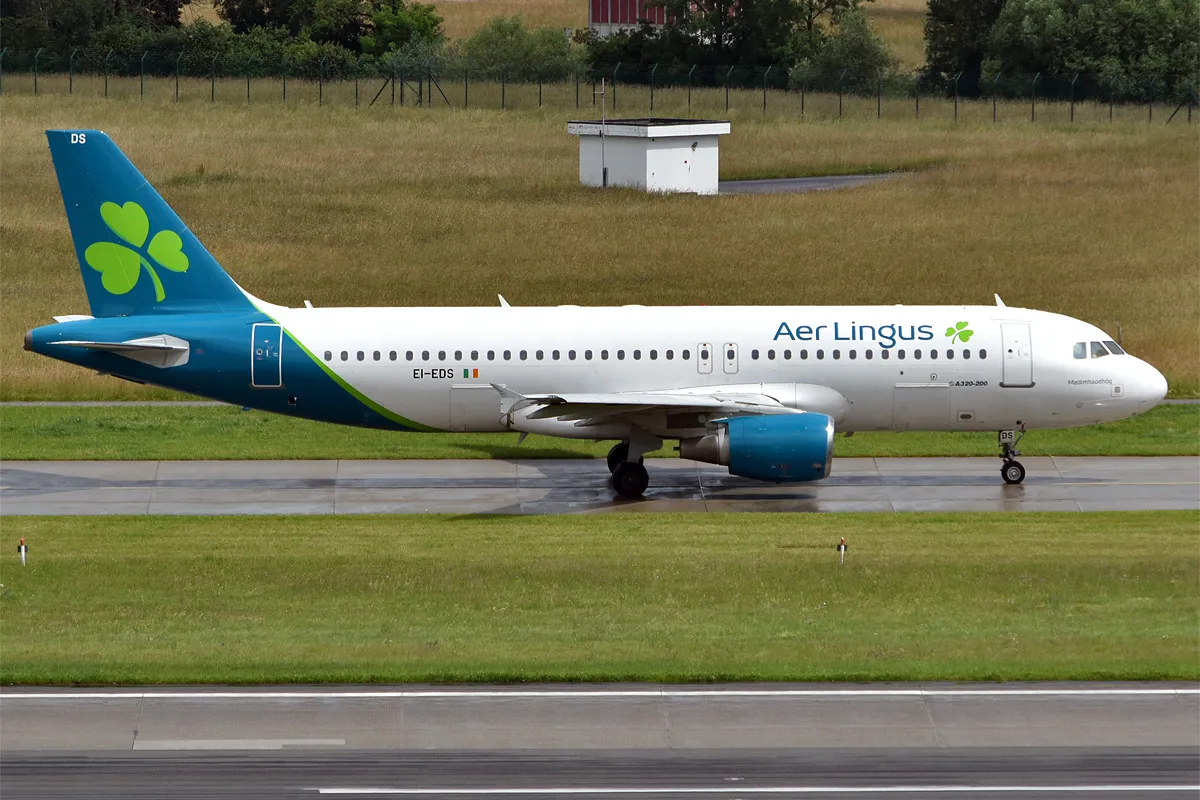
Aer Lingus had initially set an optimistic tone for the summer travel season. Travelers looked forward to a robust schedule, with flights connecting major destinations across Europe and beyond. But recent developments have shifted that expectation dramatically.
On April 20, 2026, the airline revealed it would cut more than 500 flights from its summer schedule due to mandatory aircraft maintenance. This represents about two percent of Aer Lingus’s overall operations—a significant adjustment for an airline that was gearing up for peak travel.
The immediate fallout is palpable. Flights from Dublin to key European cities like Amsterdam, Athens, and Berlin are among those affected. UK routes, particularly to London Heathrow and Manchester, are also seeing reductions. Thousands of passengers now face altered travel plans—many will need to adapt quickly.
A spokesperson for Aer Lingus stated, “The vast majority of customers are being reaccommodated on same-day services.” This proactive approach may help mitigate some frustration, but it does not erase the inconvenience caused by these cuts.
Moreover, the context surrounding these cancellations is concerning. The International Energy Agency has warned that Europe has only about six weeks of jet fuel supplies left due to ongoing geopolitical conflicts. This precarious situation raises questions about operational sustainability in the aviation sector.
As if that weren’t enough, Ireland is pushing for the temporary removal of taxes on sustainable aviation fuel (SAF) imported from the United States—a move that could alleviate some financial pressures on airlines. Currently, a duty of around eight percent applies to these imports.
Yet there’s more at play here. The scale and timing of the cuts have raised questions about whether operational pressures extend beyond routine maintenance. Details remain unconfirmed.
In a related shift, Aer Lingus has joined Ryanair in requiring all passengers traveling between Great Britain and Ireland to carry valid passports—adding another layer of complexity for travelers.
The ramifications of these flight cuts extend beyond inconvenience; they reflect broader challenges within the aviation industry as it grapples with fluctuating fuel supplies and regulatory pressures. As Willie Walsh aptly noted regarding the IEA’s assessment: “The potential jet fuel shortages are sobering.”