Reaction from the field
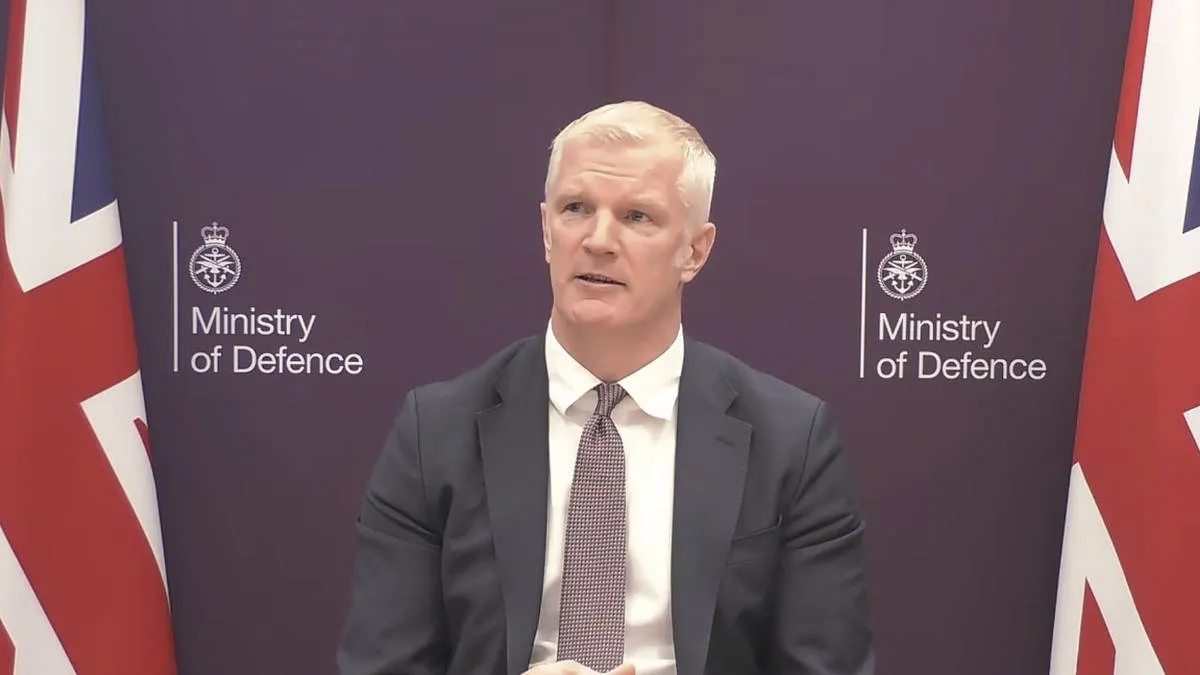
Al Carns, a Labour minister and former Royal Marine, has found himself at the center of a political storm following his claims for approximately £3,000 in parliamentary expenses for the production of 17 promotional videos. This revelation comes at a time when the UK is grappling with the ramifications of the ongoing conflict in Iran, which has significantly disrupted global energy supplies. The stakes are high, as Carns’s expenses raise questions about accountability in public spending while he simultaneously warns of the broader implications of international conflicts on domestic energy security.
The promotional videos include a particularly eye-catching segment where Carns competes in pull-ups against a firefighter at a local fire station. While this may seem innocuous, the totality of his claims, which also encompasses around £14,000 for the services of a public relations consultant, has sparked debate about the appropriateness of such expenditures in the context of his role as a public servant. Carns has defended his overall staff spending of £111,000, asserting that it is significantly below the typical levels for Members of Parliament.
Despite the scrutiny, the Independent Parliamentary Standards Authority (Ipsa) approved Carns’s expenses, indicating that they met the necessary guidelines. However, the approval does not quell the public’s concern regarding the use of taxpayer money for what some may view as self-promotional activities. This incident raises critical questions about the ethical boundaries of parliamentary expenses and the expectations placed on elected officials.
In tandem with the controversy surrounding his expenses, Carns has made headlines for his comments regarding the conflict in Iran. He stated, “There are reverberations from that war on Iran that we will feel here in the UK and across the rest of the world, actually.” His remarks underscore the interconnectedness of global events and their potential impact on national energy policies.
The ongoing conflict in Iran has not only severed access to substantial global energy supplies but has also disrupted critical mineral resources essential for various industries. Carns emphasized the urgency for the UK to accelerate its transition to renewable energy sources, stating, “This war in Iran has cut off a large chunk of the world’s energy resources.” His call to action reflects a growing recognition that reliance on unstable regions for energy can have dire consequences for national security and economic stability.
Furthermore, Carns articulated the need for the UK to continue its efforts in the North Sea to ensure a diverse energy portfolio that can withstand fluctuations in global markets. He remarked, “We’ve got to move on a green transition, and we’ve got to continue to do what we’re doing in the North Sea to ensure that we have a plethora of capabilities that sustain energy prices and don’t allow them to fluctuate to the point of where they become unaffordable.” This proactive stance on energy policy is crucial as the UK navigates the complexities of international relations and domestic energy needs.
As the situation unfolds, the dual narrative of Carns’s expenses and his warnings about the Iran conflict presents a complex picture of modern governance. While he faces scrutiny for his financial decisions, his advocacy for renewable energy highlights a critical area of policy that requires urgent attention. The intersection of personal accountability and national energy strategy will likely remain a focal point in the coming months.
Details remain unconfirmed regarding potential further developments in Carns’s situation as public sentiment continues to evolve. The implications of his actions, both in terms of parliamentary conduct and energy policy, will be closely monitored as the UK seeks to balance its domestic priorities with the realities of a changing global landscape.