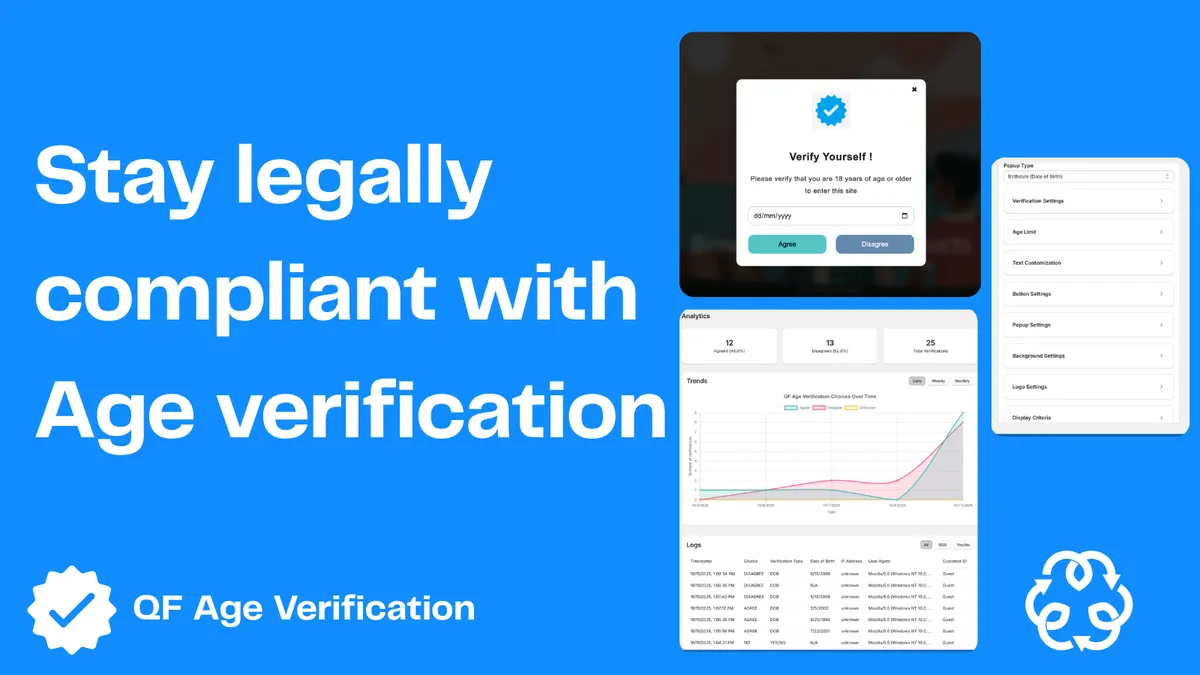
“Adults will have to confirm that they’re 18 or older to use certain services or features, or take certain actions on their account,” stated Apple, marking a significant shift in how age verification is approached in the digital landscape.
With the rollout of the iOS 26.4 update on March 25, 2026, Apple has mandated that iPhone users in the UK confirm their age before accessing specific services. This requirement comes as part of a broader initiative to enhance online safety for children, a move that has been welcomed by regulatory bodies.
Ofcom, the UK’s communications regulator, hailed the new age verification requirement as a “real win for children and families,” underscoring the importance of protecting young users in an increasingly digital world.
Users can verify their age by presenting a credit card or scanning a government-issued ID. For those with existing Apple accounts, age verification may be simplified through linked payment methods. If users fail to confirm their age, Apple will automatically activate child safety protections on their accounts.
Interestingly, this initiative is believed to be a first for a European market, positioning the UK at the forefront of digital child safety measures. The move comes amid increasing pressure on tech companies from the UK government to enhance protections for children online.
However, not all responses have been positive. A Reddit user expressed frustration, stating, “Myself and everyone I know (wife, friends, family, colleagues, etc) are doing everything to bypass these overreaching age checks.” This sentiment reflects a growing concern among users about the implications of such stringent measures.
Additionally, the iOS 26.4 update includes features like AI-generated playlists and a concert discovery tool, indicating that Apple is not only focused on safety but also enhancing user experience.
It is worth noting that a message suggesting age verification was required to download apps was later clarified by Apple as being displayed in error. This highlights the complexities involved in implementing such significant changes.
Despite these challenges, the UK government is actively trialing a program to compare the experiences of teens with social app usage restrictions, further emphasizing the ongoing commitment to child safety in the digital realm.
As the landscape of online safety continues to evolve, the UK will be among the first to experience these new child safety protections, setting a precedent for other regions to follow.