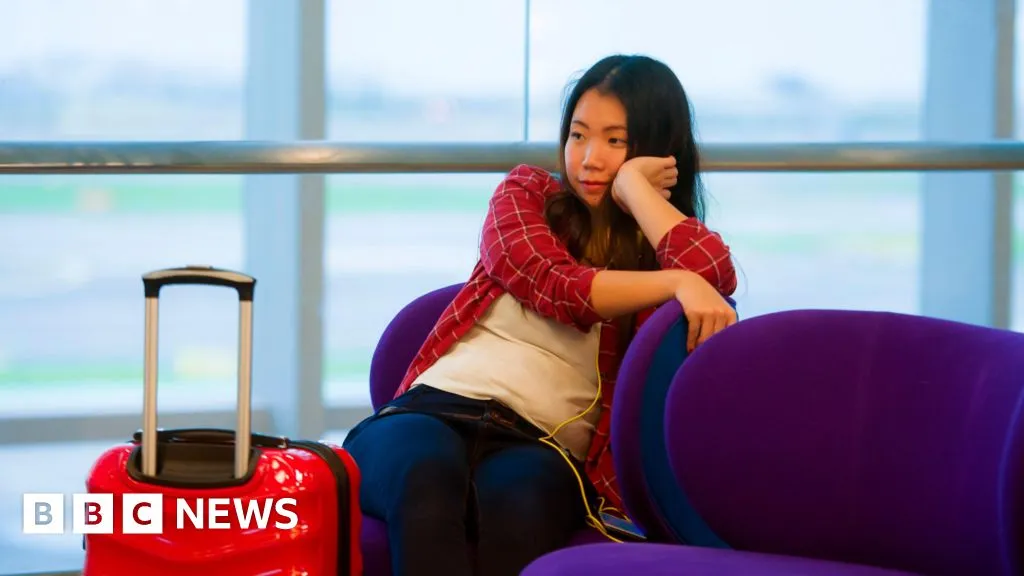
Major airlines cancelled 34 flights and delayed 272 more on April 26, stranding hundreds of passengers across Australia and New Zealand. The chaos unfolded at key airports, including Sydney, Melbourne, Brisbane, Wellington, Auckland, and Christchurch.
In Melbourne’s Tullamarine airport alone, 84 flights either failed to depart or arrive on time. Sydney recorded the highest number of cancellations—10 flights were grounded there. Brisbane wasn’t spared; it experienced delays affecting 62 flights.
As for Auckland, it had eight flights cancelled and an additional 44 delays. Wellington saw four cancellations. These disruptions stem from rising fuel costs—exacerbated by the ongoing Middle East conflict—and have sent ripples through the aviation network.
Air New Zealand announced earlier this month that it would reduce flights throughout May and June while also increasing ticket prices in response to these rising costs. This move indicates a shift in how airlines are adapting to economic pressures.
Passenger compensation remains a hot topic as affected travelers navigate their options. Many find themselves stranded with little information on rescheduling or refunds. Frustration is palpable among those caught in this web of delays.
Officials have not provided a clear timeline for when normal operations will resume. The uncertainty only adds to the stress for thousands of travelers affected by these cancellations.
As the situation develops, airlines will need to manage both operational challenges and customer relations carefully. The impact on air travel could linger well beyond this immediate disruption.
In a climate where air travel disruption becomes increasingly common, how airlines respond will be critical. Will they prioritize passenger compensation? Or will operational efficiency take precedence?