Bitcoin Price Fluctuations
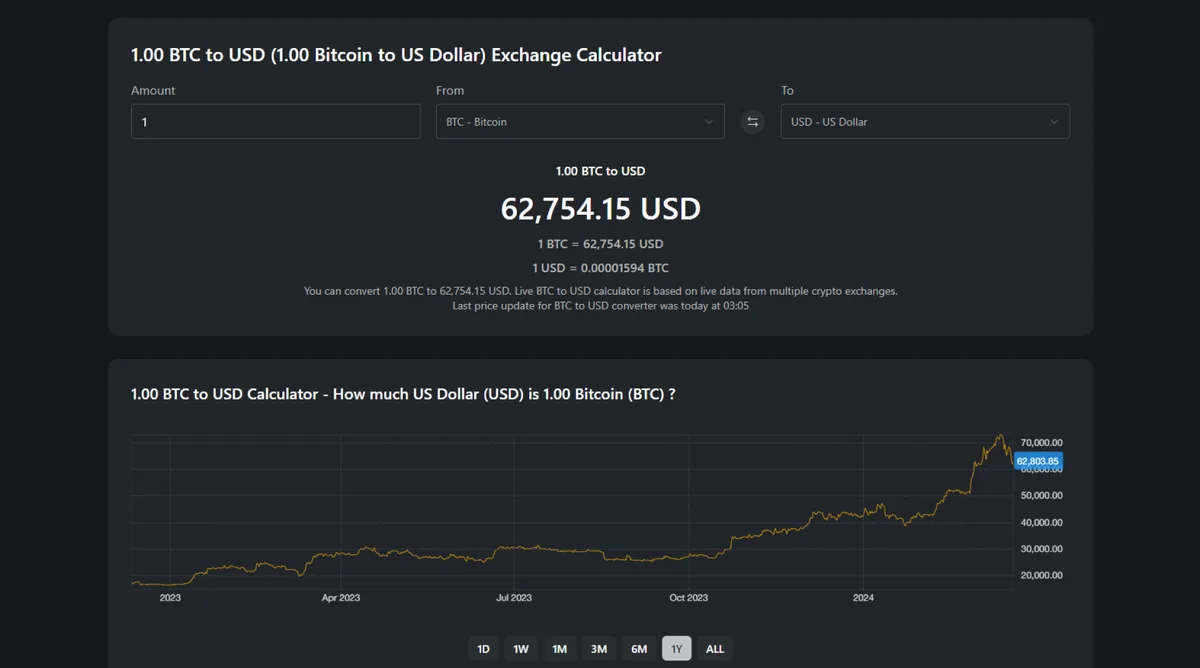
Bitcoin has experienced notable fluctuations in its price, recently falling to $66,000 after significant sell-offs of exchange-traded funds (ETFs). This decline was preceded by a brief rise above the $73,000 mark earlier in the week, highlighting the cryptocurrency’s inherent volatility.
Currently, Bitcoin is trading at $67,308, reflecting a recovery from the recent lows. The sell-off on Friday involved $143.5 million worth of shares in IBIT, indicating a substantial shift in investor sentiment.
Market analysts attribute the recent price movements to renewed institutional demand entering the market through spot ETFs. Orkun Mahir Kılıç noted, “The recent move in Bitcoin can largely be attributed to renewed institutional demand entering the market through spot exchange-traded funds.” This influx of traditional capital has made ETFs a crucial gateway for Bitcoin investments.
However, Bitcoin’s price remains susceptible to macroeconomic shocks and geopolitical events. John Haar remarked, “When geopolitical volatility affects financial markets, Bitcoin should be expected to behave like a high-beta risk asset in the short run.” This behavior has been particularly evident since the onset of the conflict in the Middle East.
Jordan Jefferson further emphasized that Bitcoin often reacts to macro shocks, stating, “In the near term, Bitcoin often trades as a risk asset and reacts to macro shocks like the recent Iran crisis.” Such external factors contribute to the cryptocurrency’s unpredictable nature.
Looking ahead, analysts like Mike McGlone have suggested that Bitcoin could potentially drop to $50,000 if current trends continue. This prediction underscores the uncertainty surrounding Bitcoin’s future price movements.
Overall, Bitcoin’s price dynamics illustrate the complex interplay between market demand, geopolitical events, and investor behavior. As the cryptocurrency landscape evolves, further developments are expected, but details remain unconfirmed.