Key moments
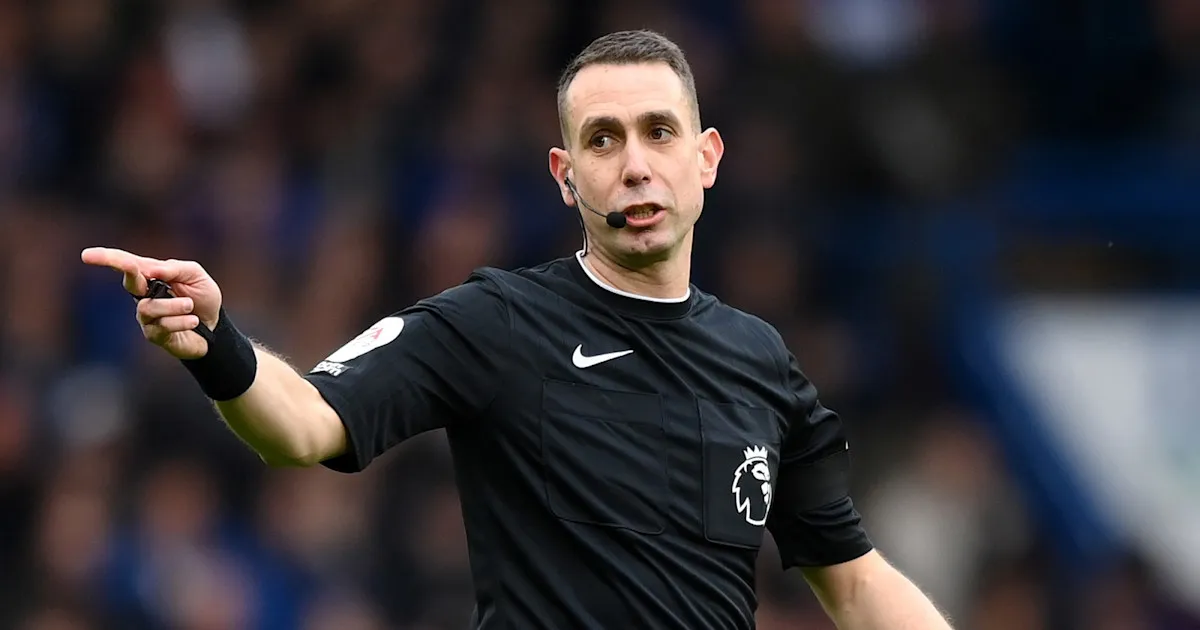
In a significant development for the upcoming Carabao Cup final, Peter Bankes has been appointed as the referee for the highly anticipated match between Arsenal and Manchester City, scheduled for March 22, 2026, at Wembley Stadium. This decision has sparked discussions among fans and analysts alike, particularly given Bankes’ controversial officiating history.
Bankes, who has officiated 14 matches involving Arsenal, has seen the Gunners achieve a commendable record of 10 wins, 1 draw, and only 3 losses under his supervision. Notably, he has never issued a red card or penalty in any of these encounters, which raises questions about his ability to manage high-pressure situations. In contrast, his officiating record with Manchester City is slightly more tumultuous, with 12 matches resulting in 6 wins, 1 draw, and 5 losses, alongside one red card issued.
Adding to the intrigue is Bankes’ ban from officiating matches involving Liverpool and Everton, stemming from his affiliation with the Liverpool Football Association. This has led to speculation about whether his officiating style may be influenced by his past experiences, as he has never officiated a match involving either of these clubs. The absence of Liverpool from the Carabao Cup, following their elimination by Crystal Palace in the fourth round, has allowed Bankes to officiate this final without conflict.
The Carabao Cup final is often regarded as the first major piece of silverware available in the football season, making the stakes particularly high for both Arsenal and Manchester City. With VAR technology set to be in operation during the match, overseen by video assistant referee John Brooks, the potential for controversial decisions looms large. Bankes has officiated 22 Premier League matches in the current season, awarding 6 penalties and issuing 4 red cards, which may influence perceptions of his officiating capabilities.
As the match approaches, reactions from fans and pundits have been mixed. Some believe that Bankes’ previous record with Arsenal could work in their favor, while others express concern over his ability to handle the pressure of such a significant fixture. The lack of penalties and red cards in his Arsenal matches may suggest a leniency that could either benefit the flow of the game or lead to contentious moments if critical decisions are required.
Moreover, the appointment of Bankes has reignited discussions about referee selection in high-stakes matches. Many argue that a referee’s history with the teams involved should be taken into account to ensure impartiality and fairness. The scrutiny surrounding Bankes’ appointment highlights the ongoing debate about the role of referees in football and their impact on match outcomes.
As the football community gears up for the Carabao Cup final, all eyes will be on Peter Bankes. His performance could not only influence the outcome of the match but also shape the narrative surrounding officiating standards in the sport. The anticipation builds, and with it, the pressure on Bankes to deliver a fair and decisive performance.
Details remain unconfirmed.