F1 Qualifying at the Australian Grand Prix
As the sun set over the Melbourne Grand Prix Circuit on March 7, 2026, anticipation built for the F1 qualifying session. Teams had been preparing for this moment, with Mercedes showing strong long-run pace during pre-season testing. The atmosphere was electric, with fans eager to see how the drivers would perform on the challenging track.
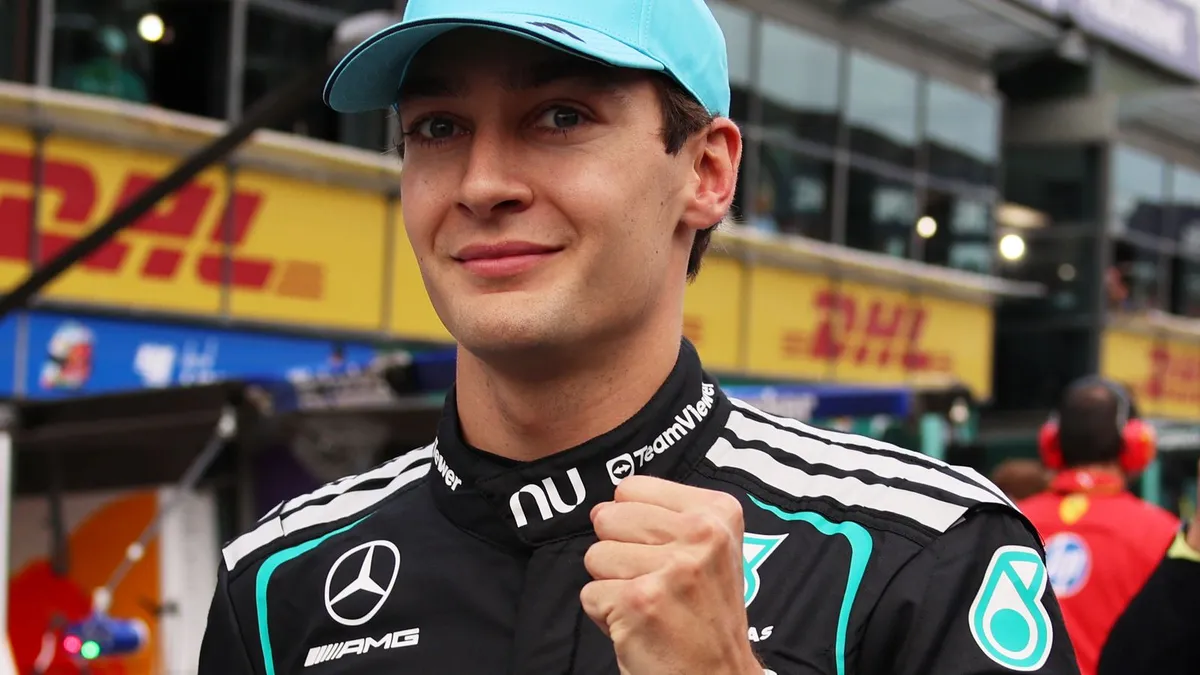
When the session began, George Russell quickly established himself as a contender, showcasing the potential of his Mercedes car. He clocked an impressive time of 1:18.518, ultimately securing pole position. His teammate, Kimi Antonelli, also delivered a strong performance, completing a front-row lockout for Mercedes. Russell expressed his satisfaction, stating, “It was a great day. We knew there was a lot of potential in the car…” This achievement marked a significant moment for the team, which has dominated the constructors’ championship in recent years.
However, the session was not without its challenges. Max Verstappen, a key contender for the title, faced a major setback when he crashed during Q1, resulting in a disappointing starting position of 20th. Following the incident, Verstappen reported, “(I’m) all good. I just had to get some X-rays done to see if my hands were ok, but nothing was broken.” His crash not only affected his qualifying position but also led to a red flag that interrupted the session, causing delays for other drivers.
In a notable debut, Isack Hadjar finished third in his Red Bull, showcasing his potential and hinting at a promising future in the sport. Meanwhile, Liam Lawson and Arvid Lindblad, driving for Racing Bulls, finished eighth and ninth respectively, contributing to a strong showing for the team. The qualifying session highlighted the competitive nature of the field, with several drivers pushing their limits.
Despite the success for Mercedes, the team faced a setback of their own. They were fined €7,500 for releasing a car in unsafe conditions during Q3, a reminder of the strict regulations that govern the sport. This incident added a layer of complexity to their otherwise successful qualifying session.
Fernando Alonso, a veteran in the sport, finished in 17th place, ahead of both Cadillac cars, while Carlos Sainz and Lance Stroll did not set a time in qualifying, leaving them at a disadvantage for the race. The absence of qualifying times for these drivers raises questions about their strategies moving forward.
As the teams prepare for the race, the implications of this qualifying session are significant. For Mercedes, the front-row lockout reinforces their status as a dominant force in Formula 1, while Verstappen’s crash serves as a stark reminder of the unpredictability of the sport. The results from this session will undoubtedly influence the strategies employed by teams and drivers alike in the upcoming race.
With the qualifying session concluded, all eyes will now be on the race itself, where the drivers will have the opportunity to translate their qualifying performances into points on the board. The stakes are high, and the excitement continues to build as the F1 season unfolds.