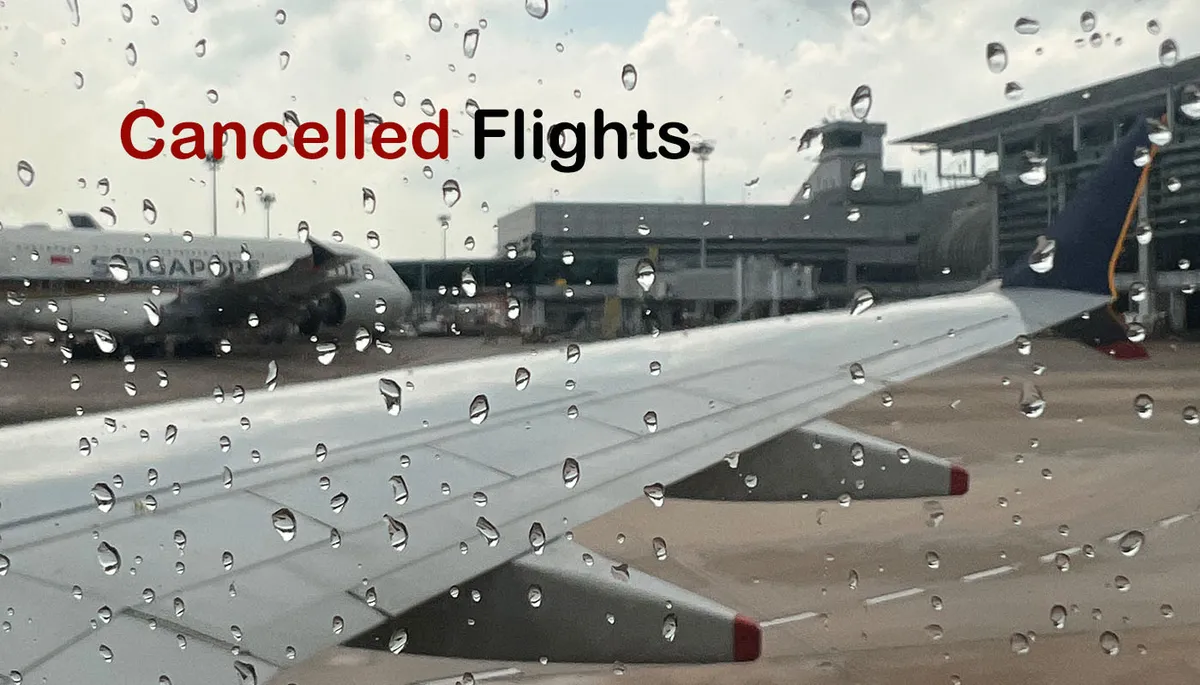
The UK is facing a potential summer of flight cancellations and jet fuel shortages due to the ongoing conflict in the Middle East, with airlines already cutting millions of seats from their schedules. Two million airline seats have been eliminated as airlines respond to soaring jet fuel prices.
In May 2026, about 13,000 fewer flights will operate worldwide after recent cancellations. Lufthansa alone has cut 20,000 short-haul flights operated by its CityLine subsidiary. The price of jet fuel has more than doubled since the US-Israel attack on Iran, impacting the already strained UK aviation market.
The UK is the largest net importer of jet fuel in Europe, and it now faces potential shortages. The closure of the Strait of Hormuz has cut off about 30% of Europe’s aviation fuel shipments—an alarming statistic for an industry that heavily relies on stable supply chains.
Key impacts on airline operations:
- The UK government is relaxing ‘use-it-or-lose-it’ slot rules, allowing airlines to cancel flights without losing rights.
- Airlines may be forced into rationing fuel due to shortages caused by the conflict.
- A predicted ticket cost rise of 10-15% looms if fuel rationing becomes necessary.
Observers have noted that “the longer the crisis goes on, the more cuts should be expected,” according to Cirium. This sentiment underscores a growing concern within the industry about how airlines will adjust their schedules amidst ongoing fuel shortages.
Yet, some reports suggest that “airlines continue to operate normally and are not experiencing issues with jet fuel supply,” as stated by Airlines UK. This conflicting information leaves stakeholders uncertain about the future—especially as they navigate these turbulent times.
As the situation evolves, there are still many unknowns surrounding the long-term impact of this conflict on jet fuel supply and flight operations. The next steps for airlines remain unclear as they brace for what could be one of the most challenging summers in recent history.