The wider picture
Crimson Desert, developed by Pearl Abyss, has emerged as a significant player in the gaming industry, quickly becoming the #1 selling game on Steam, PlayStation Store, and Xbox Store. This rise to the top comes after years of anticipation and delays, which heightened expectations among gamers. However, the launch has been marred by controversy surrounding the inclusion of AI-generated assets that were unintentionally incorporated into the game.
In response to the backlash, Pearl Abyss has confirmed that it will remove these AI-generated assets and is currently conducting a comprehensive audit of all in-game assets. This proactive approach aims to reassure players that the integrity of the game is a priority for the developers. “We sincerely apologize for these oversights,” the company stated, acknowledging the concerns raised by the gaming community.
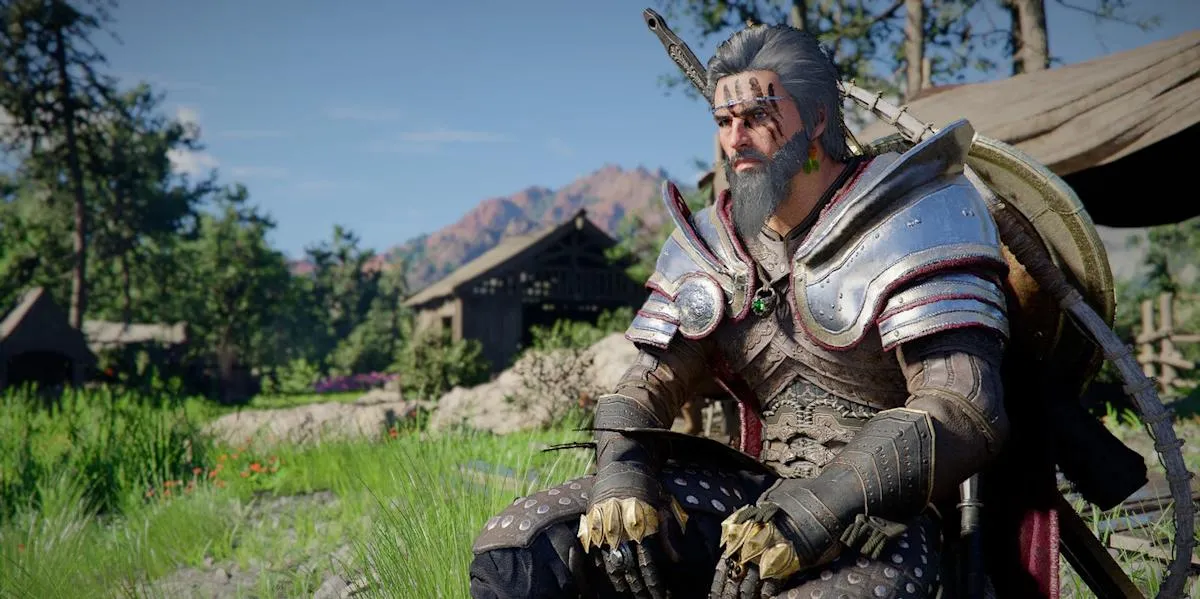
Crimson Desert offers players an expansive world filled with diverse biomes and regions, each boasting unique identities. The game allows players to switch between three playable characters, enhancing the gameplay experience. The main quest revolves around the player’s faction, the Greymanes, who face an attack that displaces them, setting the stage for an epic narrative. With a main quest that takes approximately 120 hours to complete, players can also engage in numerous side missions, adding to the overall playtime.
Despite its ambitious scope, some players have expressed mixed feelings about the game’s narrative depth. One reviewer noted, “The world has nooks and crannies that have rare and unique gear, but I have yet to find a game-changing prize or an obscure secret that blows my mind.” This sentiment reflects a broader concern that while the game is visually stunning and runs smoothly on PC, it may lack memorable characters and a compelling main quest.
Players have reported spending upwards of 150 hours exploring the game, which features epic exploration, combat, trading, and puzzles. However, the overwhelming amount of side content has led some to feel that the experience can become repetitive. As one player remarked, “It can feel a tad repetitive and it can be easy to zone out as you meet characters you don’t care about.” This highlights the challenge of balancing quantity and quality in game design.
As the gaming community continues to dissect Crimson Desert, observers are keen to see how Pearl Abyss will address the concerns surrounding the AI-generated assets and whether the game’s narrative elements will evolve. The developer’s commitment to a thorough audit suggests that they are taking the feedback seriously, which could bode well for future updates and expansions.
Looking ahead, the gaming industry will be watching closely to see how Crimson Desert navigates these challenges. The outcome of Pearl Abyss’s efforts to rectify the situation may set a precedent for other developers in the industry, particularly in the realm of asset creation and quality assurance. As the dust settles, it remains to be seen whether Crimson Desert will solidify its place as a landmark title or fade into the background of gaming history.