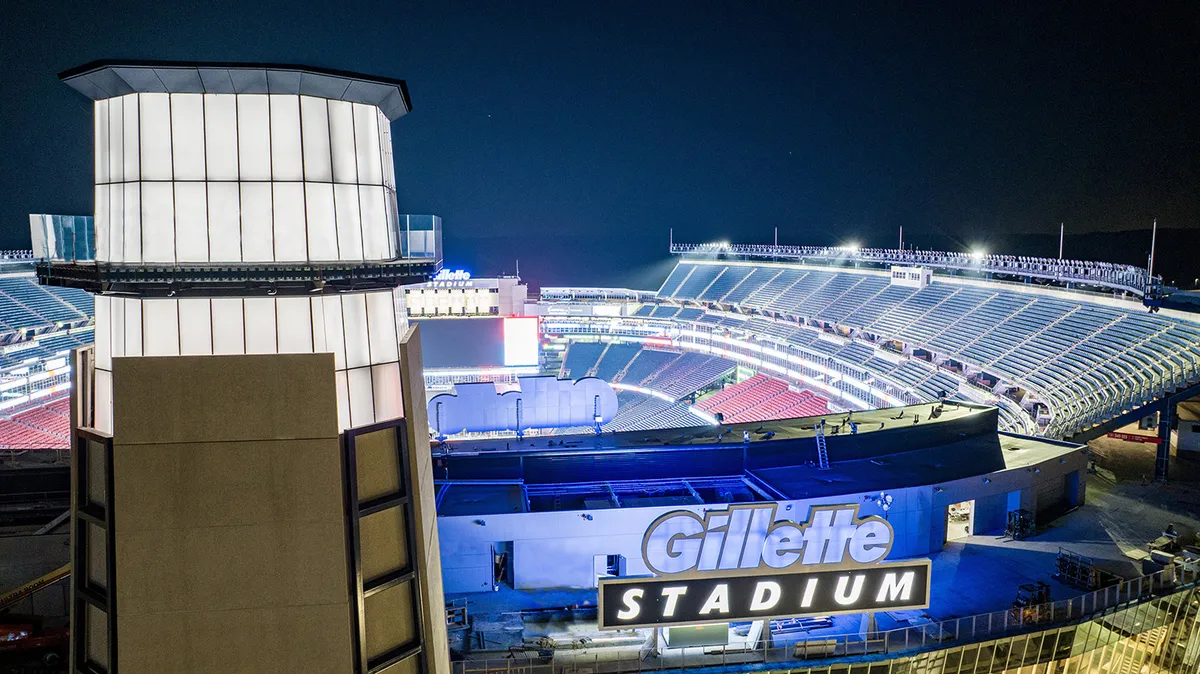
Will Gillette Stadium be ready for the influx of fans during the 2026 World Cup? Yes, but it comes with significant costs and logistical challenges.
Gillette Stadium, located in Foxborough, Massachusetts, is slated to host seven matches during the tournament, including a highly anticipated game between England and Ghana on June 23, 2026. With a capacity of around 65,000 people, the stadium is one of 16 venues selected by FIFA for this global event.
The venue recently underwent a $250 million renovation, enhancing its facilities to accommodate the demands of international soccer. This investment aims to ensure that both players and fans experience a world-class environment.
However, the financial implications for fans are already raising eyebrows. The Massachusetts Bay Transportation Authority (MBTA) plans to charge around $75 for a round-trip train ticket during the World Cup, a move criticized by many as excessive. A spokesperson from the Football Supporters Association remarked, “On top of extortionate parking charges and likely high taxi tariffs, sadly it comes as little surprise that the cost of what should be a free service to encourage use of public transport has been set at a ludicrously high level for what is by far the most expensive World Cup ever.”
In addition to transportation costs, the entry-level ticket price for group-stage matches is expected to be around $60, further compounding the financial burden on supporters. This has led to concerns about accessibility for average fans wanting to attend the matches.
Historically, Gillette Stadium has hosted significant soccer events, including four matches during the 2003 Women’s World Cup. Brazil has a mixed record at this venue, with three wins and two losses since their first match there against Mexico on September 12, 2007.
As the countdown to the World Cup continues, the MBTA has committed to investing $35 million in upgrades for Foxboro Station to improve accessibility and accommodate the expected surge in passengers. This project aims to ensure that fans can reach the stadium with relative ease, despite the high ticket prices.
While the preparations are underway, details remain unconfirmed regarding the final logistics and pricing structures as the event approaches. Fans and stakeholders alike are left to ponder whether the benefits of hosting the World Cup will outweigh the costs involved.