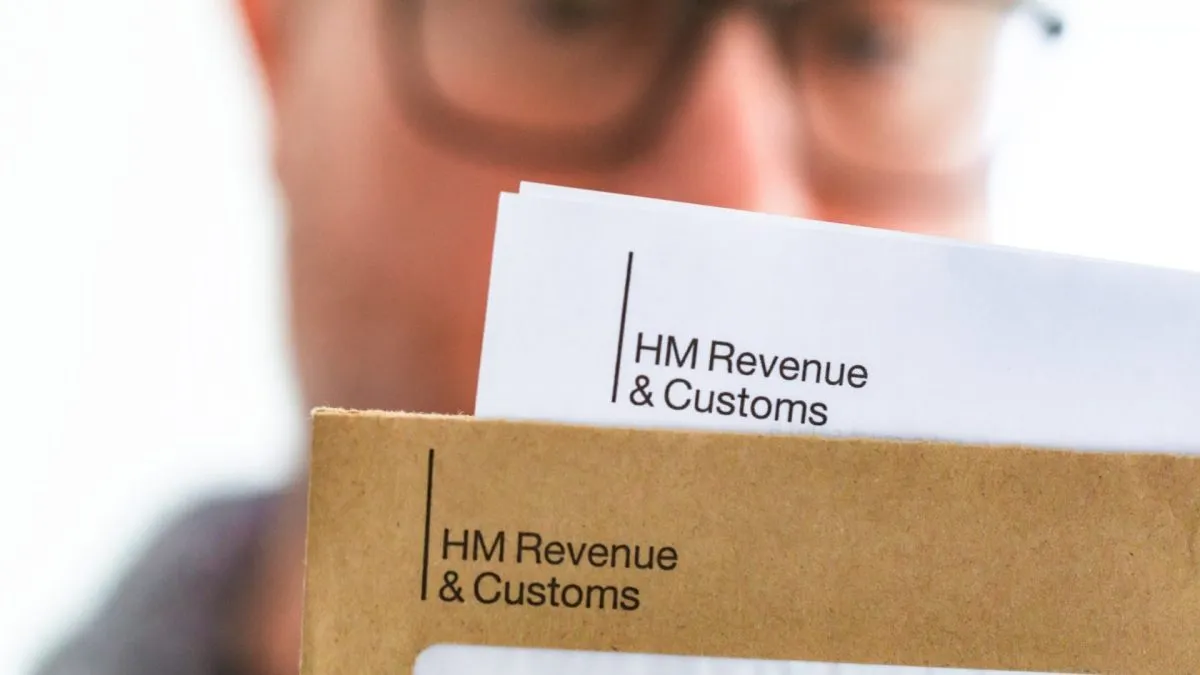
As the United Kingdom moves towards a more digital economy, one might expect that government agencies would keep pace with technological advancements. However, recent developments reveal that HMRC (Her Majesty’s Revenue and Customs) is still issuing a significant number of cheques for tax refunds, a practice that many consider outdated. This situation raises questions about the efficiency of the tax refund process and the accessibility of funds for taxpayers.
In the past year alone, HMRC issued a staggering 1,746,720 cheques. While this number reflects the agency’s ongoing commitment to refunding taxpayers, it also highlights a troubling trend: 178,180 of these cheques went uncashed. The total value of these unclaimed cheques amounts to a remarkable £144 million, with the average missed repayment being approximately £800 per taxpayer. This situation is particularly concerning as it suggests that many individuals are missing out on funds that they are entitled to.
Historically, HMRC’s practice has been to issue cheques if taxpayers do not respond to correspondence within 21 days. However, as of now, around 20% of taxpayers have not yet migrated to the new digital system. This slow transition raises questions about the accessibility of tax refunds for those who may not be comfortable with or have access to digital banking options. Despite HMRC’s efforts to reduce cheque usage since 2024, the persistence of this method indicates that there are still significant barriers to fully embracing a digital-first approach.
As HMRC aims for a complete transition to a digital system by April 2027, the reliance on cheques remains a point of contention. Robert Salter, a tax expert, pointed out, “It is certainly a bit problematic that HMRC continues to use cheques to settle tax refunds in so many cases.” His comments reflect a growing frustration among taxpayers and financial professionals alike regarding the inefficiency of the current system.
In contrast, HMRC has emphasized that the vast majority of pay-as-you-earn (PAYE) repayments are now issued via bank transfer, which is the default option. A spokesperson for HMRC stated, “The quickest and most secure way for customers to receive their money” is through this method. This statement underscores the agency’s recognition of the need for a more efficient system, yet the ongoing issuance of cheques suggests that not all taxpayers are being adequately served.
Moreover, the fact that a significant number of cheques remain uncashed raises concerns about financial literacy and accessibility among certain demographics. Shaun Moore, another tax expert, remarked, “The data highlights how some parts of the tax system are still struggling to keep pace with a digital economy.” This observation points to a broader issue within the tax system that needs to be addressed to ensure that all taxpayers can benefit from timely refunds.
As the situation stands, HMRC’s continued issuance of cheques for tax refunds is a reminder of the challenges that lie ahead in the transition to a fully digital system. While the agency is making strides towards modernization, the persistence of traditional methods indicates that there is still much work to be done. For taxpayers, this means that they must remain vigilant about their refunds and be proactive in ensuring they receive the funds they are owed.
In conclusion, the ongoing reliance on cheques by HMRC serves as a critical reminder of the complexities involved in modernizing public services. As the agency works towards a digital future, the implications for taxpayers and the efficiency of the tax system will continue to be closely scrutinized.