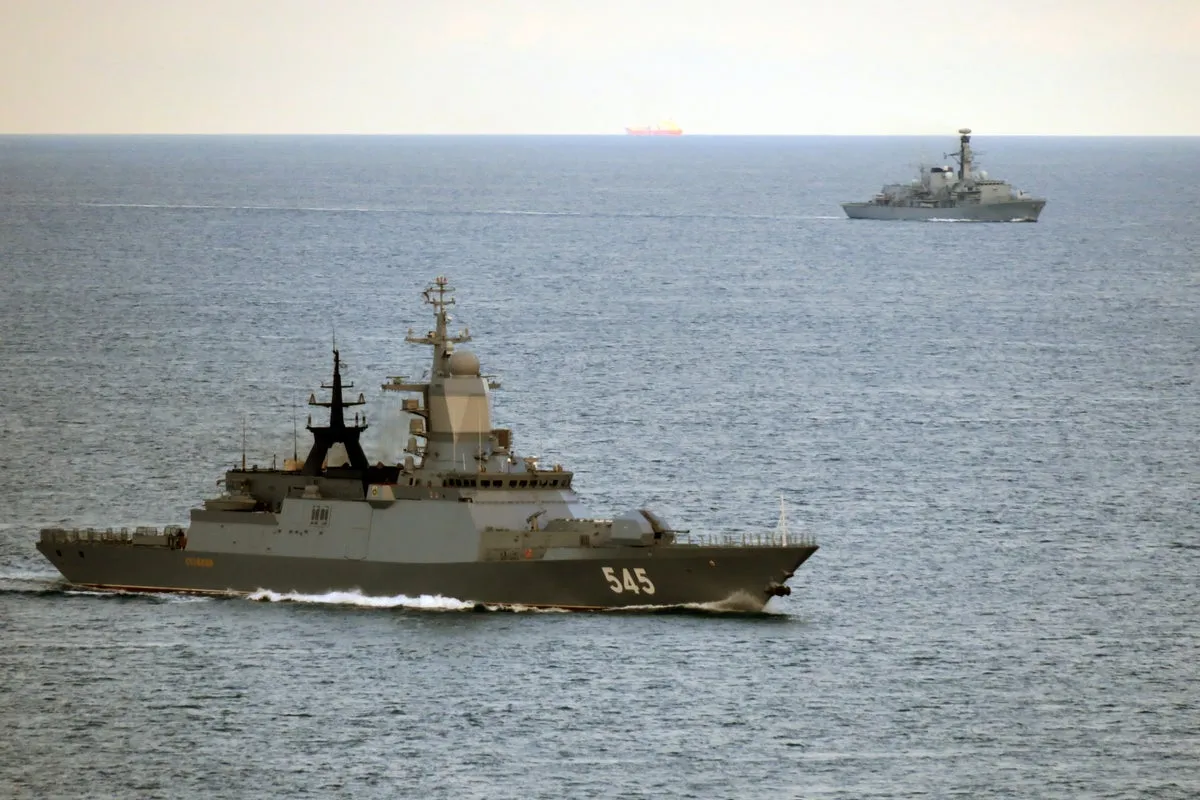
The recent withdrawal of HMS Iron Duke has left the Royal Navy with just five operational frigates, raising significant concerns about the fleet’s overall sustainability and operational readiness.
Since October 2025, HMS Iron Duke has not been operational at sea. The vessel, a Type 23 frigate, was stripped of its weapons and sensors as part of its decommissioning process. This decision follows a tumultuous history; after a £103 million refit that took an astonishing 49 months and over 1.7 million man-hours, the ship was laid up in Portsmouth since 2017.
What led to this moment? The Ministry of Defence canceled the planned conversion project for HMS Iron Duke, citing that “the benefits of proceeding did not justify the additional cost or extended period out of service,” according to Luke Pollard. The cancellation reflects broader issues within the Royal Navy’s operational framework.
As it stands, the remaining fleet must now contend with increased pressure to sustain operations in the Atlantic. With HMS Richmond also confirmed for decommissioning this year, the situation appears dire. The Royal Navy is expected to introduce Type 26 and Type 31 frigates before 2030, but their arrival may not alleviate immediate concerns.
The financial implications are staggering—HMS Iron Duke’s life extension cost approximately £6.4 million per operational month. Critics argue that this situation is emblematic of a widening capability gap within the Royal Navy fleet.
Officials have yet to clarify the exact reasons behind HMS Iron Duke’s withdrawal from service, including any potential undisclosed defects. The future of the Royal Navy’s frigate capabilities remains uncertain as they navigate these challenges while fulfilling NATO commitments.