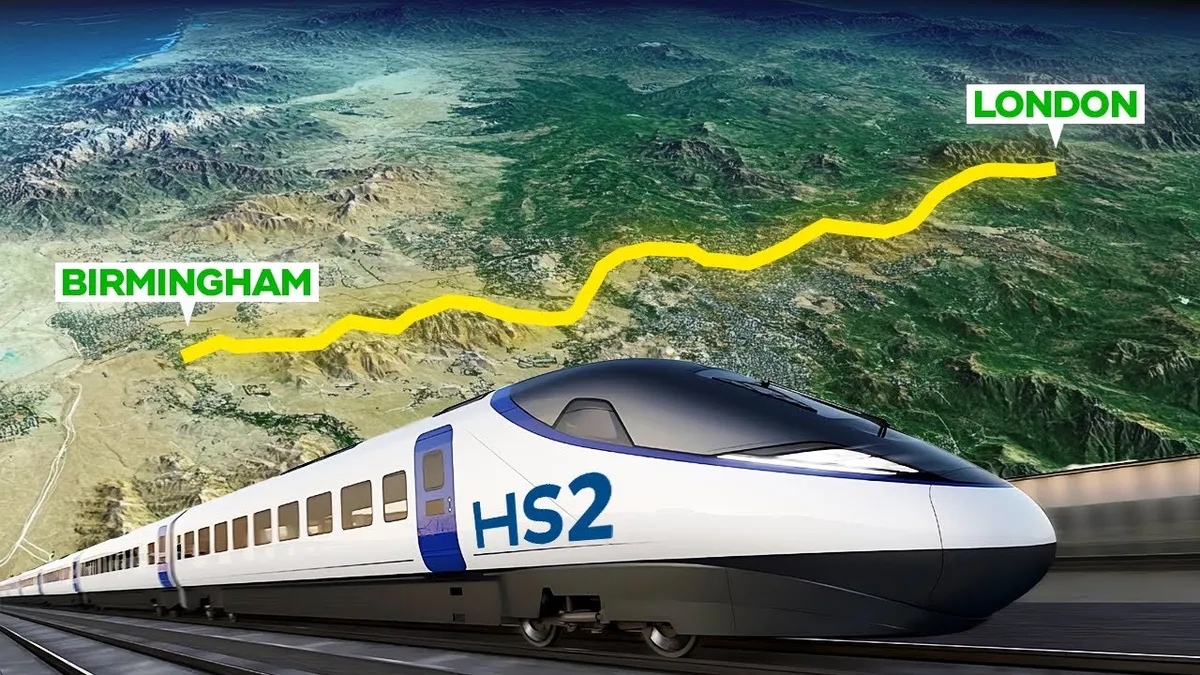
The question at the forefront of the HS2 project is whether its ambitious vision of high-speed rail travel in the UK is on track for success. As it stands, the answer is complicated. While HS2 trains are planned to run at a staggering 360 kilometres per hour (kph), no railway in the UK is currently engineered to accommodate such speeds. This discrepancy raises concerns about the feasibility and practicality of the entire project.
As of February 2026, the HS2 programme has seen an expenditure of £43.6 billion, a figure that reflects both the scale of the project and the challenges it faces. The history of the HS2 programme has been characterised by spiralling costs and ever-shifting timelines due to past mismanagement. Mark Wild, the CEO of HS2 Ltd, has been at the helm during this tumultuous period, overseeing significant milestones such as the completion of all major deep-bore tunnelling between Old Oak Common and Birmingham Curzon Street in October 2025.
Among the notable features of the HS2 project is the Chiltern tunnel, which at 10 miles long, stands as the longest tunnel on the route. Additionally, the Colne Valley Viaduct has been touted as the longest rail bridge in the UK. These engineering feats are not just technical achievements; they symbolize the ambition behind HS2. However, they also come with a hefty price tag and logistical challenges that have drawn scrutiny from various stakeholders.
Engagement with local communities has been a focal point for HS2 Ltd, which has conducted over 1,700 meetings and events, reaching more than 15,000 residents between April and December 2025. This outreach is crucial, especially given the number of complaints received—1,067 to be exact—regarding the project’s impact on local environments and communities. In response, HS2 Ltd has invested £21.1 million in communities and businesses affected by the construction, funding 379 projects through its Community and Environment Fund.
Despite these efforts, the project’s future remains uncertain. The Secretary of State has expressed a commitment to exploring opportunities to reduce costs and delivery timelines, indicating that there may be a need to reconsider the current specifications of the railway. Mark Wild’s initial and provisional estimates suggest that a reduction in speed specifications could save billions and potentially bring the railway into service sooner. However, this raises questions about the long-term viability and competitiveness of HS2.
Details remain unconfirmed regarding the timeline for completion, as Mark Wild was expected to announce that HS2 would not be completed until after the current 2033 deadline. This announcement has been delayed until after the May elections, leaving stakeholders in a state of uncertainty. The implications of such delays could be far-reaching, affecting not only the project’s budget but also public perception and support.
As HS2 Ltd continues to navigate these challenges, the commitment to health and safety on construction sites remains paramount. The organization has reiterated its dedication to ensuring that all workers are safe, a sentiment echoed by the Secretary of State, who has called for improved performance in this respect. The road ahead for HS2 is fraught with challenges, but it also presents an opportunity for re-evaluation and potential recalibration of its goals.