What are the implications of proposed insurance guarantees in the Strait of Hormuz?
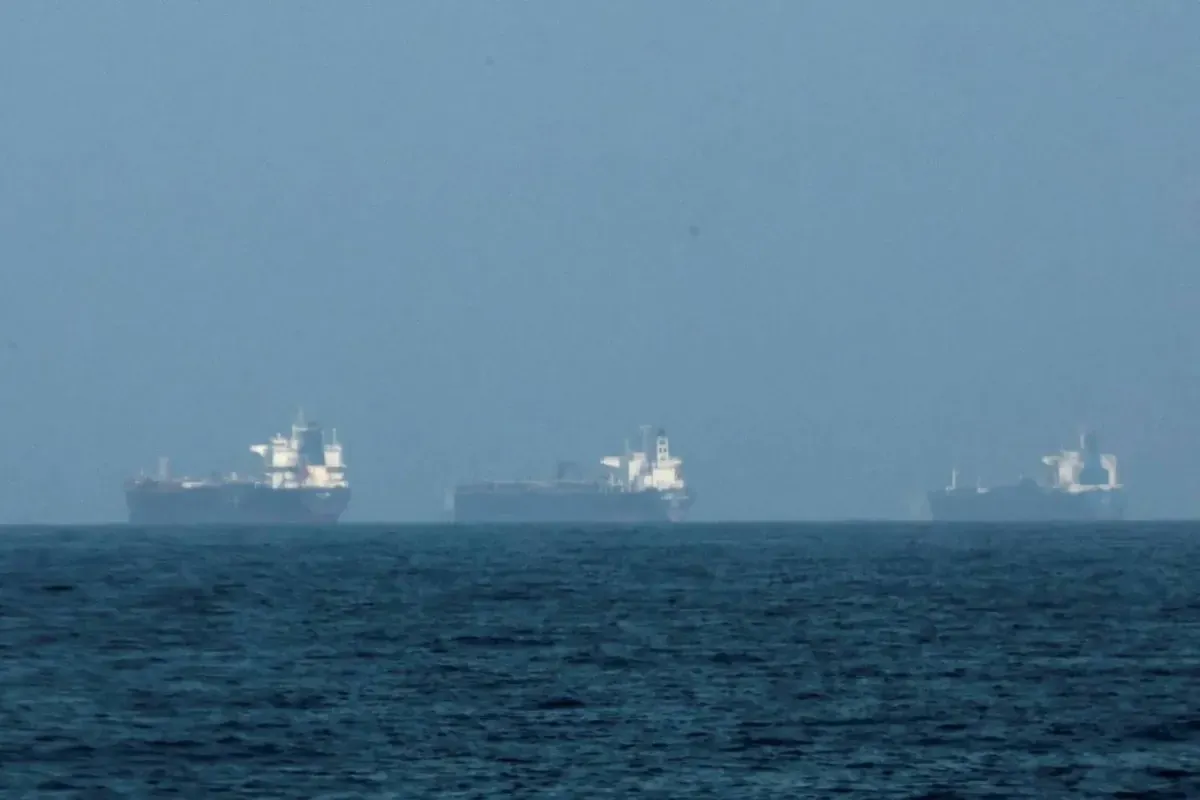
The US has proposed to provide insurance risk guarantees to stabilize the Strait of Hormuz, a crucial maritime route through which roughly 20 percent of global oil flows. This initiative comes in response to escalating tensions in the region, particularly involving Iran, which has multiple options to target vessels, including missiles and naval mines.
As a result of the heightened risks, more than half of the world’s major marine insurance associations have announced plans to suspend war-risk coverage for vessels entering the Arabian Gulf. This has led to a significant surge in war-risk insurance premiums, which have increased by around 300 percent, now reaching approximately 1.5 percent of the value of each shipment.
While the US Navy may escort oil tankers through the Strait, experts warn that these naval escorts may offer only psychological reassurance. Saeed Salam, a strategic analyst, stated, “Naval escorts may offer psychological reassurance, but they cannot fully counter asymmetric threats such as naval mines, suicide drones or anti-ship missiles.” This highlights the limitations of military presence in ensuring safe passage for commercial shipping.
Abdulaziz Sager, a regional security expert, emphasized that “the proposed guarantees would not be enough to ensure the safe passage of commercial shipping.” The potential for military convoys to slow shipping traffic could create logistical bottlenecks, further increasing costs for shipping companies.
Despite US intervention aimed at curbing soaring insurance premiums, it is anticipated that fear-driven surcharges on maritime transport will persist. The duration of the ongoing conflict will likely influence the scale of economic losses impacting trade volumes, oil flows, and shipping costs.
Moreover, details remain unconfirmed regarding how the US International Development Finance Corporation (DFC) would structure the insurance coverage. The exact impact of the conflict on trade volumes and shipping costs also remains uncertain.
Any failure to militarily protect insured vessels could undermine the entire insurance framework, exposing the US Treasury to massive compensation claims, according to Saeed Salam. This underscores the complex interplay between military strategy and economic stability in one of the world’s most vital shipping lanes.