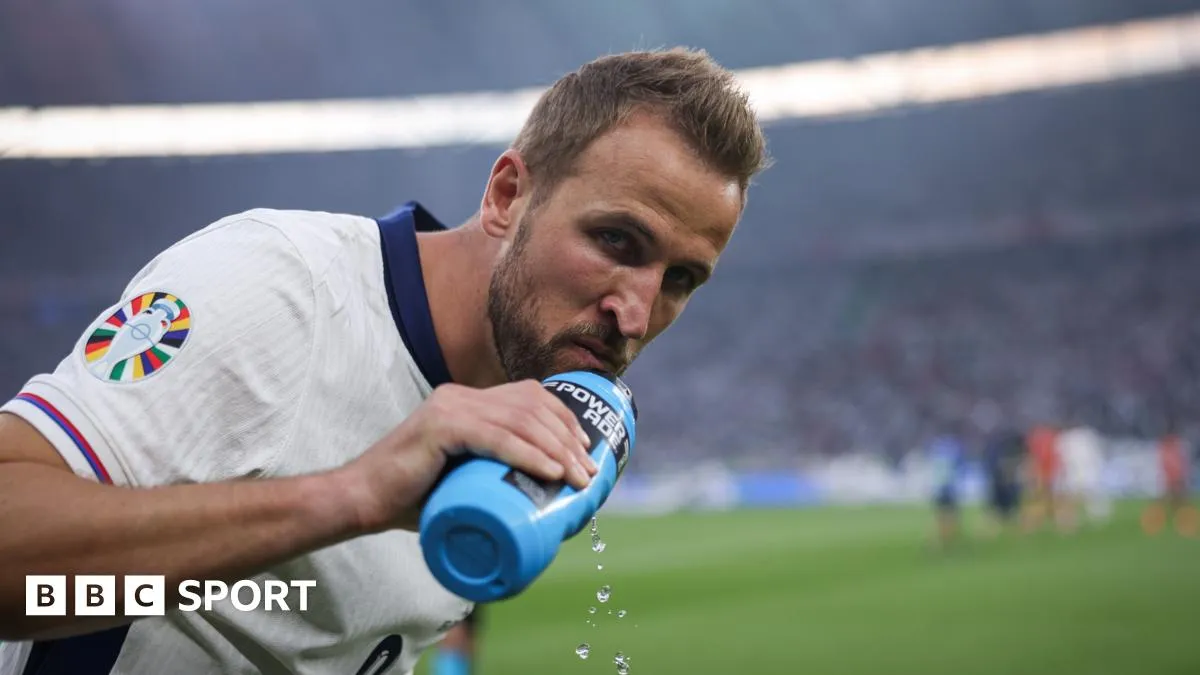
“We asked for it to make it like a game in the World Cup, where we will have water breaks,” stated Thomas Tuchel, highlighting the need for hydration during England’s friendly against Japan at Wembley.
This match is set to feature two scheduled water breaks, occurring in the 22nd and 67th minutes, a practice that aligns with the upcoming World Cup regulations where every game will incorporate a three-minute hydration break in each half.
Tuchel’s comments come in the wake of England’s previous friendly against Uruguay, where the team requested water breaks, but the request was denied by their opponents. “They didn’t agree to a lot of stuff and that was not the spirit during the match,” Tuchel added, reflecting on the challenges of implementing such measures in friendlies.
As international football evolves, recent rule changes have allowed for more substitutions during friendlies. Teams can now make up to eight substitutions, with the possibility of increasing that number to 11 if both teams consent.
This flexibility in substitutions is particularly significant as teams prepare for the World Cup, which will take place in the United States, Canada, and Mexico in June and July. Such adaptations are crucial for managing player fatigue and ensuring optimal performance.
In the context of international friendlies, the introduction of hydration breaks is a progressive step towards mirroring tournament conditions. It reflects a growing awareness of player welfare and the physical demands of the game.
As England gears up for their match against Japan, the implementation of these breaks may set a precedent for future friendlies, encouraging teams to prioritize player health.
With the World Cup on the horizon, the focus on hydration and player management will likely become even more pronounced, as teams strive to adapt to the rigorous demands of international competition.
As the football community watches closely, the outcome of this friendly could influence how teams approach hydration and substitutions in the future.
Details remain unconfirmed regarding any further adaptations for upcoming matches, but the emphasis on player welfare is likely to remain a key topic in discussions leading up to the World Cup.