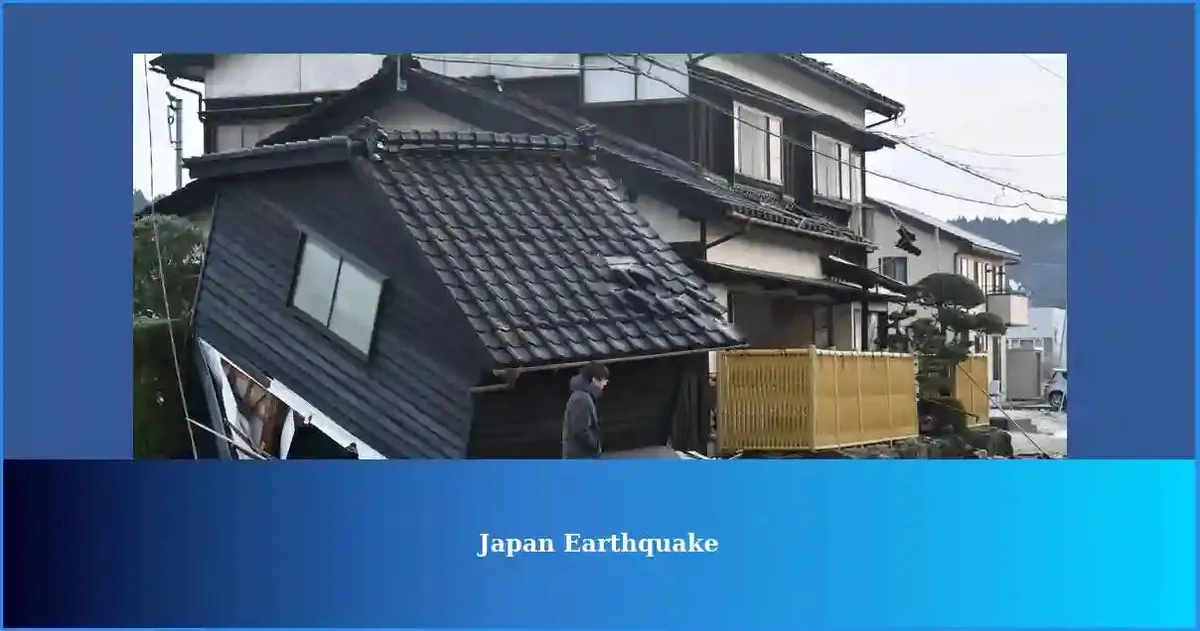
A significant earthquake with a magnitude of 7.7 struck off the northeastern coast of Japan’s Sanriku at 4:53 PM local time on April 20, 2026. The tremor prompted a tsunami warning along parts of the east coast, resulting in the evacuation of more than 156,000 people across five prefectures. The stakes were high—initial estimates suggested tsunami waves could reach heights between one and three meters (approximately ten feet).
In a country that experiences around 1,500 earthquakes annually, this incident evokes memories of the catastrophic 2011 Tohoku earthquake and tsunami, which claimed nearly 18,000 lives and caused severe nuclear fallout at Fukushima. The Japan Meteorological Agency urged immediate action: “Evacuate immediately from coastal regions… to high ground or an evacuation building.” Such directives are not merely precautionary; they are vital for survival.
Fortunately, as the situation unfolded, no casualties or major damage were reported. However, approximately 100 homes were left without power—a reminder of nature’s unpredictable force. The evacuation efforts were bolstered by the government forming an emergency taskforce to oversee safety measures.
The tsunami warning was later downgraded to advisories as waves began to recede. Yet officials remained cautious—”Tsunami waves are expected to hit repeatedly. Do not leave safe ground until the warning is lifted,” they advised. This caution reflects a deep-seated awareness of Japan’s position within the ‘Ring of Fire,’ where about 20% of the world’s earthquakes recorded at a magnitude of six or higher occur.
As people returned to their homes, many were reminded of the fragility of safety in such a seismically active region. The International Atomic Energy Agency reported no abnormalities at nuclear facilities post-earthquake, which likely alleviated some public concern.
What remains uncertain is whether this event signals an uptick in seismic activity—a mere 1% probability exists for a larger quake following this one. As residents assess damages and emotional tolls, they must also prepare for potential future quakes.
In light of these developments, government officials like Sanae Takaichi emphasized personal responsibility: “Please take anti-disaster steps while embracing the idea that one must protect one’s own life.” This call to action resonates deeply in a nation accustomed to natural disasters but still striving for resilience.
The echoes of past tragedies linger in the air—reminders that preparedness is not just protocol but essential for survival in Japan’s ever-shifting landscape.