What the data shows
The Mar Menor, a unique coastal lagoon in Spain, is raising critical questions about sustainability and environmental conservation. Recent developments indicate a concerted effort to address these issues, including a new pedestrian route and the establishment of a conservation center. But what do these initiatives mean for the future of the Mar Menor?
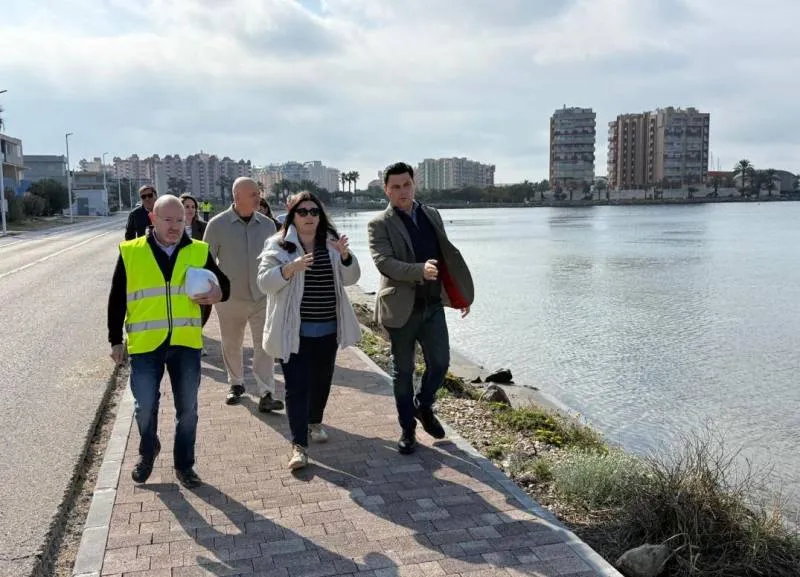
One of the most notable projects is a 2.1-kilometre stretch of new pavement designed to create a continuous pedestrian route along the Mar Menor strip. This project, which is expected to be completed within the next month, represents a significant investment of €637,502.75, funded through the San Javier Destination Tourism Sustainability Plan. The new pavement will be between 2 and 2.3 metres wide, and new street lighting has already been installed along the entire stretch, enhancing the area for both residents and tourists.
In addition to the pedestrian route, the Mar Menor will soon be home to the OM2 Centre for Conservation and Recovery of Mar Menor Species, located at the former San Javier airport. This center is designed to study the full life cycle of Mar Menor species under controlled conditions, aiming to improve conservation protocols and increase the chances of successful reintroduction into the natural environment. According to President Fernando Lopez Miras, “The scientific work carried out at the centre will generate applied knowledge that can be used in real environmental management decisions.” This initiative positions the region as a reference point for marine ecosystem restoration in southern Europe.
The backdrop to these developments is Spain’s wider Recovery, Transformation and Resilience Plan, which is backed by the European Union’s Next Generation funding programme. This plan aims to revitalize various sectors, including tourism, while ensuring that environmental sustainability remains a priority. The Mar Menor, which has faced numerous environmental challenges, is a focal point for these efforts.
As these projects unfold, they raise important questions about the balance between tourism and conservation. The new pedestrian route is expected to attract more visitors to the Mar Menor, potentially boosting the local economy. However, increased foot traffic could also pose risks to the fragile ecosystem if not managed properly. Stakeholders will need to ensure that the influx of tourists does not compromise the very environment they are striving to protect.
Moreover, the success of the OM2 Centre will depend on its ability to engage with local communities and stakeholders. Effective communication and collaboration will be crucial in fostering a sense of ownership and responsibility among residents and visitors alike. The center’s research could provide valuable insights into the best practices for managing and restoring the Mar Menor’s unique ecosystems.
While these initiatives are promising, uncertainties remain. Details about the long-term impact of the pedestrian route on local ecosystems and the effectiveness of the conservation center’s research are still to be confirmed. As the Mar Menor embarks on this new chapter, the eyes of environmentalists, tourists, and local residents will be watching closely.
In summary, the Mar Menor is at a pivotal moment, with significant investments aimed at enhancing both its ecological health and its appeal as a tourist destination. The outcomes of these projects could set a precedent for how coastal regions can balance economic development with environmental stewardship.