The numbers
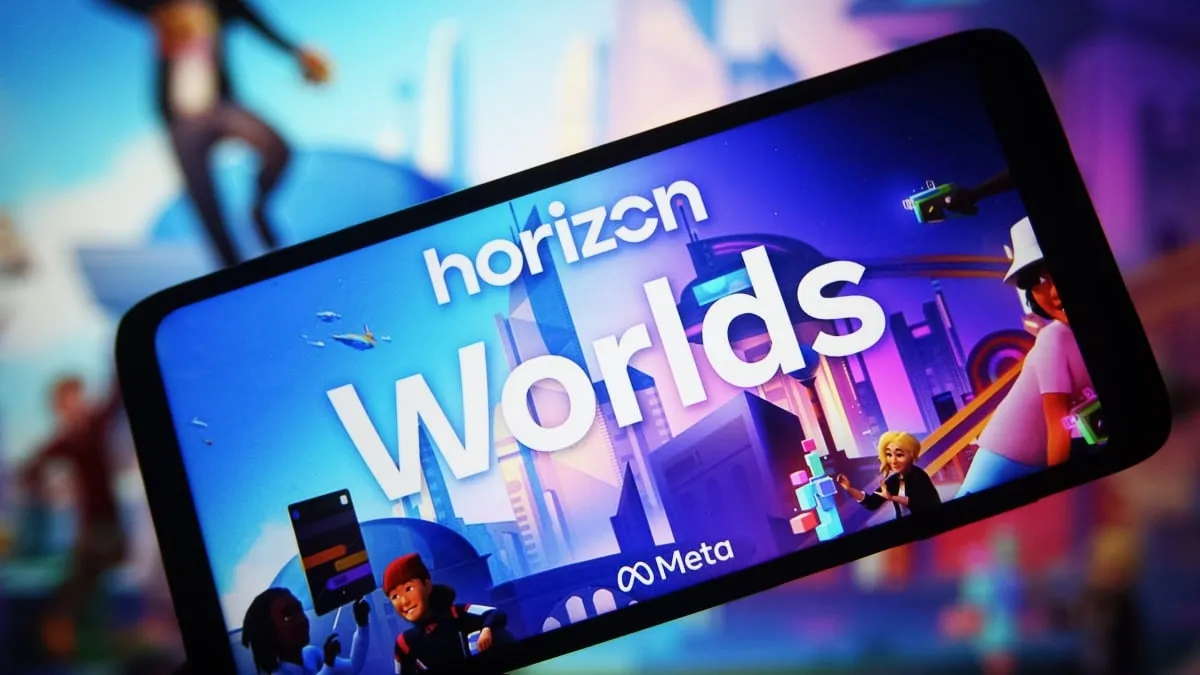
In a significant pivot, Meta has confirmed that its virtual reality platform, Horizon Worlds, will no longer be available in VR after June 15, 2026. This decision follows the announcement that Horizon Worlds will be removed from the Quest Store by March 31, 2026. The company, which has invested a staggering $80 billion in the metaverse, is now redirecting its efforts towards a mobile app version of Horizon Worlds, indicating a shift in strategy as user engagement evolves.
Despite the impending closure of Horizon Worlds, Meta remains the single largest investor in the VR industry. The company has stated, “We have a robust roadmap of future VR headsets that will be tailored to different audience segments as the market grows and matures.” This commitment to VR hardware suggests that while one avenue is closing, others are being developed to capture a changing landscape.
The metaverse, once envisioned as a customer-facing service channel, has not materialized in any meaningful way. This reality is underscored by the experiences of companies like Walmart, which has been utilizing VR-based training for its contact center agents since 2021. A recent survey revealed that the average annual turnover rate in contact centers has reached 60%, highlighting the need for effective training solutions.
Walmart’s VR training program, developed in collaboration with Strivr, has shown promising results, reducing total training time for associates from eight hours down to just 15 minutes. Employee satisfaction scores at Walmart rose by 30% following the implementation of VR training, and associates scored 10-15% higher on post-training assessments. These outcomes illustrate the potential of VR in enhancing employee performance and satisfaction, even as the broader metaverse concept struggles to find its footing.
Looking ahead, industry expert Marty Resnick predicts that by 2026, 25% of people will spend at least one hour a day in the metaverse for various activities, including work, shopping, education, and entertainment. Furthermore, he anticipates that 30% of organizations worldwide will have products and services ready for the metaverse by that same year. This projection highlights a growing acceptance and integration of metaverse technologies, albeit in forms that may differ from Meta’s original vision.
While Meta’s decision to shut down Horizon Worlds marks a setback, the company’s ongoing investment in VR hardware suggests a belief in the technology’s long-term potential. However, it remains to be seen whether the pivot to a mobile app will resonate with users who have been accustomed to immersive VR experiences.
As the metaverse landscape continues to evolve, observers are left to ponder the viability of various investments in this space. Resnick notes, “It is still too early to know which investments will be viable in the long term, but product managers should take the time to learn, explore and prepare for a metaverse in order to position themselves competitively.” This sentiment encapsulates the uncertainty that surrounds the future of the metaverse, as companies navigate a rapidly changing environment.
Details remain unconfirmed regarding how Meta’s shift will impact its overall strategy and the broader VR industry. As companies like Walmart demonstrate the effectiveness of VR training, the question remains: can the metaverse find its place in a world that increasingly values practical applications over speculative visions?