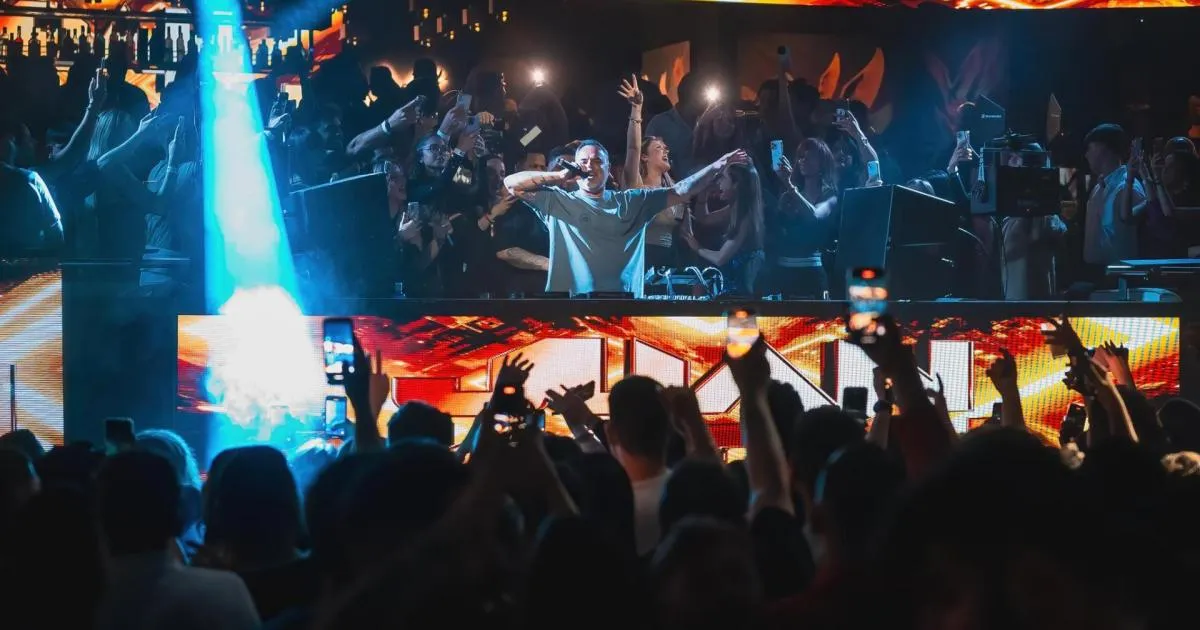
As 2026 approaches, Mallorca’s nightlife sector braces for a revenue decline due to diminishing local and tourist spending. In stark contrast, Liverpool has earned recognition as one of the safest cities for nightlife, despite ongoing safety concerns in certain communities.
The expectations for Mallorca were already low after a disappointing 2025. Miguel Pérez-Marsá from the CAEB Restaurants Association noted, “We were already coming off a slow year, and now the forecast is for even lower attendance and, consequently, lower revenue.” Clubs in Mallorca are responding by shortening their opening hours—focusing primarily on weekends to cut costs.
Meanwhile, Liverpool presents a different narrative. The city has maintained Purple Flag accreditation for an impressive sixteen consecutive years, signifying its commitment to a safe night-time economy. Recent surveys reveal that 60% of individuals feel safe walking around the city center after 10pm. Yet, this sense of security is not universal.
Concerns remain prevalent among vulnerable groups. According to Merseyside Police and Crime Commissioner data, 71% of women surveyed fear sexual assault on a night out. Similarly, 75% of people in the LGBT+ community express feelings of risk regarding harassment while enjoying Liverpool’s vibrant nightlife scene.
In response to these issues, initiatives like the night-time safety charter have emerged. Over 125 businesses in Liverpool have signed this charter to enhance safety standards and provide better training for bar staff—a crucial step toward harassment prevention. Clive Duffey from Ask for Clive emphasized the importance of creating inclusive spaces: “Our sticker is placed at the front door of venues to recognise them as an inclusive hate-free space… it’s about venues creating a culture of safety.”
This juxtaposition highlights significant challenges and triumphs within two distinct nightlife landscapes. While Mallorca faces an uphill battle with declining revenues and fewer tourists, Liverpool continues to cultivate an environment where safety measures are evolving amid persistent challenges.
The future remains uncertain for both locales—the financial viability of Mallorca’s nightlife hangs in the balance as operational adjustments take place. In contrast, Liverpool’s commitment to improving nightlife safety may serve as a model for other cities grappling with similar issues.