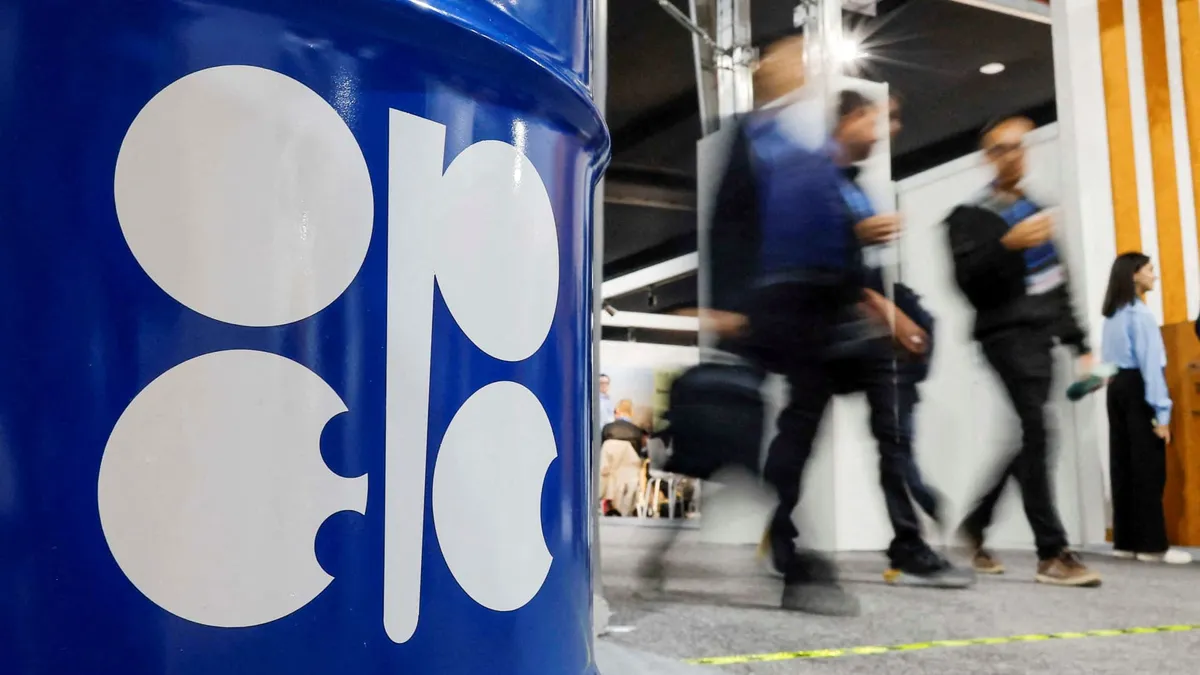
The United Arab Emirates has announced its exit from OPEC, effective April 28, 2026. This decision comes amid escalating global oil prices and ongoing tensions related to the Iran war.
Since joining OPEC in 1967, the UAE has played a crucial role in the organization. However, recent criticisms of fellow Arab states—particularly regarding inadequate support against Iranian threats—have prompted this significant move.
On April 26, the UAE publicly condemned its Gulf Cooperation Council partners for failing to protect its interests. Anwar Gargash, a prominent UAE official, remarked on the historically weak political and military support from these nations.
As a consequence of heightened Iranian threats, Gulf producers have struggled with crude oil exports through the vital Strait of Hormuz—where approximately a fifth of the world’s crude oil and liquefied natural gas flows.
Since the outbreak of hostilities in Iran, Brent crude prices have surged, reaching $119.50 per barrel—a staggering increase of 3.4%. Donald Trump has seized on these developments, accusing OPEC of manipulating prices to its advantage.
This departure could reshape not only OPEC but also the broader energy market. The UAE’s exit signifies a fracture within the alliance that may embolden other members to reconsider their commitments.
As tensions rise in the region and with oil prices fluctuating, stakeholders must assess how this change will impact future collaborations among Gulf states. The implications for energy security are profound, given that many countries depend heavily on stable oil supply chains.
The next few months will be critical as both OPEC and the UAE navigate this new landscape—challenging existing power dynamics and possibly setting new precedents for energy policy in the region.