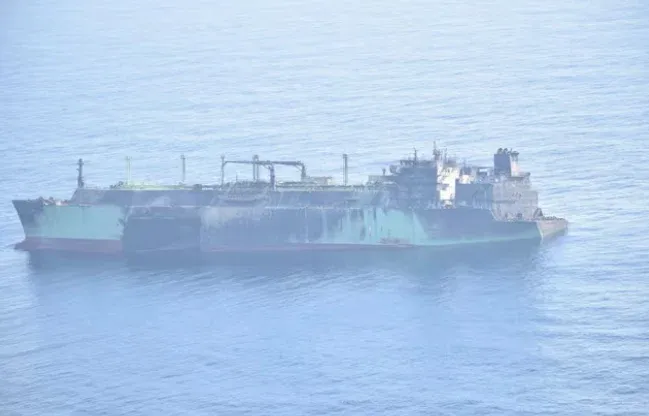
On March 26, 2026, the Altura, a Russian oil tanker, was struck by a drone approximately 14 nautical miles north of the Bosphorus while carrying 140,000 tonnes of crude oil. This incident marks a significant escalation in the ongoing maritime tensions in the Black Sea, a region already fraught with geopolitical strife due to Russia’s invasion of Ukraine, which has now entered its fourth year.
The Altura, flagged under Sierra Leone, is part of Russia’s shadow fleet—a collection of aging tankers acquired by opaque entities to circumvent Western sanctions. Since 2025, the vessel has been under sanctions imposed by Ukraine and Switzerland, with the United Kingdom joining in 2026. The attack has drawn attention to the effectiveness of these sanctions and the challenges of enforcing them in international waters.
Fortunately, all 27 crew members aboard the Altura were unharmed during the drone strike. However, the damage inflicted on the vessel’s deck, bridge, and engine room has raised concerns about the safety of maritime operations in the area. Transport Minister Abdulkadir Uraloglu confirmed that the tanker was subjected to an attack by an unmanned sea vessel, underscoring the evolving nature of threats in the region.
The Altura regularly transports Russian oil to markets in India and Georgia, making it a critical component of Russia’s energy export strategy. Ukrainian President Volodymyr Zelenskyy has urged allies to maintain pressure on Russia’s tankers and shadow fleet, emphasizing that these vessels must not feel secure in European waters. His call to action reflects growing concerns among European nations about the implications of such maritime operations.
In response to the increasing aggressiveness of Russia’s shadow fleet, European countries are intensifying their efforts to curb these operations. The British military has announced that it will now have the authority to board shadow fleet tankers transiting through UK waters, a move aimed at enhancing maritime security and enforcing sanctions more effectively.
British Prime Minister Keir Starmer has echoed this sentiment, stating, “We should go after the shadow fleet even harder.” This statement highlights the urgency with which Western nations are approaching the issue of Russian maritime activities, particularly as they relate to energy exports.
The drone attack on the Altura serves as a stark reminder of the volatile situation in the Black Sea and the lengths to which Ukraine and its allies are willing to go to disrupt Russia’s oil supply chains. As tensions continue to escalate, the international community remains watchful, aware that the implications of these maritime confrontations extend far beyond regional security.
As the situation develops, the focus will likely remain on how effectively sanctions can be enforced against Russia’s shadow fleet and the broader implications for global oil markets. Details remain unconfirmed regarding the exact circumstances surrounding the drone attack, but the incident has undoubtedly heightened the stakes in an already complex geopolitical landscape.