Reaction from the field
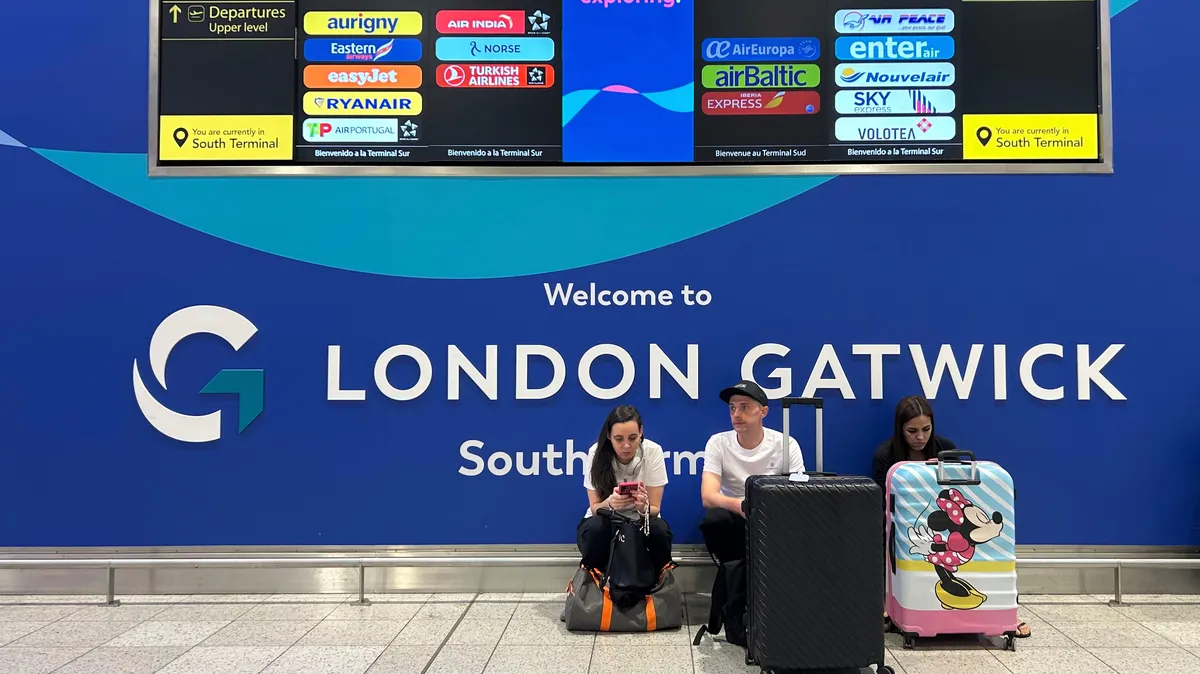
The ongoing conflict in Iran has sent shockwaves through the aviation industry, with Ryanair warning that it may need to cancel between 5% to 10% of its flights through the crucial summer months of May, June, and July. This potential disruption is largely attributed to skyrocketing jet fuel prices, which have surged above $100 a barrel due to the geopolitical tensions in the region. The implications for travelers are significant, as Ryanair is one of Europe’s largest low-cost carriers, and any substantial flight cancellations could leave many stranded or scrambling for alternative travel arrangements.
Ryanair’s CEO, Michael O’Leary, has been vocal about the potential for cancellations, stating, “We’re all facing an unknown scenario.” He emphasized the urgency of the situation, noting that if the conflict persists, it could lead to a risk of fuel supply disruptions as early as June. The UK, in particular, is vulnerable due to its heavy reliance on Middle Eastern fuel, making it a focal point for potential flight cancellations.
In addition to Ryanair, other airlines are already feeling the pinch. Skybus recently announced the cancellation of its flights between Cornwall Airport Newquay and London Gatwick, effective April 2, due to rising fuel costs. Similarly, Aurigny is reducing its flight frequency between Guernsey and London City airport, citing increased fuel prices and a drop in passenger bookings. These moves reflect a broader trend in the industry, as airlines grapple with the financial strain of higher operational costs.
The impact of the Iran war on fuel prices is not limited to Ryanair and its immediate competitors. Air New Zealand has announced it will be axing 1,100 flights until early May, further illustrating the widespread ramifications of the conflict. As fuel prices continue to rise, airlines are left with little choice but to pass on some of these costs to customers, a sentiment echoed by Aurigny’s Philip Saunders, who stated, “Unfortunately, we have to pass on some of the resulting costs to customers to ensure sustainable air services to and from Guernsey.”
Ryanair’s operational challenges are compounded by the fact that it had to scrap its 12 daily services to Jordan when the conflict erupted. This not only affects the airline’s revenue but also disrupts travel plans for passengers who had booked flights to this popular destination. With a target of carrying 216 million passengers in the coming year, any significant cancellations could have a lasting impact on Ryanair’s financial health.
As the situation develops, uncertainties remain. No British airlines have officially cancelled flights as of yet, but the potential for disruptions looms large. The aviation sector is watching closely, as any further escalation in the Iran conflict could lead to more severe consequences for air travel across Europe. Details remain unconfirmed, but the stakes are high for both airlines and travelers alike.
In summary, the combination of rising jet fuel prices and geopolitical instability poses a serious threat to Ryanair and the broader airline industry. As airlines like Ryanair, Skybus, and Aurigny navigate these turbulent waters, passengers must remain vigilant and prepared for possible changes to their travel plans. The hope is that the conflict will resolve soon, allowing for a return to normalcy in air travel.