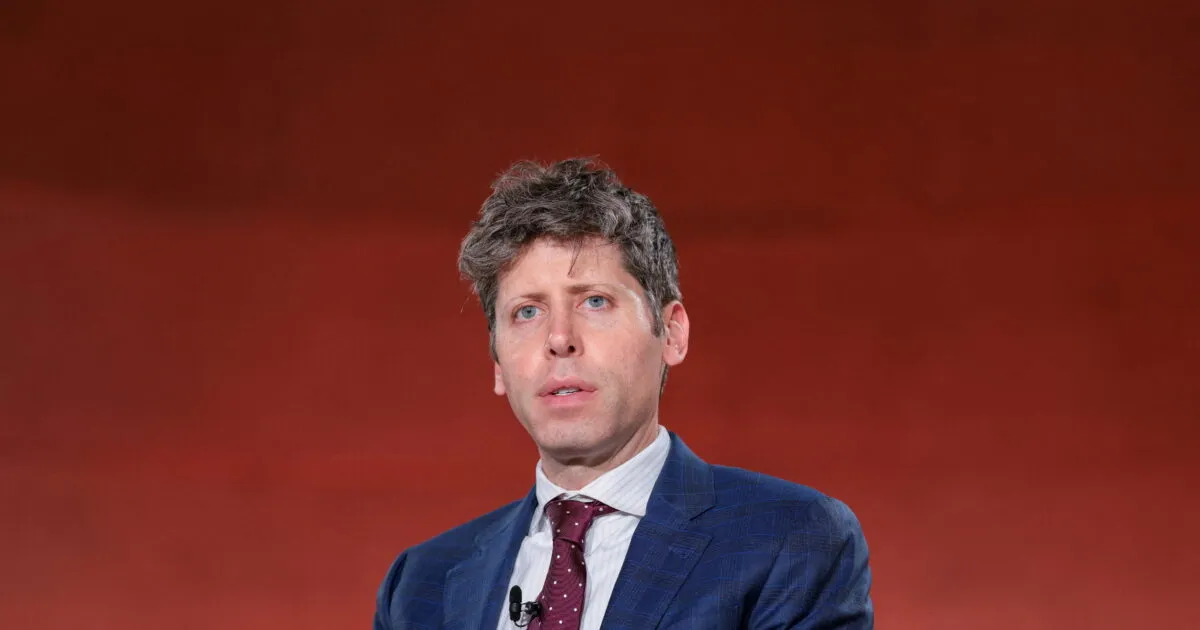
What happens when a prominent tech leader is accused of serious crimes? This question looms large over Sam Altman, co-founder of OpenAI, who is facing a civil lawsuit from his sister, Annie Altman, accusing him of sexually abusing and raping her during their childhood. The allegations, which reportedly began in 1997 when Annie was just three years old and Sam was twelve, have sent shockwaves through the tech community and raised questions about the implications for OpenAI, a company currently valued at an astonishing $852 billion.
In her lawsuit, Annie claims that the abuse continued until 2006, a period marked by significant personal and familial turmoil. Sam Altman has vehemently denied these claims and is countersuing for defamation, asserting that the accusations are baseless and damaging to his reputation. The legal landscape is complex; a US district judge has stated that Annie’s standalone sexual assault claims expired in 2008. However, the court has allowed her to pursue the case under Missouri’s child sexual abuse statute, which could provide a legal pathway for her claims.
The timing of these allegations is particularly critical for OpenAI, which has been navigating its own financial challenges. The company recently announced the acquisition of TBPN to enhance its communication strategy, a move that comes on the heels of significant losses from its Sora video app, which was reportedly losing around $1 million per day before its shutdown. This financial strain raises questions about the sustainability of OpenAI’s ambitious projects and its ability to maintain its market position.
In a recent statement, Sam Altman acknowledged the difficulties of being a CEO, suggesting that the pressures of leadership often go unrecognized. “There are like many hard parts about being a CEO that you don’t get sympathy for,” he remarked, hinting at the personal and professional challenges he faces amid the lawsuit. Meanwhile, Disney, which has invested $1 billion into OpenAI, expressed its commitment to constructive collaboration, emphasizing the need for dialogue as AI systems increasingly integrate into everyday life.
As the lawsuit unfolds, the broader implications for OpenAI and the tech industry remain uncertain. The allegations against Sam Altman are part of a larger context of historical abuse claims under Missouri’s child sexual abuse statute, which has gained attention in recent years. This case could set a precedent for how such allegations are handled within the tech sector, particularly for high-profile figures.
Moreover, the financial ramifications for OpenAI could be profound. With $122 billion raised in its recent funding round, the company is under pressure to demonstrate its value and viability, especially as it grapples with public scrutiny and internal challenges. The outcome of the lawsuit may not only affect Altman’s personal life but could also have lasting effects on OpenAI’s reputation and operational capacity.
As of now, the future is uncertain. While Sam Altman prepares to defend himself against these serious allegations, the tech world watches closely. The intersection of personal accountability and corporate responsibility is at the forefront of this unfolding narrative, and the implications for both Altman and OpenAI could be significant. Details remain unconfirmed as the case progresses, leaving many questions unanswered about the future of one of the most influential figures in technology today.