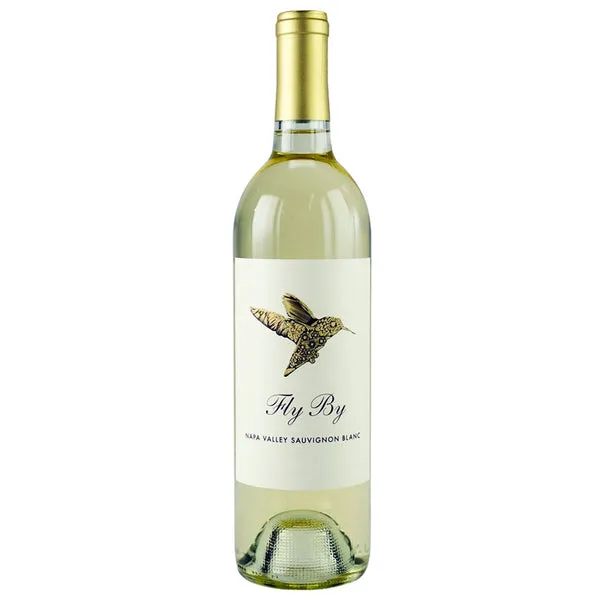
Bags full of empty sauvignon blanc bottles have been dumped along the grassy verges and winding lanes between Hotham and North Cave in East Yorkshire, sparking both concern and curiosity among local residents. The bottles, primarily from the Villa Maria brand, which retails for £10.75, have been discovered scattered across the area, leading to a growing sense of frustration.
One local farmer reported collecting 48 bottles in just one day, highlighting the extent of the issue. “The most I’ve collected in one day is 48,” he remarked, emphasizing the unusual nature of this particular fly-tipping incident. Residents have been finding these bottles for months, yet the East Riding of Yorkshire Council has only received a single report regarding the issue in August 2025. This discrepancy raises questions about the effectiveness of local waste management and community engagement.
The numbers
Fly-tipping incidents in England reached a record high in 2024-25, with more than 1.2 million cases reported. Alarmingly, only 0.2 percent of these incidents led to court action during the same period, suggesting a significant gap in enforcement and accountability. Simon Robinson, a local resident, expressed his disbelief at the situation, stating, “I know there’s sort of a fly-tipping epidemic, but that takes the biscuit, doesn’t it?” His sentiment resonates with many who feel that the problem is becoming increasingly prevalent.
As the bottles continue to appear, villagers have begun to take matters into their own hands. Discussions around potential surveillance measures, such as installing trail cameras to catch the perpetrator, are underway. This proactive approach reflects a community unwilling to accept the status quo and eager to find solutions to the ongoing issue. The council, however, has stated that it is “not aware of a particular issue around this area,” which may further frustrate residents seeking assistance.
The fly-tipping of sauvignon blanc bottles is part of a larger problem of fly-tipping in England, which has seen a dramatic rise in recent years. The motives behind this specific incident remain unclear, leaving residents to speculate about the reasons behind such behavior. Details remain unconfirmed, but the community’s response indicates a growing awareness and determination to address the issue.
As the situation develops, residents are encouraged to report every incident to justify targeted enforcement from the council. This call to action underscores the importance of community involvement in tackling environmental issues. If the culprit is eventually found, one local quipped, “If we do find the culprit, no doubt we’ll have a drink to celebrate – but it won’t be white wine.” This light-hearted remark serves as a reminder of the community spirit that persists even in the face of challenges.
In conclusion, the ongoing saga of the sauvignon blanc fly tipper in East Yorkshire raises important questions about waste management, community responsibility, and the effectiveness of local governance. As residents continue to monitor the situation, it remains to be seen how the council will respond and whether any actionable solutions will emerge from this curious case.