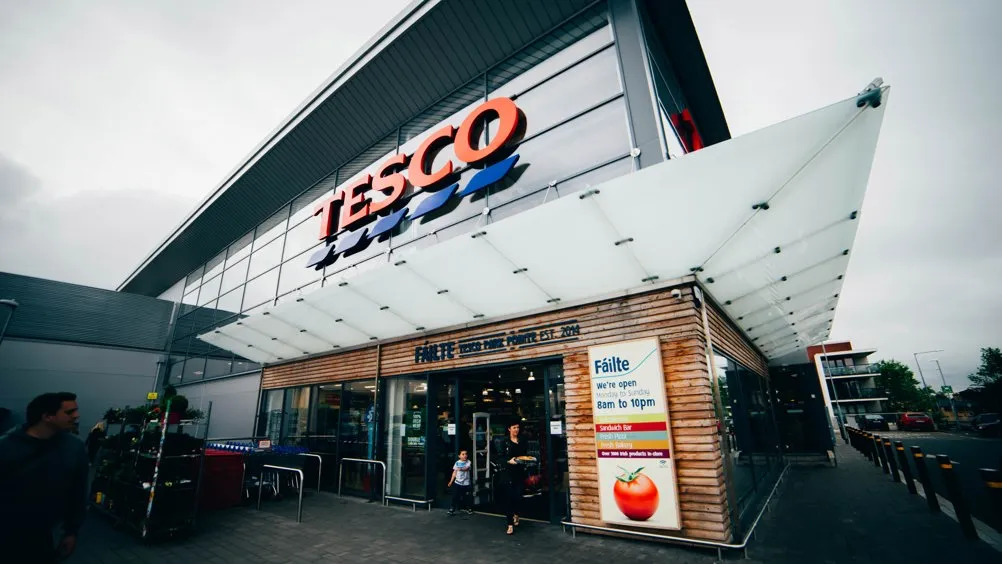
The upcoming Tesco equal pay tribunal in Reading, UK, is poised to become a significant milestone for equal pay claims across the retail sector. With over 60,000 workers involved, the case could cost Tesco billions if the ruling favors the claimants.
Until now, Tesco maintained a clear distinction in pay between store staff and distribution center workers. The company justified this disparity by citing market rates and operational needs. However, this rationale has been challenged by claimants who argue that it reflects an unacceptable gender pay gap—predominantly affecting female workers.
As the tribunal date approaches, the stakes have never been higher. The claimants allege that Tesco’s defense hinges on its commercial interests rather than any lawful justification. They contend that Tesco had control over its pay structures and should be held accountable for the resulting inequality.
Key facts about the case:
- The tribunal will hear claims involving over 60,000 shop workers.
- The claim seeks six years of back pay covering 2012 to 2018.
- Tesco’s potential liability is estimated at £4 billion, according to Leigh Day.
- The hourly wage difference between shop workers and distribution center staff is £5.50.
Experts suggest that a ruling against Tesco could instigate broader changes across the retail sector. Paula Lee from Leigh Day stated, “Our clients believe the evidence will show that there is no lawful justification for continuing to pay predominantly female store workers less for work of equal value.” This sentiment echoes growing concerns about systemic pay disparities in industries where women are often underrepresented in higher-paying roles.
Tesco argues that equalizing pay could inflict serious damage on its operations. The company claims that market conditions dictate current wage structures—yet this assertion may not hold up under scrutiny. If found liable, Tesco could face not only financial penalties but also potential industrial action among warehouse staff.
As this case unfolds, it serves as a crucial litmus test for equal pay issues within retail. A judgment is expected later this year, which may set a precedent for future claims across similar sectors.