Introduction
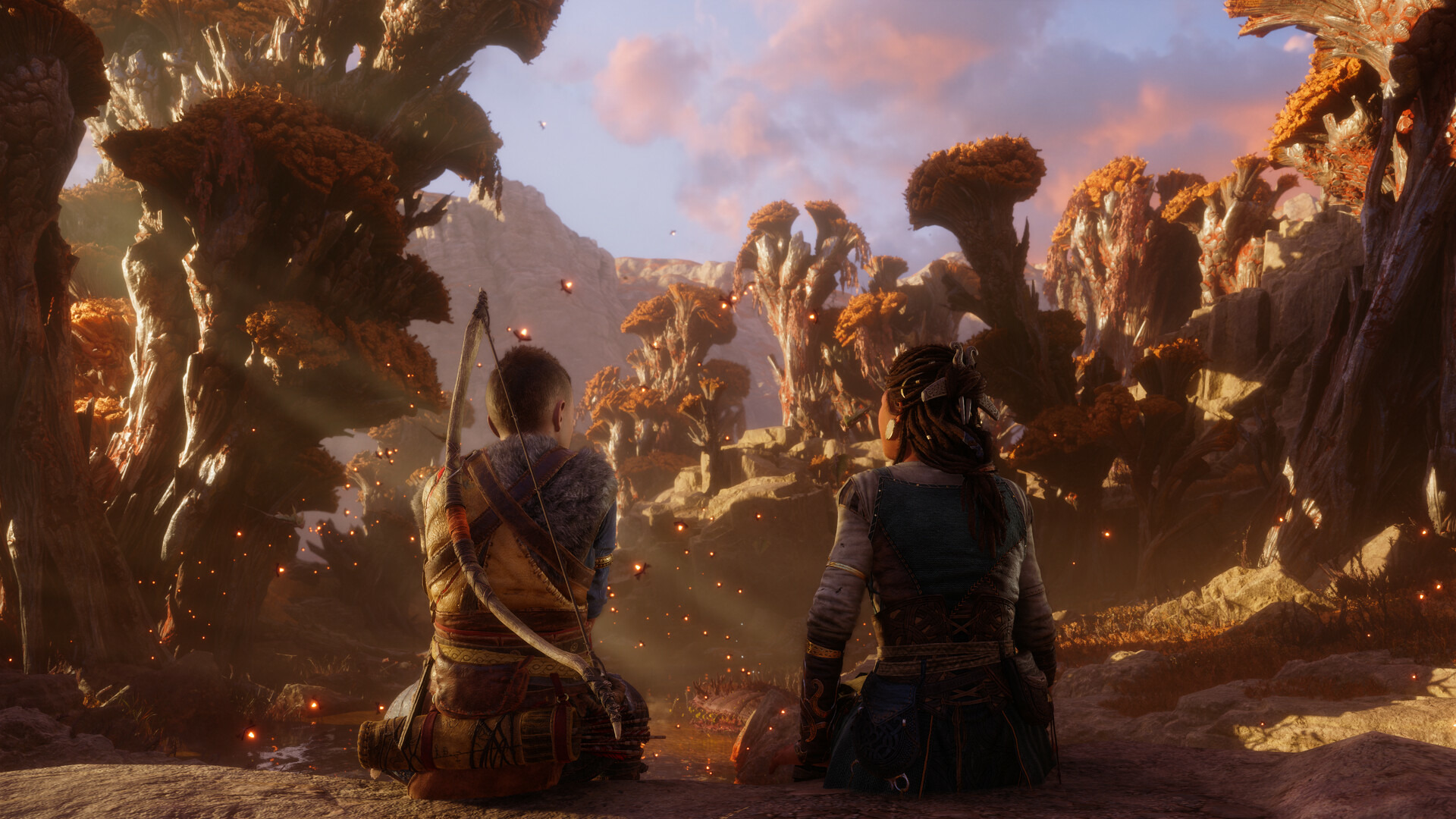
Since its debut in 2005, the God of War franchise has grown to become one of the most influential and revered in the gaming industry. Developed by Santa Monica Studio and published by Sony Interactive Entertainment, this action-adventure series has continually pushed the boundaries of storytelling, gameplay mechanics, and visual design. With its recent entries receiving critical acclaim, God of War remains a significant topic of discussion among gamers and enthusiasts alike.
History and Evolution
The original God of War was launched on PlayStation 2 and introduced players to the anti-hero Kratos, a Spartan warrior seeking vengeance against the gods of Olympus. The game’s blend of visceral combat, intricate puzzles, and engaging narrative quickly garnered a large fanbase, leading to several sequels and spin-offs across multiple PlayStation consoles.
In 2018, a notable reinvention of the franchise occurred with the release of God of War for the PlayStation 4. This entry marked a departure from the previous hack-and-slash style, focusing more on story-driven gameplay and character development. Set in Norse mythology, it showcased Kratos’ journey as a father while exploring themes of loss, redemption, and the weight of one’s past actions. The game received numerous awards, including Game of the Year at The Game Awards 2018, further solidifying its place in gaming history.
Current Developments and Future Prospects
The franchise continues to evolve, with the release of God of War Ragnarök in November 2022. This sequel expanded upon the groundwork laid by its predecessor, introducing new gameplay mechanics and expanding the narrative universe. Fans eagerly anticipate further developments to the series, especially following the success of Ragnarök, which has set the stage for potential new adventures and character arcs.
Moreover, the impact of the God of War series extends beyond gaming. Its rich narratives and character depth have inspired discussions about storytelling in video games and their cultural significance. As the industry evolves, the blend of narrative and gameplay seen in God of War serves as a benchmark and a source of inspiration for developers worldwide.
Conclusion
The God of War franchise is not just a series of games; it is a cultural phenomenon that has redefined expectations within the gaming landscape. As the series continues to progress, it remains an essential focal point for both fans and critics, offering insights into the evolving nature of interactive storytelling. Looking ahead, the potential for further expansion of Kratos’ world promises exciting opportunities for future ventures in the realm of video games.