Introduction
Live Aid, held on July 13, 1985, is celebrated as one of the most significant charity concerts in history. Organised by Bob Geldof and Midge Ure, the event was a response to the devastating famine in Ethiopia and sought to raise funds and awareness. As music icons united for a common cause, Live Aid remains relevant today as an example of the power of music to instigate change.
The Concert Itself
Live Aid took place simultaneously at Wembley Stadium in London and John F. Kennedy Stadium in Philadelphia. The event featured an array of famous artists including Queen, U2, David Bowie, and Elton John, among others. Over 75 performances took place across both venues, entertaining an estimated global audience of 1.5 billion people. This unprecedented reach highlighted the potential of music as a platform for advocacy and led to significant fundraising efforts, ultimately raising more than £150 million for famine relief.
The Impact and Legacy of Live Aid
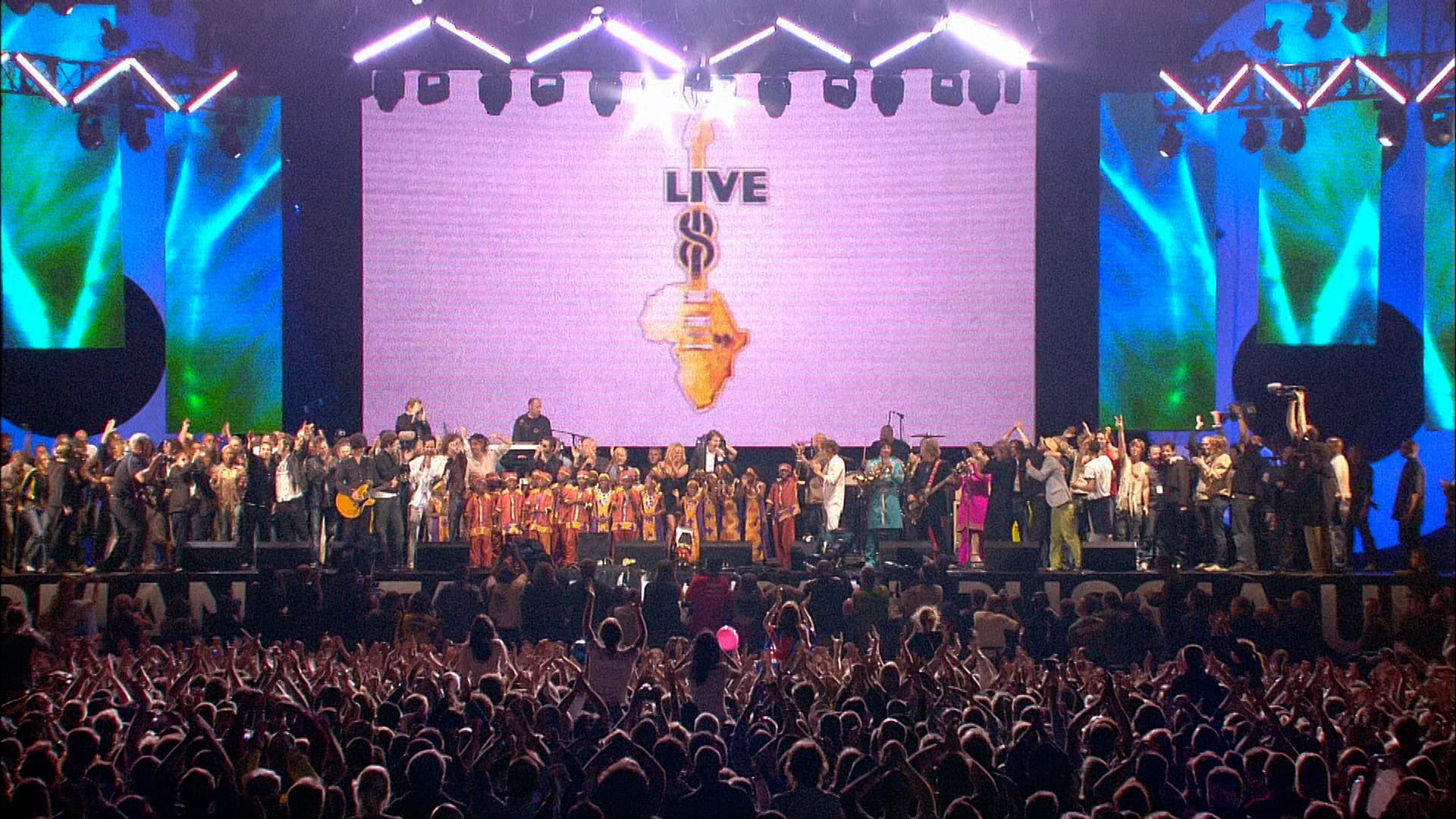
Following the concert, the immediate impacts were evident. The money raised provided food, medical supplies, and support for the affected populations in Ethiopia. Live Aid not only garnered substantial financial aid but also initiated a global dialogue on poverty and human rights, inspiring subsequent benefit concerts like Live 8 in 2005, aimed at raising awareness around poverty in Africa.
Additionally, the concert had a lasting effect on the music industry, illustrating how artists could leverage their popularity for social change. Many musicians have since used their platforms to advocate for various causes, with Live Aid serving as a model for philanthropic initiatives within the entertainment sector.
Conclusion
Live Aid set a precedent for future charity events but also emphasised the ongoing need for humanitarian assistance. As current global challenges persist, the legacy of Live Aid serves as a reminder of the influence and responsibility artists have in addressing societal issues. The event is a testament to collective action – reminding us that through collaboration, empathy, and creativity, we can make a significant impact. As music evolves, the lessons from Live Aid remain relevant, encouraging future generations to harness the power of music for meaningful change.