Introduction
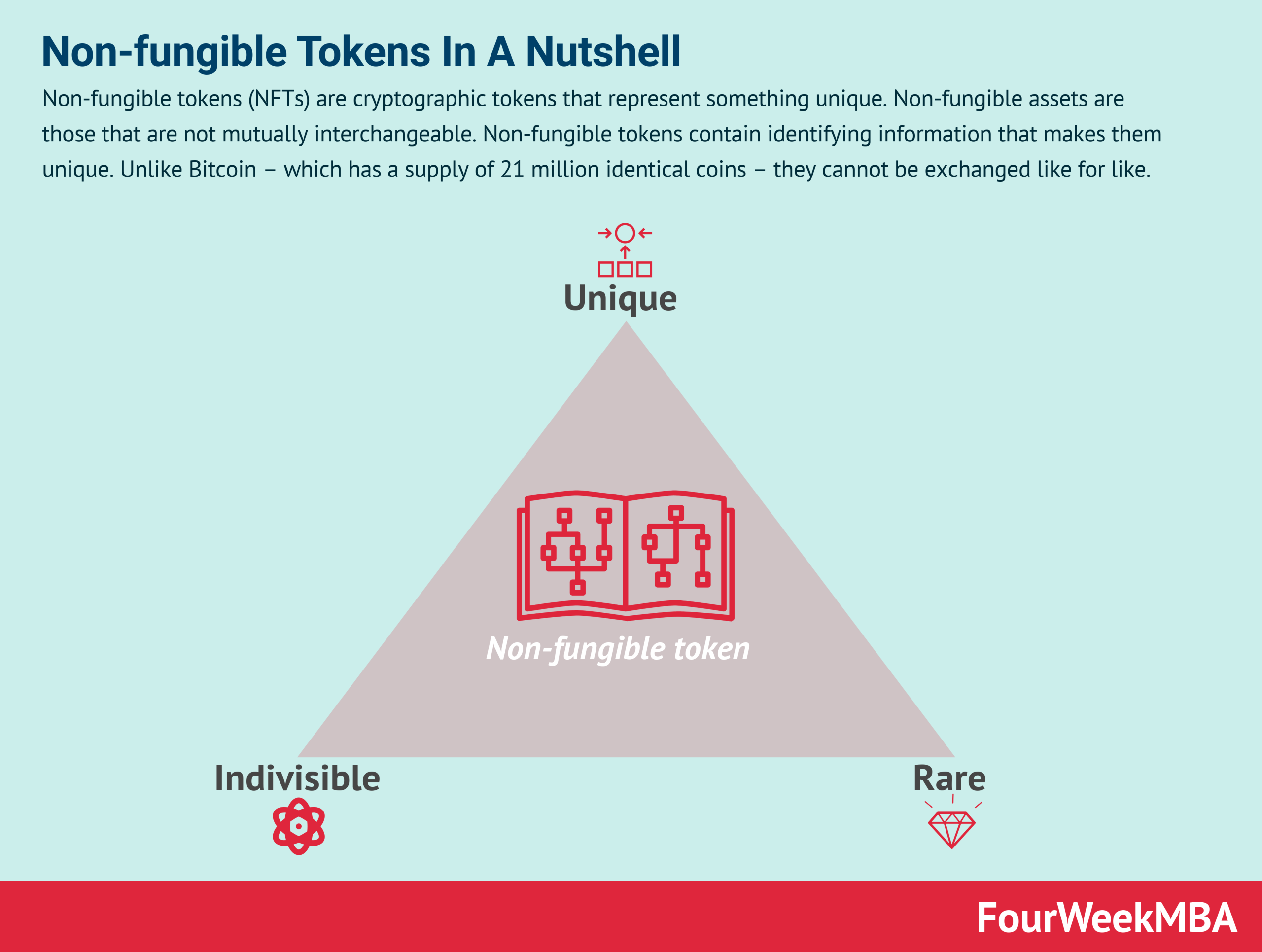
Non fungible tokens (NFTs) have emerged as a revolutionary concept in the digital economy, fundamentally altering how individuals and businesses perceive ownership and value. Unlike cryptocurrencies such as Bitcoin, which are interchangeable, NFTs represent unique digital assets that can embody anything from artwork to virtual real estate. Their rise has garnered considerable attention in recent years, especially with the mainstream acceptance in the realms of art, gaming, and entertainment.
The Boom of NFTs
The NFT market has seen exponential growth, with sales reaching over $2 billion in the first quarter of 2021 alone. Major auction houses like Christie’s and Sotheby’s have facilitated sales of high-profile NFTs, demonstrating the cultural significance and monetary potential they hold. On platforms like OpenSea and Rarible, digital artists have the ability to tokenize their works, ensuring that creators are compensated for their output through royalties on secondary sales.
One noteworthy example includes the sale of a digital artwork by Beeple, which fetched an astounding $69 million at a Christie’s auction, highlighting the newfound legitimacy of digital art in the collector’s market. The influx of celebrities entering the NFT space has also amplified public interest, making NFTs increasingly mainstream.
Challenges and Opportunities
Despite their rapid ascent, the NFT landscape is not without challenges. Issues surrounding copyright, environmental concerns related to blockchain energy consumption, and market volatility are significant factors that potential investors and creators need to consider. Moreover, as NFTs become more popular, regulatory scrutiny is anticipated, with various governments looking into how to create frameworks to manage this new digital marketplace.
On the upside, NFTs provide unique opportunities for creators, enabling them to foster closer connections with their audiences. They empower artists to maintain some control over how their work is distributed and monetized. Additionally, there’s increasing interest in expanding NFT applications beyond just art, with possibilities in gaming, real estate and ticketing.
Conclusion
As we look to the future, the significance of non fungible tokens in the digital ecosystem is undeniable. They not only represent a shift in ownership and creativity but also pose questions about the future of value and interaction in the digital realm. For readers, staying informed on NFT developments will be crucial, as these assets continue to gain traction and potentially reshape financial markets and cultural norms worldwide.