Key moments
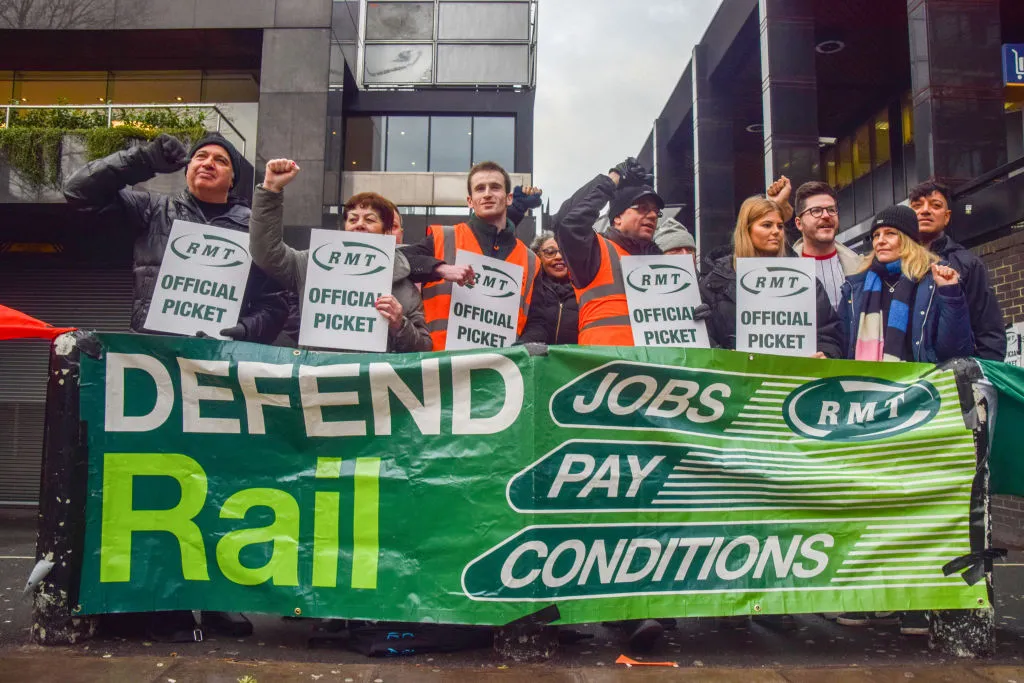
The RMT union has announced that staff on the London Underground will strike six times across 12 days in March, April, and May, starting with the first walk-out on March 24. This decision comes in response to the introduction of a ‘compressed four-day working week’ for tube drivers, which has raised significant concerns among union members regarding fatigue, safety, and work-life balance.
The planned strike days are scheduled for March 24-25, March 26-27, April 21-22, April 23-24, May 19-20, and May 21-22. The strikes are expected to last over a three-month period, during which the RMT union aims to address the dissatisfaction among its members regarding the new working conditions.
While drivers belonging to ASLEF are not participating in the strikes, the impact on the London transport network could still be significant. Previous strikes have shown that travel disruption in the capital can dramatically reduce demand for bars and restaurants, with hospitality bookings falling by as much as 67% during a previous Tube strike in September 2025. This time, the first strike day coincides with a Women’s Champions League quarter-final match at the Emirates Stadium, which is expected to draw around 30,000 attendees.
The potential economic impact of these strikes is considerable, with estimates suggesting that London venues could face losses of up to £110 million in trade. The RMT general secretary, Eddie Dempsey, expressed that the proposals from London Underground are unacceptable, stating, “London Underground is trying to force through major changes to working patterns that have already been rejected by our members.”
Despite the looming strikes, Transport for London (TfL) has yet to publicly comment on the situation. Dempsey has indicated that there is still time for a negotiated settlement, saying, “There is still time for London Underground to come up with a workable solution but we will take strike action if we cannot get a negotiated settlement.”
Since last September’s hugely disruptive tube strikes, London’s rail network has not been entirely strike-free. The ongoing tensions between the RMT union and TfL reflect broader issues within the transport sector regarding working conditions and employee rights.
As the situation develops, the response from both the public and officials will be closely monitored. The RMT union has made it clear that they feel compelled to take action due to the lack of satisfactory outcomes in negotiations, with Dempsey stating, “Despite our best efforts over many months, no satisfactory outcome has been reached so we have no choice but to call strike dates.” Details remain unconfirmed regarding any potential resolutions before the strikes commence.