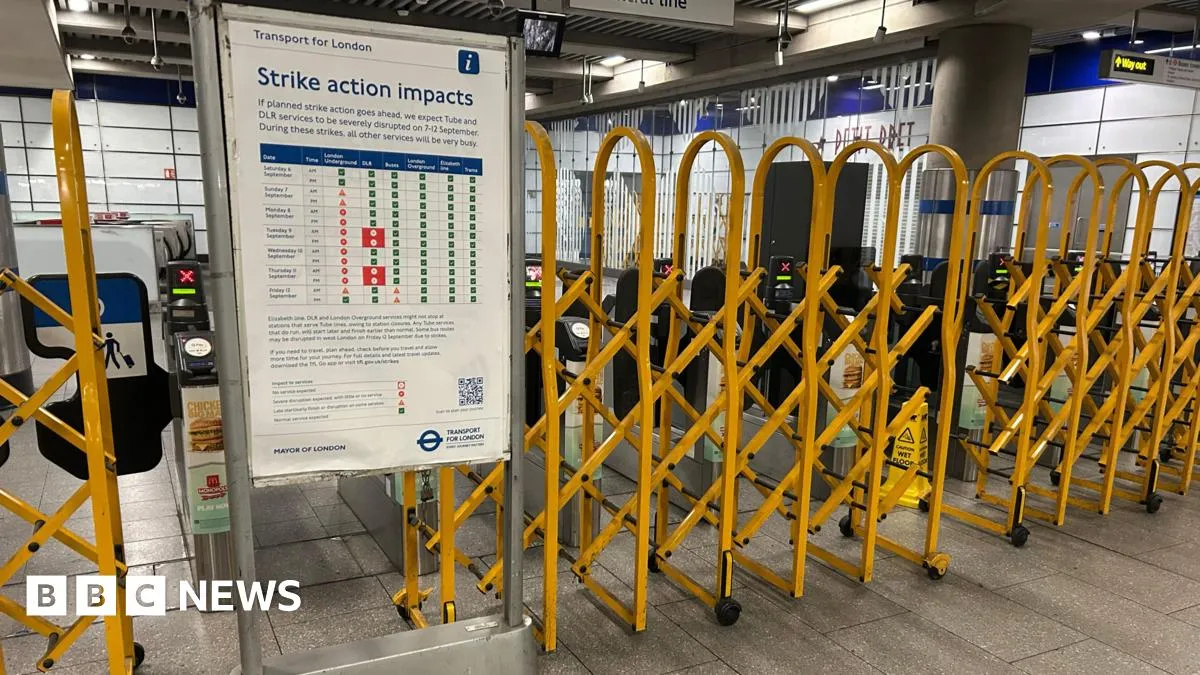
What are the upcoming tube strikes about?
Tube strikes are set to begin in London as members of the RMT union oppose significant changes to working patterns proposed by Transport for London (TfL). The first of these 24-hour strikes is scheduled for March 24-25, with additional strikes planned on March 26, April 21, April 23, May 19, and May 21.
Who is involved and what are the concerns?
The RMT, which represents about 1,800 tube drivers—approximately 40% to 50% of those working on the tube—has raised serious concerns regarding the introduction of a ‘condensed’ four-day working week. RMT General Secretary Eddie Dempsey stated, “London Underground is trying to force through major changes to working patterns that have already been rejected by our members.” The union argues that these changes could lead to issues related to fatigue, safety, and work-life balance.
In contrast, the train drivers’ union, Aslef, supports TfL’s proposal for a four-day week, which was shared with trade unions last year. A TfL spokesperson emphasized that these changes aim to improve reliability and efficiency without incurring additional costs.
What has happened previously?
This is not the first time the RMT has taken action against TfL’s proposals. The union staged a week-long strike last September across the London Underground, advocating for a reduction in the length of the working week. The ongoing tensions reflect the broader challenges in balancing operational efficiency with employee welfare.
What comes next?
As the planned strikes approach, the situation remains fluid. Transport for London has described the strikes as “completely unnecessary,” indicating a potential for further negotiations or adjustments. Details remain unconfirmed regarding any last-minute changes or resolutions that might arise before the strikes commence.