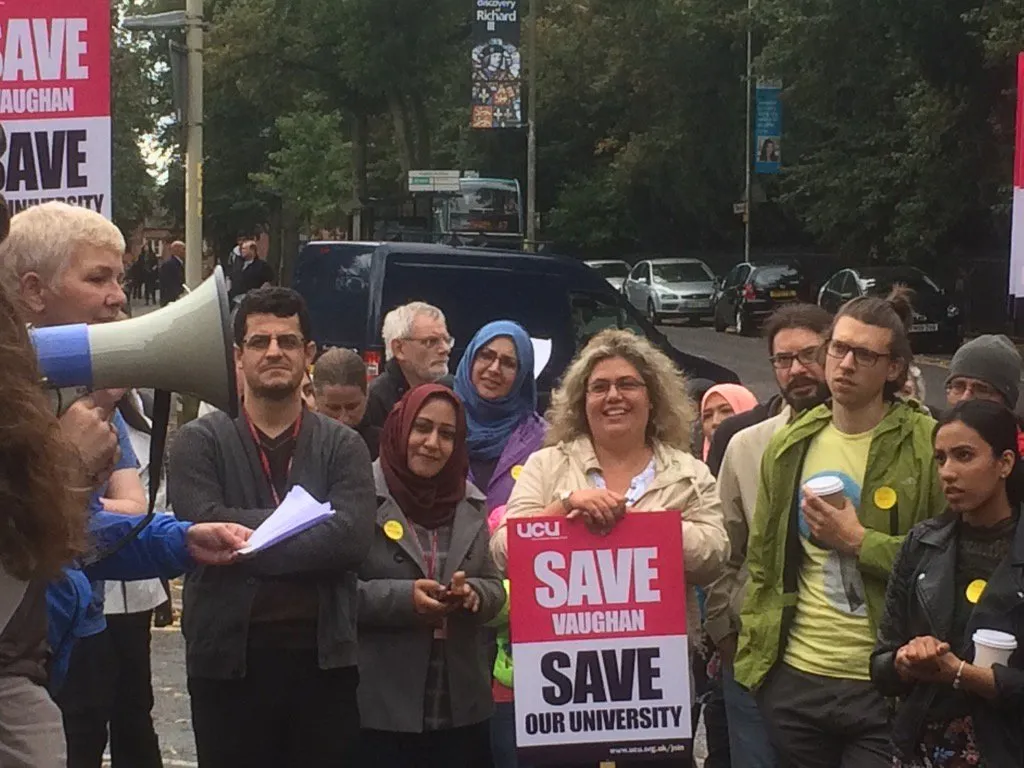
In a significant development for higher education, the University of Leicester has confirmed the closure of its Modern Languages and Film Studies departments as of March 23, 2026. This decision comes after a year-long strategic review and has immediate implications for nearly 300 prospective students whose UCAS offers have been rescinded mid-admissions cycle.
The closures are expected to put at least 17 academic jobs at risk, raising concerns about the future of language education in the region. Current students will be allowed to complete their degrees by 2029, but the long-term impact on the academic community remains to be seen.
This decision is part of a broader trend in UK higher education, where financial pressures are forcing universities to prioritize courses with higher enrollment. The University of Leicester is not alone in this; similar closures have occurred at other institutions, such as De Montfort University, which shut down its language department a few years ago.
Dr. Joseph Choonara, a faculty member, noted, “We’ve been fighting against this for many months now so it wasn’t surprising to hear they are going through with it.” The sentiment among faculty is one of frustration and resignation, as many feel they were not given a fair chance to prevent these closures.
Maite Usoz De La Fuente, another faculty member, expressed concern about the implications for language education in the East Midlands. She stated, “In the East Midlands, if Nottingham University closes their course as well as they plan to, there will be nowhere in the East Midlands to study language at a degree level.” This could lead to a significant educational gap in the region.
Furthermore, the UCU has coordinated 28 days of industrial action since the start of the 2025/26 academic year, highlighting ongoing tensions between faculty and administration over job security and course offerings.
As the university moves forward with these closures, further reviews are underway in other departments, including Chemistry, Geography, Geology, and Environment, suggesting that more changes may be on the horizon.
The impact of these closures will likely resonate beyond the immediate academic community, affecting prospective students and the regional educational landscape.
Details remain unconfirmed regarding the full scope of future departmental reviews and their potential outcomes, leaving many in the university community anxious about what lies ahead.