The Vietnam War: A Historical Perspective
The Vietnam War was marked by significant public disapproval and protests against U.S. military involvement. This conflict, which spanned from the late 1950s to 1975, saw the United States engage in a controversial military campaign aimed at preventing the spread of communism in Southeast Asia. The war’s impact was profound, leading to a reevaluation of U.S. foreign policy and military strategy.
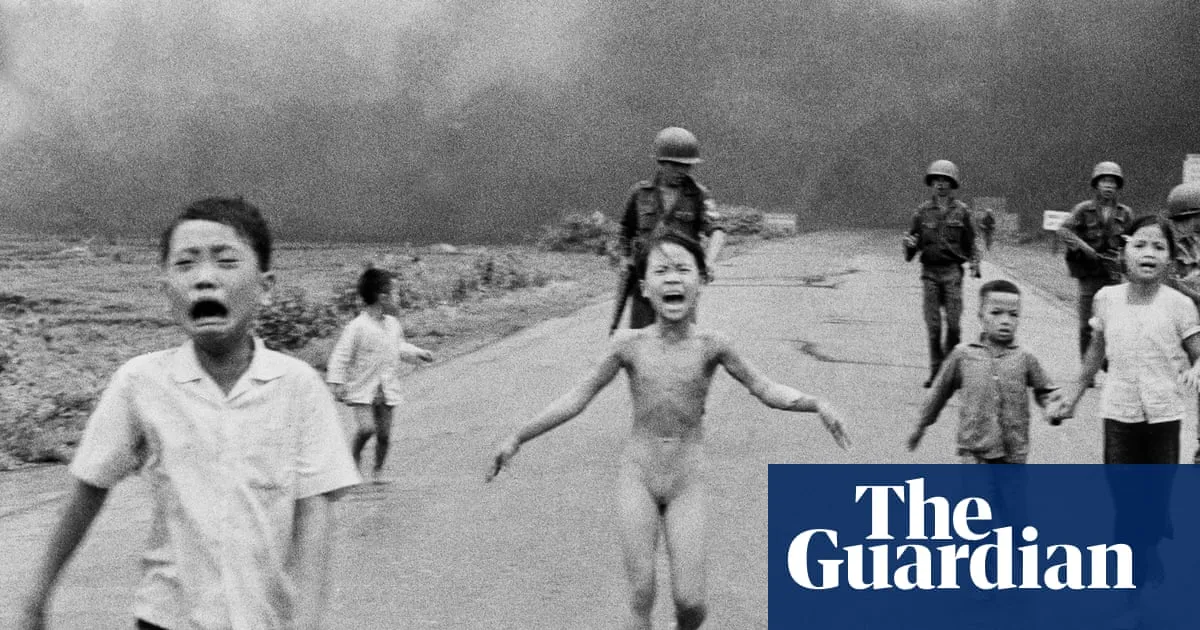
One of the most iconic images from the Vietnam War is the photograph known as ‘Saigon Execution,’ taken by Associated Press photographer Eddie Adams on February 2, 1968. This image captured the brutal reality of the conflict and contributed to the growing anti-war sentiment in the United States. The photograph was seen by over 20 million viewers on NBC, highlighting the power of media in shaping public perception.
As the war progressed, the U.S. military abandoned its original objective of ‘winning hearts and minds.’ Instead, strategies such as the body count approach became prevalent, leading to the dehumanization of Vietnamese people. Lt. Gen. Robert Gard Jr. remarked, “If body count is your measure of success, then there’s a tendency to count every body as an enemy soldier.” This mentality contributed to tragic events such as the My Lai Massacre, which occurred on March 16, 1968, resulting in the murder of 500 innocent civilians.
The Kent State shootings on May 4, 1970, further exemplified the domestic turmoil surrounding the Vietnam War. During a protest against the invasion of Cambodia, Ohio National Guard troops fired 67 shots into a crowd of students, killing four and injuring 28. This incident galvanized public opposition to the war and highlighted the tensions between the government and citizens.
Public disapproval of the Vietnam War ultimately led to its conclusion, as many Americans questioned the cost in lives lost and taxpayer money spent. The war’s legacy continues to influence U.S. military and foreign policy, as well as public discourse on military engagement.
In recent years, parallels have been drawn between the tactics used during the Vietnam War and current immigration enforcement strategies. Critics have noted that the Trump administration’s quota of 3,000 arrests of undocumented immigrants a day resembles the body count mentality of the Vietnam era. Roseann ‘Chic’ Canfora stated, “There is an eerie parallel between what Nixon did to brand our anti-Vietnam War movement as something organized by communists and what we’re seeing here with Trump’s claims that any anti-Trump, immigration or pro-democracy protest is secretly funded by George Soros or part of Antifa.”
As the discussion surrounding the Vietnam War continues, observers and officials reflect on its implications for contemporary society. The historical lessons learned from this conflict remain relevant as the U.S. navigates complex issues related to military engagement and civil rights. Details remain unconfirmed as new perspectives emerge on the war’s enduring impact.