Scotland Introduces Water Cremation
Starting today, Scotland has officially become the first country in the UK to allow water cremation, following the approval of regulations by the Scottish Parliament. This innovative method, also known as alkaline hydrolysis, was introduced by the Scottish Government and is seen as a significant step towards environmentally friendly funeral practices.
Public Health Minister’s Remarks
Jenni Minto, Scotland’s public health minister, stated, “Hydrolysis offers a new, environmentally friendly alternative to burial or cremation, responding to significant public support for greater choice, and it will be the first new option available for over 120 years.” This reflects a growing demand for more sustainable funeral options.
Understanding the Process
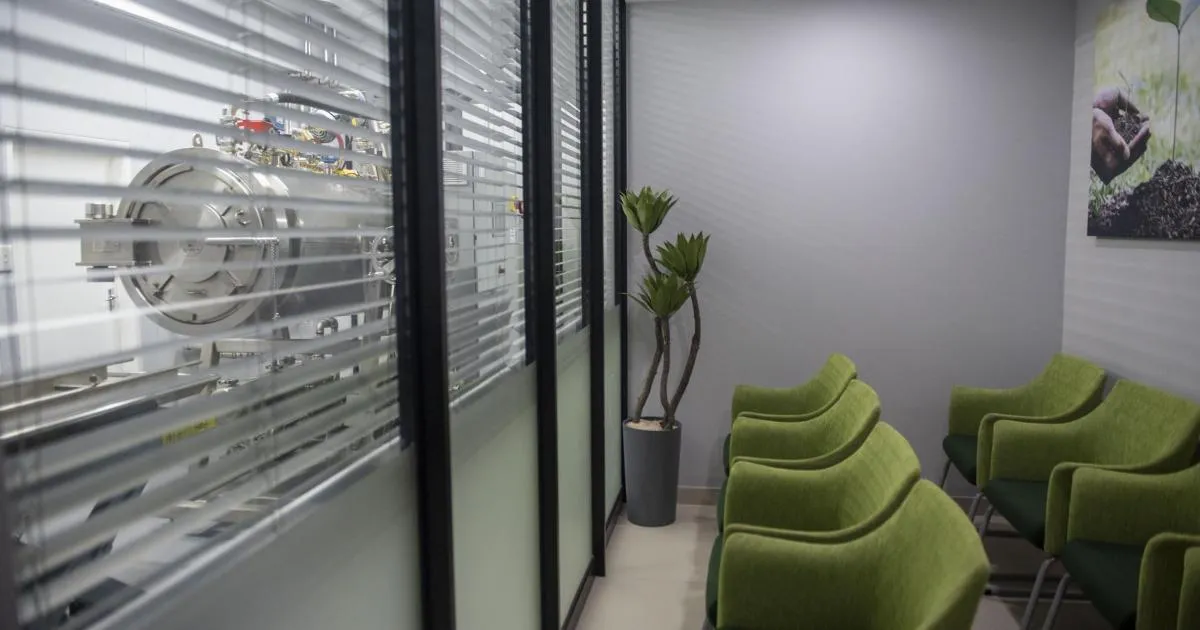
In this process, the deceased is placed in a sealed metal chamber, wrapped in a biodegradable shroud, and immersed in a mixture of water and chemicals. Unlike traditional cremation, there are no flames involved, and the process is described by advocates as a gentler way to handle mortal remains.
Timeline for Implementation
If all goes according to plan, Scotland could see its first water cremations within a few months. The Resomator machine, essential for this process, is already in use in several countries and could soon be operational in Scotland.
Regulatory Approval
In January, the Health, Social Care and Sport Committee of the Scottish Parliament approved the introduction of water cremation, moving Scotland closer to being the first UK nation to adopt this method. Local authorities and funeral directors interested in offering this service will need to navigate the planning process and obtain necessary consents from Scottish Water.
Potential Impact on Funeral Services
The introduction of water cremation could revolutionize the funeral industry in Scotland, allowing funeral directors to install the necessary equipment on their premises. This could eliminate the reliance on traditional cremation or burial services, aligning with the growing trend of direct cremation, which often excludes the typical funeral service and associated costs.
Environmental Considerations
While water cremation is praised for being a greener alternative to traditional cremation, it also raises questions about the disposal of liquid remains. Advocates argue that the sterile liquid, which contains no tissue or DNA, can be safely discharged into the sewage system or even used as fertilizer for crops. This aspect, however, may be unsettling for some.
Safety and Regulations
Reassurances have been provided that harmful materials will not enter the water system, and the process effectively neutralizes prions associated with certain diseases. Helen Chandler, general manager of Kindly Earth, emphasizes that the equipment will be subject to strict regulatory oversight to ensure safety and compliance.
The Vision Behind Water Cremation
The concept of water cremation was pioneered by Glasgow-born biochemist Sandy Sullivan, who recognized its potential for human remains disposal. His invention, the Resomator machine, has already been implemented in various countries, including the US and Canada, where it has gained acceptance.
Public Reception and Future Prospects
Public interest in water cremation appears strong, with a recent consultation indicating that 84% of respondents supported its introduction. Funeral directors like Andrew Purves from William Purves Funeral Directors have noted that some families are already considering this option in their funeral plans.
Conclusion
As Scotland prepares to embrace water cremation, it opens the door to a new era of funeral practices that prioritize environmental sustainability and personal choice. Public Health Minister Jenni Minto assures that this method will not replace traditional burial or cremation but will provide an additional option for families to consider.