Introduction to Phishing
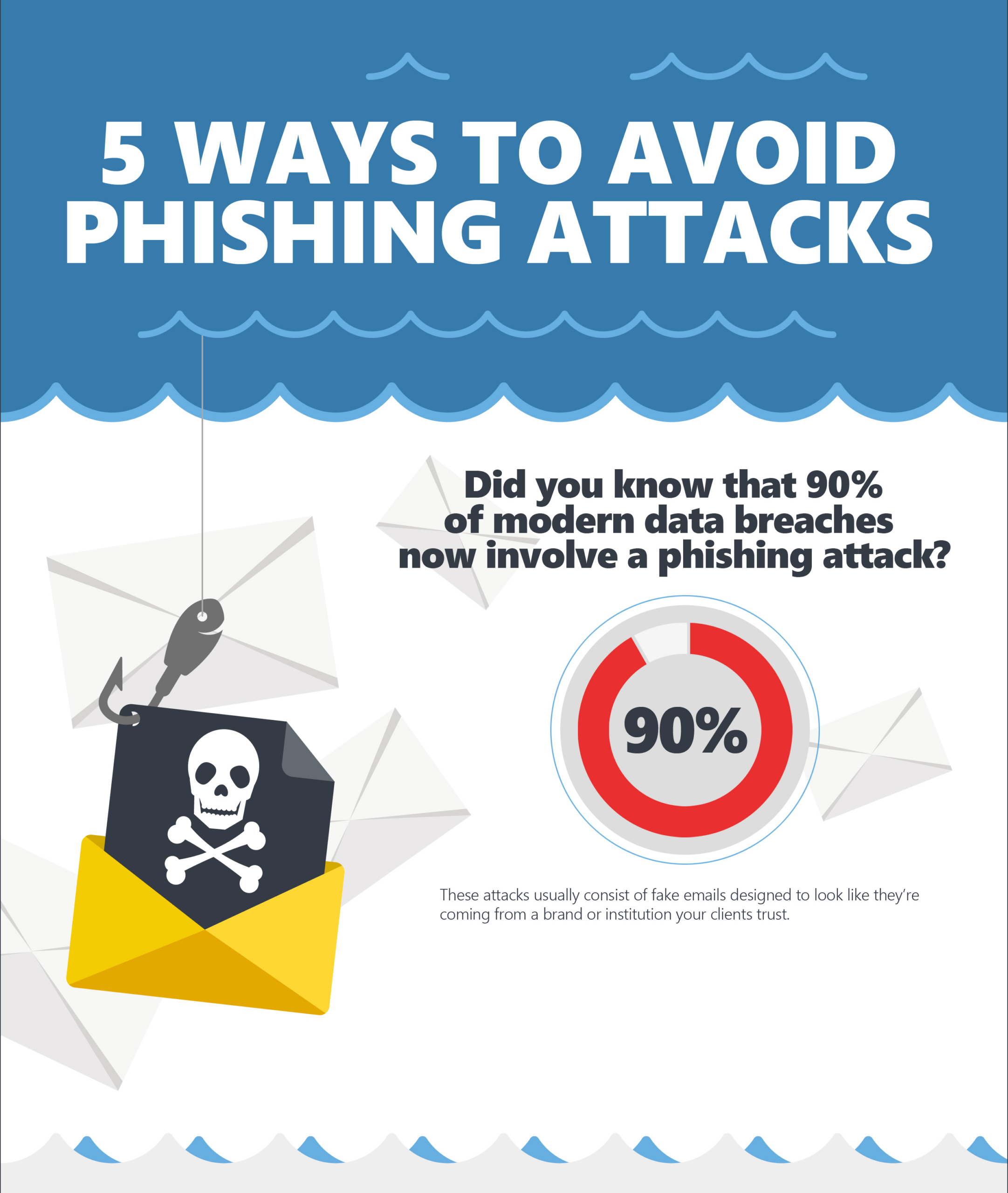
Phishing is a form of cybercrime aimed at obtaining sensitive information from individuals by masquerading as a trustworthy entity. In an era where digital communication is predominant, understanding phishing is essential for protecting personal information and preventing financial loss. As online activity continues to grow, so does the sophistication and frequency of phishing attacks, making this a crucial topic for everyone.
Types and Techniques of Phishing
Phishing attacks typically come in several forms, including:
- Email Phishing: This is the most common method, where victims receive emails that appear to be from legitimate organisations requesting personal information.
- SMS Phishing (Smishing): Attackers send fraudulent text messages to lure victims into providing sensitive data.
- Voice Phishing (Vishing): This involves phone calls from fraudsters pretending to be someone else to request sensitive information.
- Whaling: A targeted phishing attack directed at high-profile individuals, such as executives or senior officials, typically involving greater lengths to make the attack look legitimate.
Recent reports indicate that phishing attacks have been on the rise, with the Anti-Phishing Working Group reporting a record high of over 1.2 million phishing attacks in the first quarter of 2023, showcasing an alarming trend that poses risks to individuals and businesses alike.
Consequences of Phishing Attacks
The repercussions of falling victim to a phishing scheme can be severe. Victims may experience financial loss, theft of personal identity, or unauthorized accesses to sensitive accounts. Moreover, businesses can suffer not only financial setbacks but also reputational damage, as data breaches often lead to loss of customer trust.
How to Protect Yourself from Phishing
Protecting oneself from phishing is a multi-faceted approach:
- Be Skeptical: Always scrutinise emails, texts, and calls asking for personal information. Verify the source before responding.
- Use Security Software: Employing updated security software can help detect and block phishing attempts.
- Enable Two-Factor Authentication: This adds an extra layer of security, making it more difficult for attackers to gain access to your accounts.
- Educate Yourself and Others: Stay informed about the latest phishing scams and share this knowledge with others to promote a safer online environment.
Conclusion
As cyber threats continue to evolve, understanding what phishing is and how to defend against it becomes increasingly significant. By educating oneself about the different phishing techniques and employing effective security measures, individuals and businesses can better protect themselves from these pervasive online threats. Awareness and caution remain the best strategies to combat phishing in today’s interconnected world.