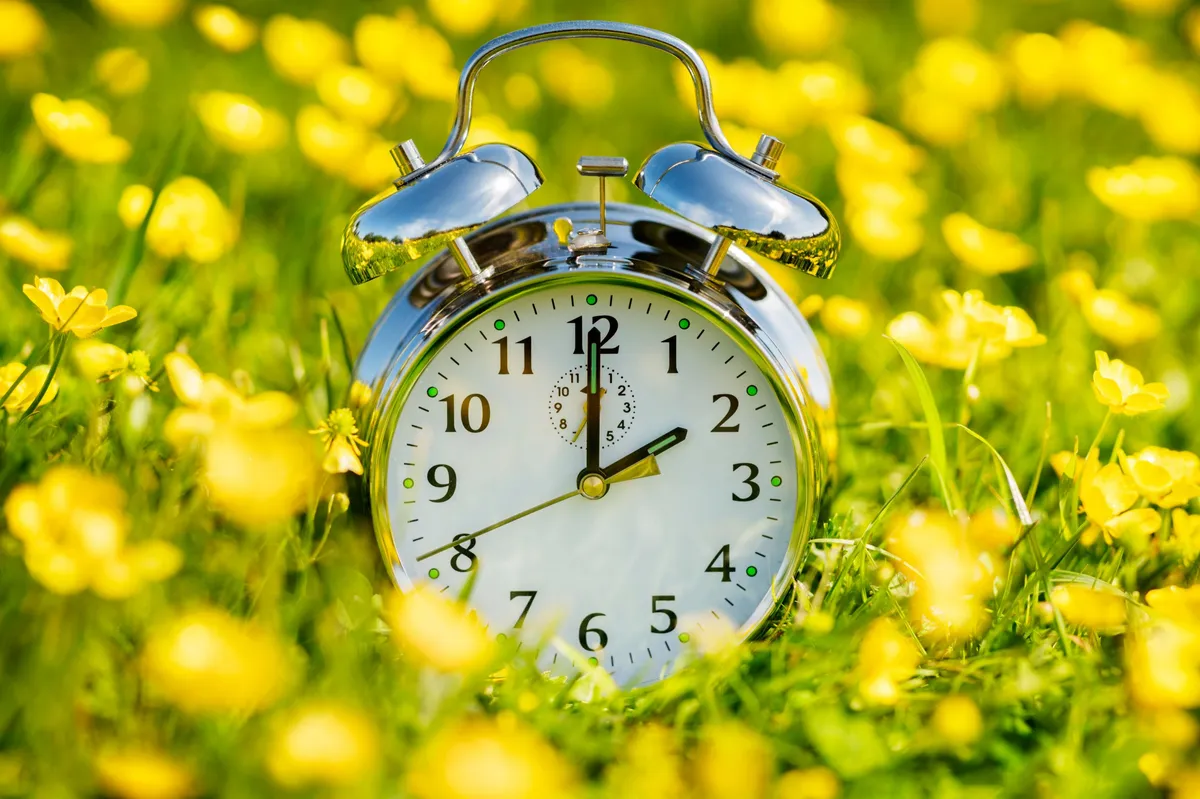
Daylight Saving Time in 2026
Daylight saving time for 2026 starts on Sunday, March 8, at 2 a.m. local time in most of the United States. This annual event marks the moment when most Americans will lose an hour of sleep as they set their clocks forward.
Daylight saving time was first adopted in the U.S. in 1918 during World War I, aimed at conserving fuel. Since then, the practice has evolved, with the start date for daylight saving time being set on the second Sunday of March since 2007. This change resulted in the U.S. beginning daylight saving time a couple of weeks earlier than the UK and Europe.
Current Observations
In 2026, daylight saving time will be in effect for a total of 238 days, concluding on the first Sunday of November, which is November 1. While most states participate in this time change, only two states, Hawaii and Arizona (excluding the Navajo Nation), do not observe daylight saving time.
Public Sentiment and Legislative Action
Recent discussions around daylight saving time have gained traction, with the U.S. Senate passing a bill in 2022 to move to permanent daylight saving time. However, public support for the current system of changing clocks is low, with only about 1 in 10 U.S. adults favoring it. Since 2018, 19 states have adopted laws calling for a shift to permanent daylight saving time, reflecting a growing desire for consistency in timekeeping.
International Comparisons
In the United Kingdom, clocks will go forward at 1 a.m. on the last Sunday in March, which falls on March 29, 2026. This difference in timing highlights the variations in how daylight saving time is implemented across different regions.
Looking Ahead
As the debate over daylight saving time continues, observers are keenly watching legislative developments and public opinion. The push for a permanent change remains a topic of interest, but details remain unconfirmed regarding any future adjustments to the current system.