Who is involved
The anticipation surrounding the World Cup has always been a blend of excitement and expectation. Traditionally, the tournament has been a showcase of the world’s best footballing nations, with a familiar structure that fans have come to know and love. However, as we approach the 2026 World Cup, the landscape is set to change dramatically. Previously, the tournament featured 32 teams competing over a month, but the upcoming edition will expand to include 48 teams, a shift that is poised to redefine the competition.
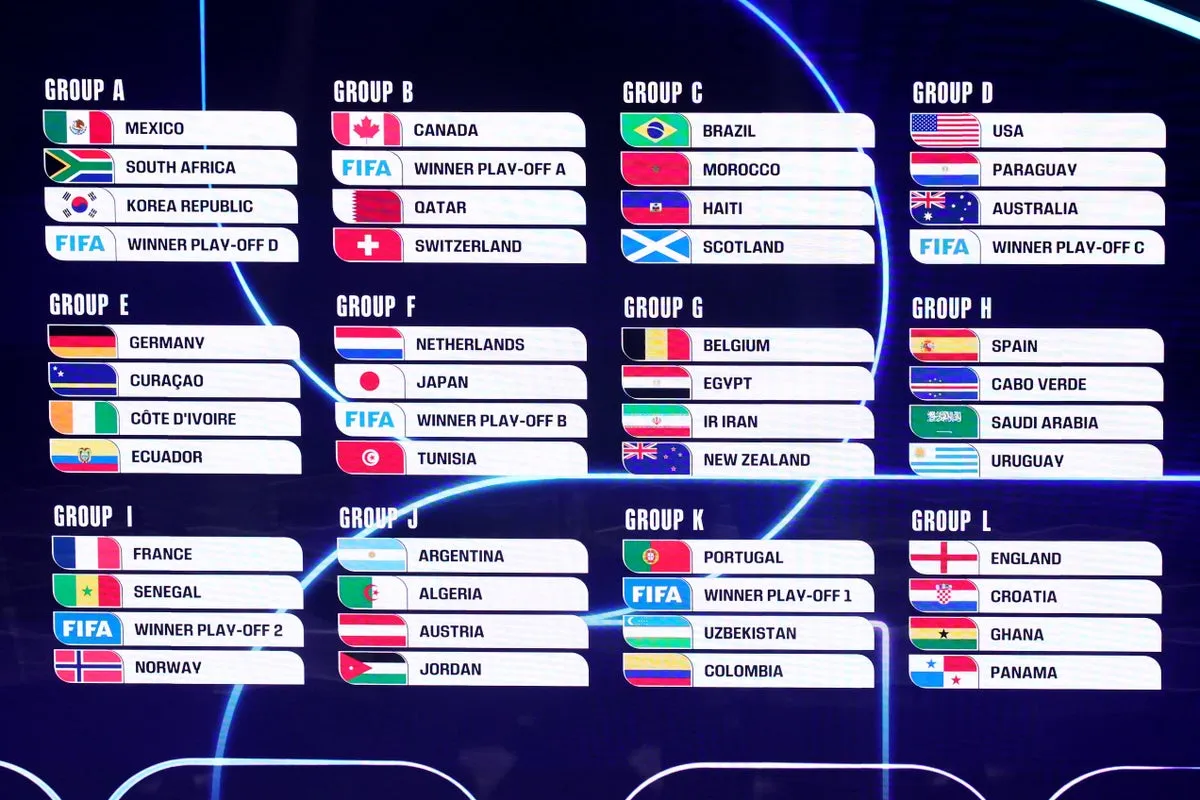
The decisive moment came when FIFA announced the expansion of the tournament format. This change means that the 2026 World Cup will not only feature more teams but will also see an increase in the number of matches played, totaling 104. This is a significant rise from the previous format, which had 64 matches. The tournament will kick off on June 11, 2026, with the opening match between Mexico and South Africa at the historic Estadio Azteca in Mexico City, a venue steeped in World Cup history.
The immediate effects of this expansion are profound. For the first time, the tournament will be hosted across three countries: Mexico, Canada, and the USA. The USA will take on the lion’s share of the hosting duties, with 78 matches scheduled to be played on its soil, while Mexico and Canada will each host 13 matches. This collaborative effort not only enhances the logistical capabilities of the tournament but also allows for a broader celebration of football across North America.
As the groups have been drawn, teams are already strategizing for their matches. For instance, England finds itself in Group L alongside Croatia, Ghana, and Panama, while Scotland will face Brazil, Morocco, and Haiti in Group C. The knockout stage will include the top two teams from each group along with the eight best third-placed teams, adding an extra layer of excitement and unpredictability to the tournament.
Experts have weighed in on the implications of this expanded format. The inclusion of 48 teams means that more nations will have the opportunity to participate, potentially leading to a more diverse representation in the tournament. This could also elevate the level of competition, as teams from traditionally less dominant footballing nations will now have a chance to showcase their talents on the world stage. The historical significance of this change cannot be understated, as it reflects FIFA’s commitment to growing the game globally.
Moreover, the logistical challenges of hosting such a large tournament across three countries are not insignificant. With 16 stadiums being utilized, the coordination required to ensure a seamless experience for fans, players, and officials will be immense. However, the potential rewards in terms of fan engagement and economic impact are likely to be substantial, making it a worthwhile endeavor for the host nations.
As we look ahead to the 2026 World Cup fixtures, the excitement is palpable. The tournament promises to be a celebration of football that is more inclusive and expansive than ever before. While details remain unconfirmed regarding specific match timings and ticketing processes, the groundwork has been laid for what could be a historic event in the world of sports.
In summary, the 2026 World Cup fixtures represent a pivotal moment in football history. With an expanded format, a diverse array of participating nations, and a collaborative hosting effort, the tournament is set to capture the imagination of fans around the globe. As the world gears up for this unprecedented event, one thing is clear: the beautiful game is about to enter a new era.