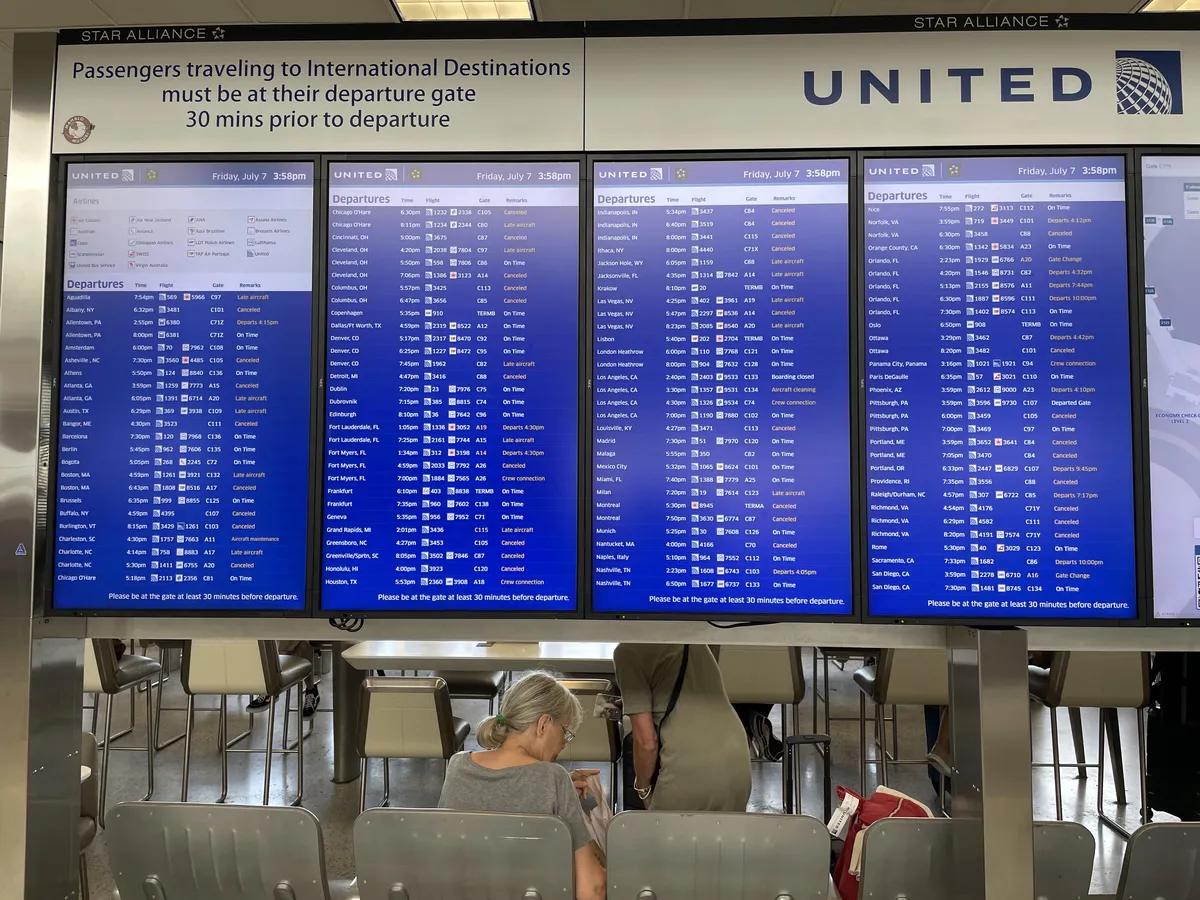
Airlines worldwide are facing unprecedented flight cancellations and operational cutbacks due to soaring jet fuel prices linked to geopolitical tensions. In May alone, airlines cancelled 13,000 flights, impacting millions of travelers during a peak holiday travel period.
The Lufthansa Group announced it will cancel 20,000 flights over the next six months as part of a strategy to manage rising costs. KLM has already scrapped more than 150 European flights, citing that the operations have become financially unsustainable due to escalating kerosene costs. Air Canada is trimming four of its 38 daily flights to New York for similar reasons.
SAS plans to cancel 1,000 flights in April as high oil and jet fuel prices continue to pressure its operations. Spirit Airlines, unable to secure a crucial $500 million bailout from the Trump administration, has announced it is winding down operations altogether, resulting in all flights being cancelled.
The implications of these cancellations are significant—two million airline seats have been cut from May schedules worldwide, leaving holidaymakers facing chaos during what should be a time of relaxation. Steve Heapy, CEO of Jet2, emphasized that “holidaymakers should have every right to book their hard-earned break in the sun, without worrying about being hit with additional costs.”
Michael O’Leary, CEO of Ryanair, warned that several European airlines could face significant financial difficulties if jet fuel prices remain high throughout the summer season. The aviation industry is at a critical juncture; operational viability hangs in the balance as airlines grapple with these soaring costs.
In Nigeria, airlines temporarily suspended a planned nationwide shutdown of flight operations after government intervention—underscoring how governments may need to step in during crises affecting the aviation sector.
The situation remains fluid. Observers are closely watching how airlines will adapt their strategies in response to ongoing fuel surcharges and fluctuating demand amid geopolitical uncertainties.