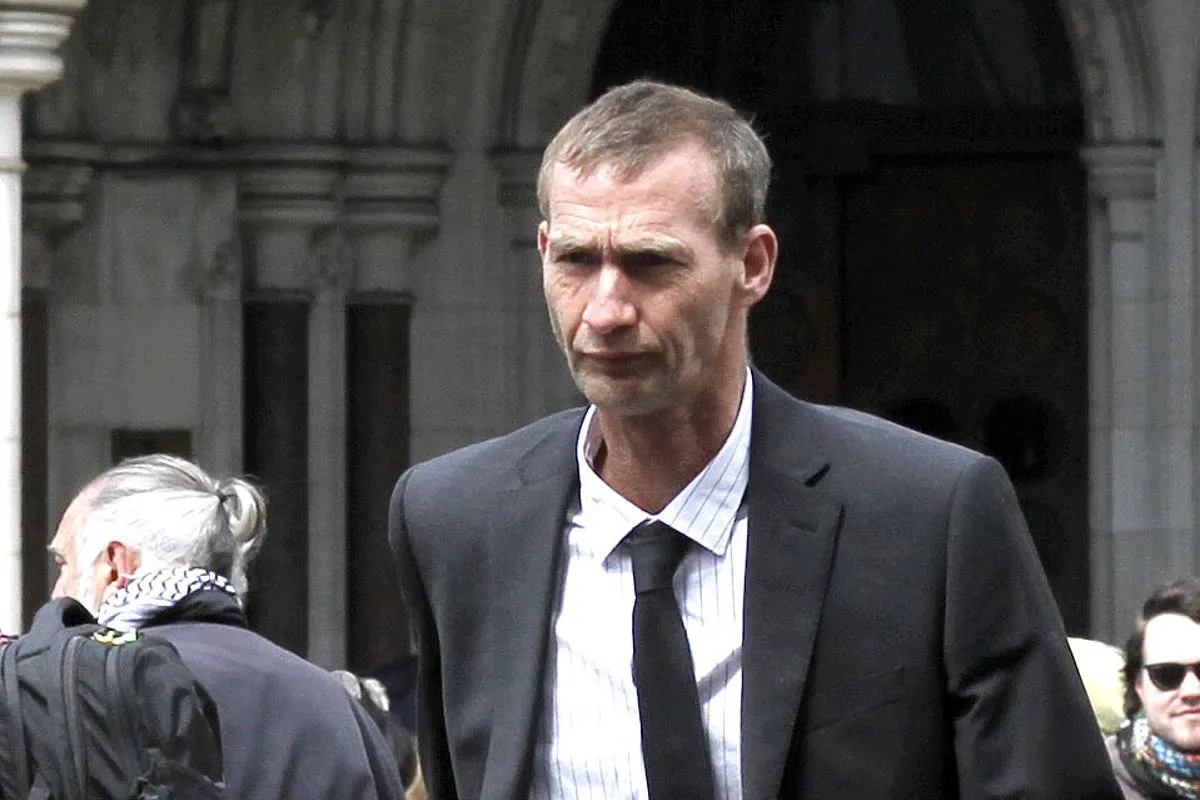
In a striking case unfolding in the High Court, Grant Greening-Steer seeks £5 million in compensation for injuries sustained in a motorbike accident. The incident occurred in June 2019 when a car pulled out in front of his Yamaha, resulting in severe injuries including a fractured spine and a traumatic brain injury.
However, recent developments complicate his claims. Surveillance footage allegedly shows Greening-Steer walking normally, contradicting his assertions that he struggles with daily tasks and requires a mobility scooter. His defense argues that the true value of his claim should be assessed at just £112,022 instead of the nearly £5 million he seeks.
Medical experts have weighed in, with neurosurgeons concluding that Greening-Steer is likely exaggerating his symptoms. Charles Woodhouse KC stated, “His dishonesty has been present from the start of and throughout his claim.” This raises questions about the integrity of personal injury claims and the ethics surrounding them.
Greening-Steer maintains that he cannot walk with a normal gait and experiences significant discomfort. He claimed, “If I sit down for a long period of time, my left foot goes stiff and if I stand for a long time, my leg will spasm.” Yet, the disparity between his statements and the evidence presented raises eyebrows.
The trial continues, with observers keenly watching how this case might set precedents for future personal injury claims. If found fundamentally dishonest, Greening-Steer risks receiving nothing from his claim — a stark reminder of the consequences of perceived malingering.
Key statistics surrounding the case:
- Greening-Steer’s total damages claim includes over £1.8 million for lifetime care and assistance.
- He reported difficulties with manual dexterity, including struggles with buttons and laces.
- The distance he claims he cannot walk without exhaustion is 100 meters; however, he can walk 150 meters now.
This ongoing saga highlights the complexities involved in assessing personal injury claims — where truth can often become obscured by conflicting narratives and evidence.