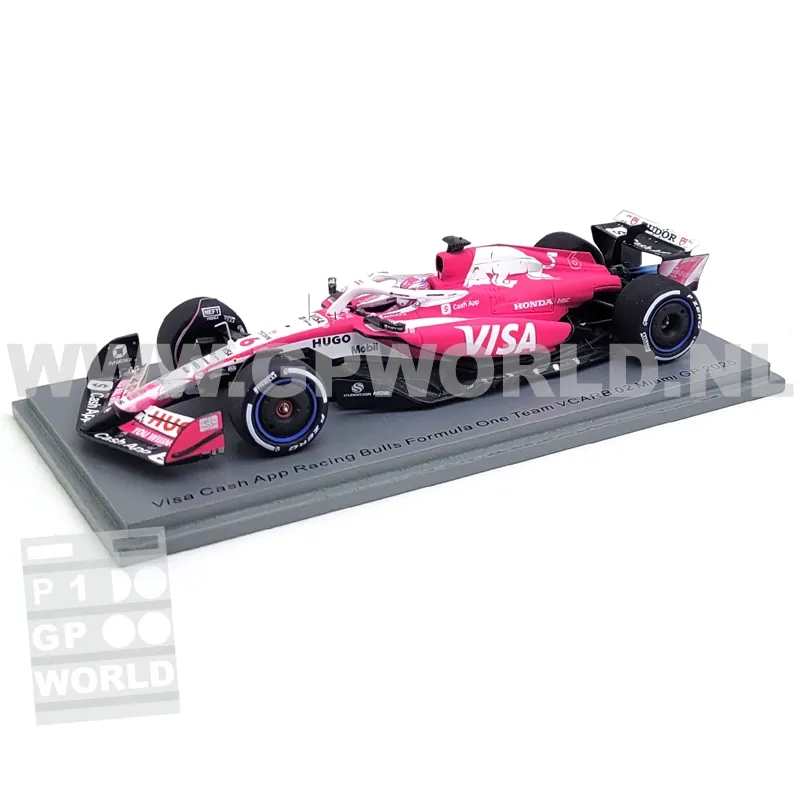
“We made a mistake and we respect the decision of the stewards,” said Red Bull team boss Laurent Mekies, following Isack Hadjar’s disqualification from qualifying at the Miami Grand Prix. The incident underscores a significant technical breach that has altered his race strategy.
Hadjar had originally qualified in ninth position, a commendable feat for the young driver. However, an investigation revealed that his car’s floorboards were protruding 2mm outside the permitted reference volume, leading to his disqualification.
The ruling came after the FIA stewards conducted an inquiry into the matter. Red Bull accepted the findings without contest. Mekies expressed regret but insisted that no performance advantage was intended from this oversight.
As a result of this disqualification, Hadjar will now start the race from the pit lane after necessary changes to his power unit. This shift significantly hampers his chances of a strong finish in what is already a competitive field.
The usual penalty for such violations typically results in disqualification and starting from the pit lane — a rule that aims to maintain fairness within Formula 1 racing. The implications for Hadjar and Red Bull are considerable as they navigate this setback.
In light of this incident, it’s essential to consider how teams manage compliance with FIA regulations. Technical breaches can have far-reaching consequences, not just for individual drivers but for entire teams’ standings in championship battles.
Looking ahead, fans and analysts alike will be keen to observe how Hadjar adapts to this challenge during the race. His ability to recover from this setback could define his season and impact Red Bull Racing’s overall strategy.