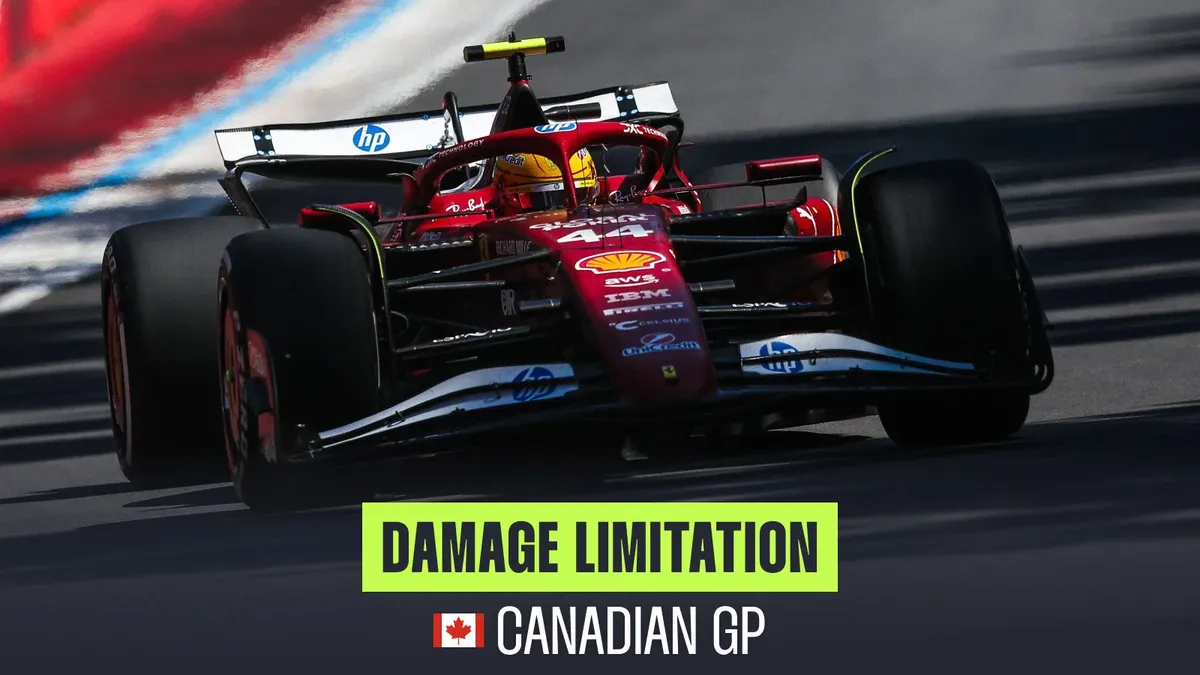
On May 3, 2026, at the Miami Grand Prix, Lewis Hamilton found himself in a challenging position, qualifying sixth. His frustration was palpable—this result underscored his ongoing struggles with Ferrari’s simulator and car setup.
Hamilton’s journey to P6 wasn’t without its improvements; he had managed to cut down his deficit to pole position to just five tenths of a second. However, he still felt uneasy about the outcome. “I don’t feel comfortable in P6, it is not where I want to be, so naturally, I am not happy,” he stated.
Critically, Hamilton pointed to Ferrari’s simulator as a significant factor in his discomfort. He claimed it led him in the wrong direction regarding car setup, suggesting that he might even consider cutting out simulator running altogether—a bold move for a driver of his caliber.
Ferrari introduced eleven upgrades during the Miami Grand Prix weekend, aiming to enhance performance. Yet despite these changes, Hamilton expressed disappointment over his placement. He acknowledged that while there was progress—”It was an improvement… we made lots of changes to the car”—it still fell short of expectations.
Looking ahead to race day, Hamilton remained hopeful. He anticipated that wet race conditions could play in his favor. “I’m confident with the balance that I have today in wet; hopefully we should be in a good place,” he remarked.
This sequence of events matters not just for Hamilton but for Ferrari as well. The team must address these simulator issues if they hope to support their star driver effectively. As rain clouds loom over the Miami Autodrome, both parties are left to ponder how they can turn dissatisfaction into success.