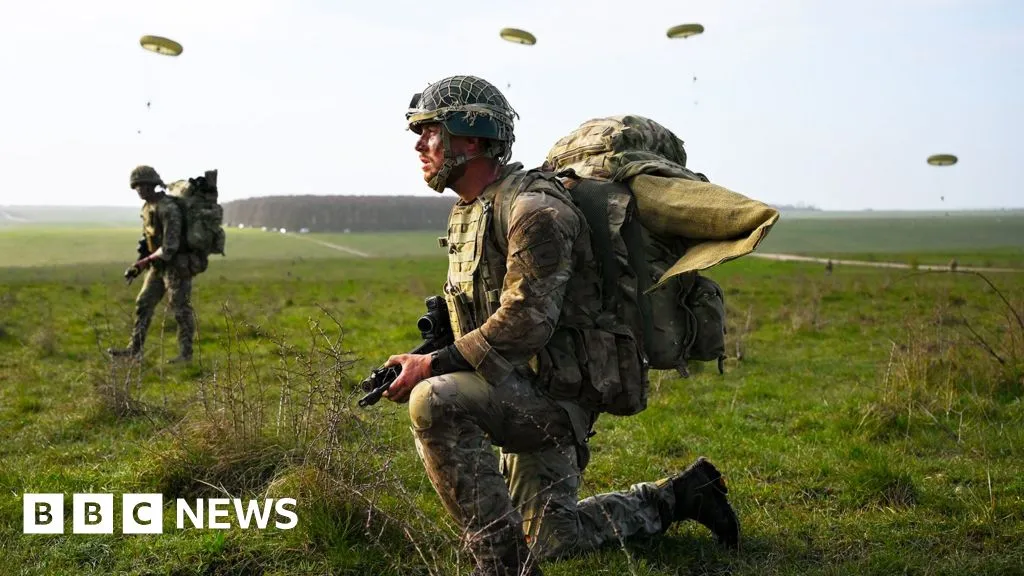
“We are underprepared. We are underinsured. We are under attack. We are not safe,” declared Lord George Robertson, the former NATO Secretary General, as he sounded the alarm on the UK’s national security situation. His stark assessment comes amid growing concerns over the adequacy of the country’s defense spending and strategic readiness.
Robertson’s comments reflect a broader sentiment that Britain is facing unprecedented threats, reminiscent of the Cold War era. He criticized the current government for what he termed a “corrosive complacency” regarding defense funding, suggesting that the political leadership is failing to prioritize national security adequately. This complacency is particularly alarming given that the UK military is grappling with a staggering £28 billion funding gap projected over the next four years.
The UK government has pledged to increase defense spending to 2.5% of GDP by 2027, with plans to escalate this to 3% in the next parliament and 3.5% by 2035. However, Robertson’s concerns highlight a significant disconnect between these commitments and the immediate realities facing the military. Last year, defense spending was only 2.3% of GDP, amounting to approximately £66 billion, which many experts argue is insufficient to meet the challenges ahead.
In his critique, Robertson pointed fingers at “non-military experts” within the Treasury, whom he accused of committing “vandalism” to defense funding. This criticism underscores a growing frustration among defense advocates who believe that financial decisions are being made without a comprehensive understanding of military needs and threats. The delays in the Defense Investment Plan (DIP) further exacerbate these issues, leaving the military in a precarious position.
Robertson’s historical context as the author of the government’s Strategic Defence Review (SDR) adds weight to his warnings. The SDR was notable for initiating the largest sustained increase in defense spending since the Cold War, totaling over £270 billion. Yet, the current trajectory appears to be a stark contrast to the proactive measures of the past, raising questions about the government’s commitment to national security.
As the UK grapples with multiple direct threats, the urgency for a strategic shift in defense policy becomes increasingly apparent. Sir Malcolm Rifkind, another prominent figure in UK politics, echoed this sentiment, stating, “The government must decide what is its prime responsibility. It is the defence of the realm.” This call to action emphasizes the need for a clear prioritization of defense over other budgetary concerns, particularly in light of the expanding welfare budget.
Looking ahead, the government is finalizing the defense investment plan to address these military funding gaps, but the effectiveness of these measures remains to be seen. With geopolitical tensions rising and the threat landscape evolving, the stakes for the UK’s national security have never been higher. As Robertson aptly put it, the nation must confront the reality of its vulnerabilities before it is too late.