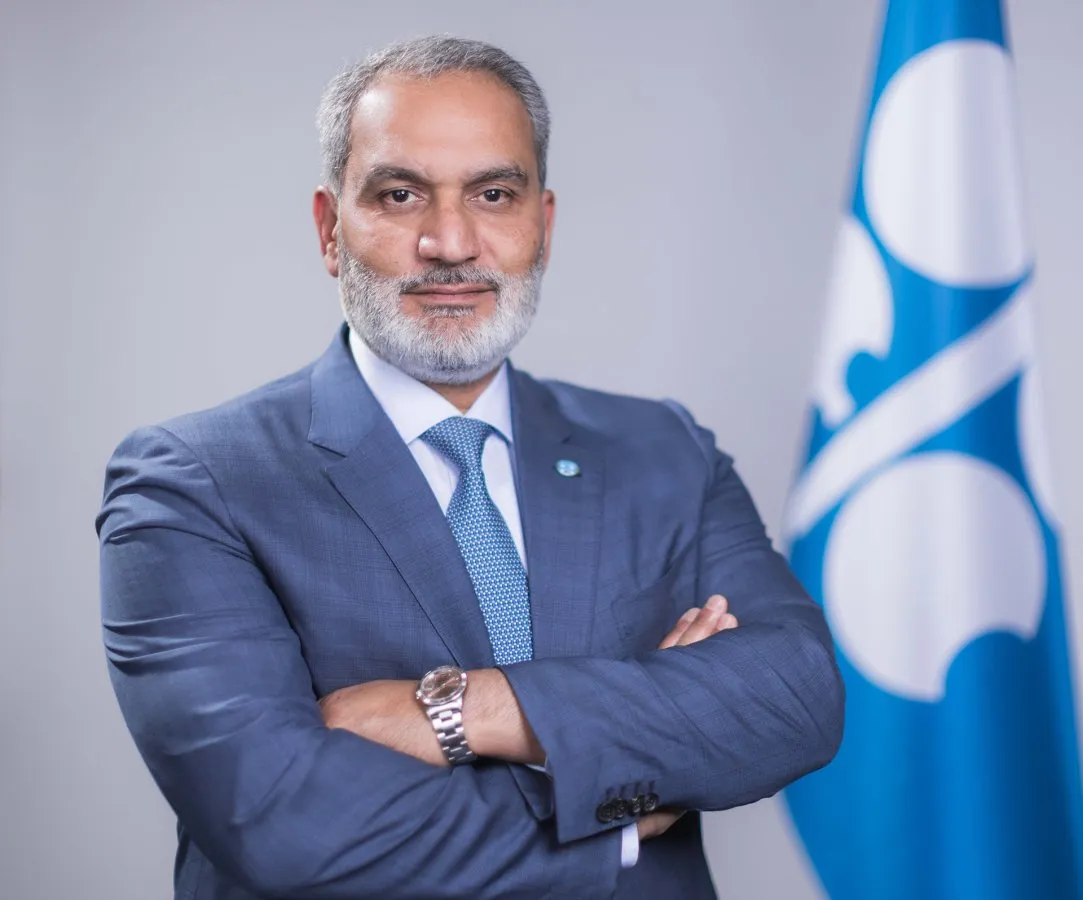
The UAE’s exit from OPEC on May 1, 2026, represents a significant political and economic shift that could redefine its role in the global oil market. This decision comes after years of frustration with OPEC production quotas limiting its output amid ongoing tensions related to the Iran war.
Before the Iran war, the UAE was producing 3.4 million barrels per day (b/d) and accounted for about 12% of total OPEC output. However, disruptions caused by the conflict led to a staggering 27% fall in OPEC’s production in March, exacerbating internal tensions.
The UAE’s current production capacity stands at around 4.85 million b/d, with plans to increase it to 5 million b/d by 2027. This ambition highlights its desire to assert greater control over its oil resources and market strategy.
As events unfolded, discussions regarding the UAE’s departure had been taking place behind closed doors for several years. Analysts suggest this move could further fracture remaining OPEC members and diminish the organization’s overall influence.
Key impacts of the UAE’s exit:
- The UAE is expected to strengthen its relationship with the US.
- UAE-Saudi relations may become strained as both nations navigate their respective interests.
- The exit could alter dynamics within the Gulf Cooperation Council.
Dr. Ebtesam Al-Ketbi noted, “The UAE is redefining its role from a producer within a bloc to a balancing producer that contributes to market stability through its ability to act.” This perspective underscores how the UAE aims to position itself as an independent player in an increasingly volatile market.
This decision also reflects broader geopolitical shifts, particularly regarding how Middle Eastern countries respond to ongoing conflicts like the Iran war. As noted by Will Wechsler, it’s clear why policymakers in the UAE are moving away from OPEC: they seek autonomy in an unpredictable environment.
Ultimately, as the UAE steps away from OPEC, it raises questions about future cooperation among Gulf states and their collective influence over global oil supply. The region must now navigate these complexities without one of its key players.