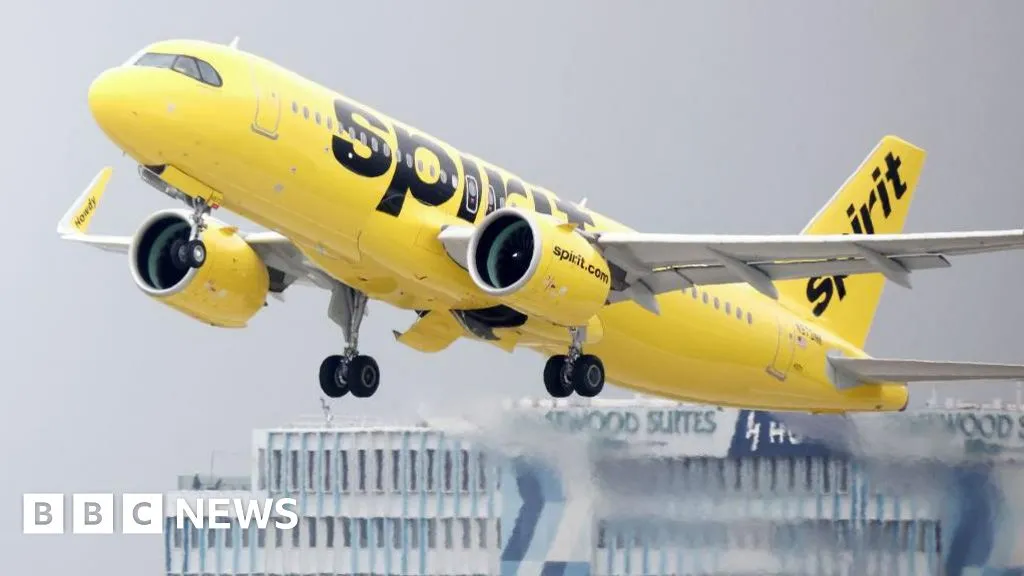
On May 2, 2026, Spirit Airlines abruptly ceased operations due to financial difficulties exacerbated by soaring jet fuel prices. The airline’s failure to secure a government bailout left many passengers stranded and facing uncertainty.
The airline’s collapse is attributed to a doubling of jet fuel prices during the ongoing Iran war. Spirit Airlines had scheduled 4,119 domestic flights between May 1 and May 15, offering a staggering 809,638 seats. Transportation Secretary Sean Duffy warned passengers not to go to the airport, stating, “If you have a flight scheduled with Spirit Airlines, don’t show up at the airport; there will be no one here to assist you.”
This sudden cessation of operations marks a significant moment in the airline industry. Founded in 1983 as Charter One Airlines, Spirit had grown to account for about 5 percent of US flights at one point. Its last flight landed at Dallas Fort Worth International Airport from Detroit Metropolitan Airport.
The Trump administration proposed a $500 million bailout to save the airline, but this effort ultimately failed. A creditor close to the deal remarked, “The Trump administration made an extraordinary effort to try and save Spirit, but you can’t breathe life into a corpse.” This sentiment encapsulates the dire state of the airline.
Passengers are now left grappling with how they will receive refunds for their canceled flights—a situation that remains unclear. Dave Davis from Spirit stated, “We didn’t intentionally sell any tickets thinking we weren’t going to be here,” highlighting the chaotic circumstances surrounding the airline’s operations.
The fallout from this event raises questions about the future of budget airlines in an increasingly volatile market. With rising jet fuel prices and economic pressures on businesses, how many more airlines might face similar fates? The landscape is shifting rapidly.